






 Portuguese
  Spanish
  3 min of reading
  0 comments


In Constant Pursuit of Home Economy, Many Wonder: What Is the Biggest Energy Consumer in the House?
The answer, to the surprise of many, is not in the refrigerator or the washing machine. The real villain of your electricity bill may be something you hardly notice: standby devices.
This “standby” mode of electronics represents a silent yet significant consumption that can raise your monthly expenses. Understanding how to avoid unnecessary consumption is the first step toward a more efficient home and a fuller wallet.
Standby Devices: The Biggest Energy Consumer in the House Is a Silent Thief
The popular belief that the refrigerator or air conditioner is largely responsible for spikes in the electricity bill is mistaken.
-
At 29 years old and tired of the corporate routine, a young man leaves his 11-year career, sells almost all his possessions, buys a sailboat, and sets off from Oregon to Hawaii accompanied only by his cat.

-
Saudi takes his Toyota Hilux 4×4, leaves Riyadh, crosses 23 countries, and drives about 6,000 kilometers for almost three weeks to northern Norway to fulfill the dream of seeing the northern lights.

-
An 84-year-old mother wakes up before midnight in Japan, keeps a family bakery open for 55 years, and sells cheap handmade bread; the shop in Fukuoka produces up to 400 units a day with the help of her son.

-
Tired of seeing her salary disappear with the mortgage, a 24-year-old sells her £125,000 house, buys a van for £13,000, invests £6,000, transforms the vehicle into a home, and decides to live on the roads of Europe.




Surprisingly, the title of biggest energy consumer in the house goes to the sum of small, almost imperceptible costs from standby devices.
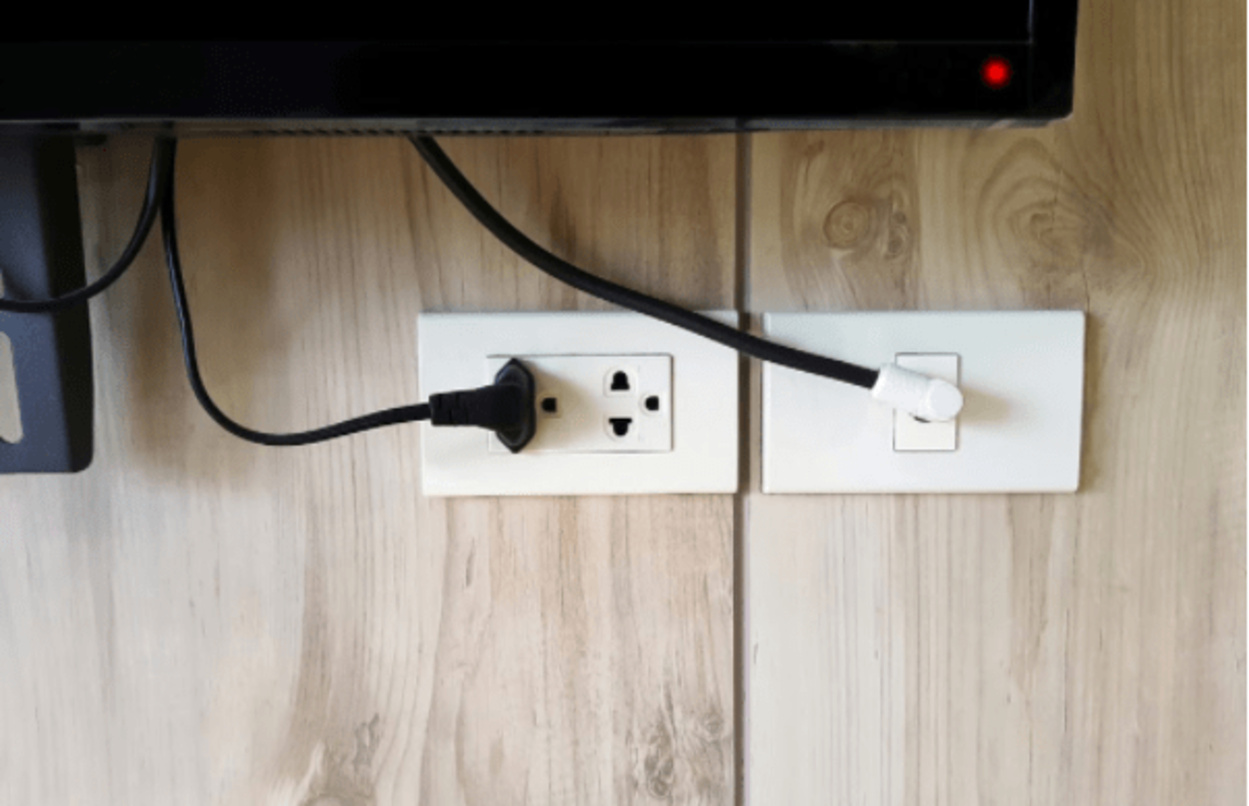
This standby mode, often indicated by a tiny light (LED), keeps the device partially on, ready to be activated quickly, while continuously consuming energy.
This “phantom” or “vampire” consumption is especially deceptive because it is cumulative. Numerous modern electronics, such as televisions, computers, microwaves, phone chargers plugged into the outlet (even without the phone), sound systems, video games, and cable TV decoders, remain in this mode.
Individually, the consumption is minimal, but when added up, these devices represent a considerable share of a household’s total energy consumption by the end of the month. It’s a constant leak that, if unmonitored, can represent an unexpected slice of your budget.
How to Avoid Unnecessary Consumption: Smart Strategies to Save Energy
Having identified the biggest energy consumer in the house, the next step is to take action. Understanding how to avoid unnecessary consumption from standby devices doesn’t require huge investments, just a change in habits and some simple solutions.
Here are some effective strategies to cut this invisible expense:
- Unplugging: The most direct and effective measure. If a device is not in use (especially at night or when you leave home for long periods), unplug it. This ensures no consumption at all.
- Power Strips with Switch: For devices that are nearby, such as those for the TV (television, decoder, soundbar, video game), use a power strip with a switch. When you turn off the strip, all devices connected to it are completely powered down.
- Timers: For devices that you use at specific times, such as an internet router at night, consider using timer plugs. They can be programmed to turn on and off automatically.
- Smart Chargers: Choose phone chargers that stop drawing power from the outlet when the device’s battery is fully charged.
- Turning Off the “Off” Button: Some devices have a physical “on/off” button, in addition to the remote control. Always prefer to turn off the device using this button, which usually cuts power completely, rather than just putting it in standby.
- Awareness in Use: Develop the habit of observing which devices are unnecessarily left on. Often, the solution is simply in paying attention and daily discipline.
Implementing these small changes in daily life is essential for how to avoid unnecessary consumption and positively impact your electricity bill.
The Benefits of Eliminating Phantom Consumption
Reducing the impact of standby devices goes beyond financial savings.
By decreasing energy consumption, you also contribute to sustainability and reduce demand on electrical grids, which is beneficial for the environment and the system as a whole.
Awareness of what the biggest energy consumer in the house is empowers consumers to make smarter decisions and have greater control over their expenses. Small actions, when added up, lead to great results.
Start today by disconnecting the “vampires” in your home and feel the difference in your electricity bill.


Be the first to react!