






 Portuguese
  Spanish
  5 min of reading
  0 comments


Long before the heater, the ancestors of the Kaingang had a solution for the extreme cold of the plateau: digging the house deep into the ground. These underground houses used the soil as thermal insulation against frost. Now, with the strongest cold wave of the year over the South, archaeology shows hundreds of their traces in Santa Catarina.
Southern Brazil has entered the coldest week of the year. According to Clima ao Vivo, a strong polar air mass is advancing over the region between June 22 and 26, 2026, in the first major cold wave of winter, with the possibility of snow in the mountains of Santa Catarina and Rio Grande do Sul and widespread frost in the following mornings. It’s the kind of cold that makes anyone run for the blanket.
Well, long before there were heaters, fireplaces, or thermal coats, the peoples who lived on this same cold plateau already had an ingenious answer to the problem. The ancestors of the Kaingang did not fight the cold on the surface; they went below it. They dug underground houses, using the earth itself as insulation, and it is precisely in Santa Catarina that archaeology today finds the traces of this ancient wisdom, right beneath the ground that now wakes up covered in frost.
The cold now is the same as millennia ago
According to Clima ao Vivo, the center of the polar mass passes through the southern region between June 24 and 26, precisely the period of greatest risk of widespread frost, before the cold air begins to leave Brazil. These are the Campos de Cima da Serra and the Santa Catarina plateau, elevated areas where winter has always hit harder.
-
Federal Police involved in the case to identify the person responsible for hacking the Civil Defense system, which sent ten false alerts, frightened residents of different capitals, and turned messages about real risks into notifications with “misanthropy” and even alien attacks.

-
Extreme drought causes ghost village to reappear at the bottom of the reservoir that supplies Athens, revealing houses, a school, and ruins swallowed since the 1980s as the lake shrinks and exposes the water crisis threatening the capital of Greece.

-
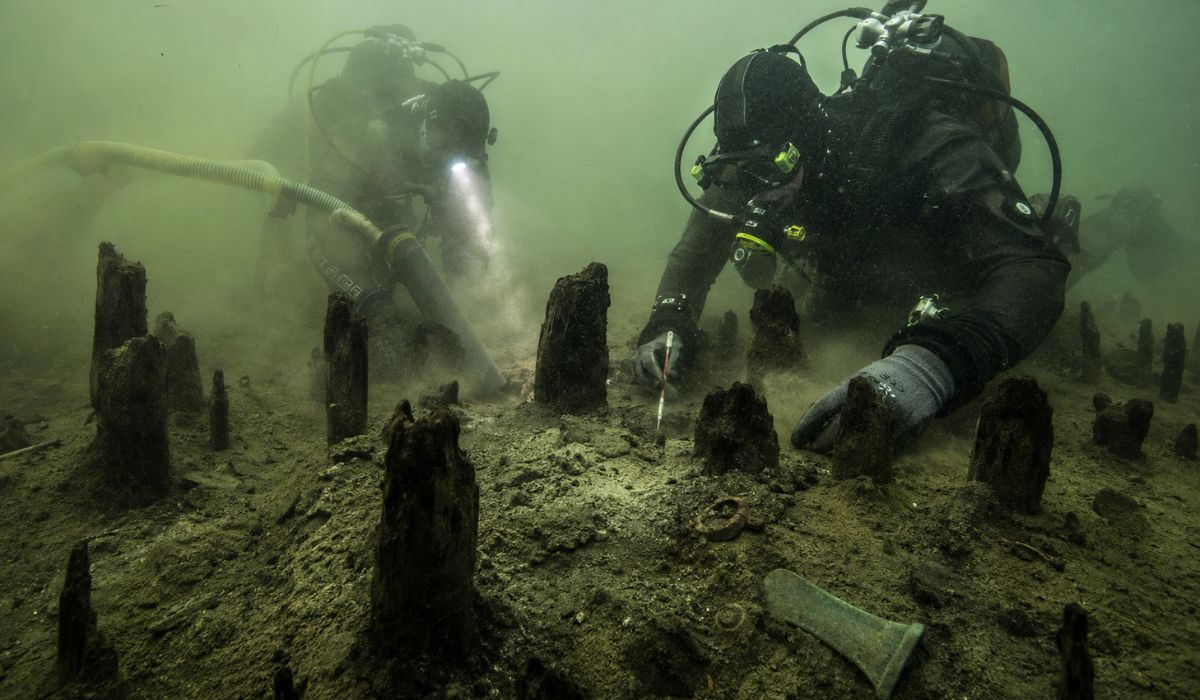
An entire village lay asleep at the bottom of a lake for 3,000 years: divers suction sediments in Italy and reveal more than 600 wooden stakes, bronze tools, and traces of a Bronze Age settlement hidden underwater.
-
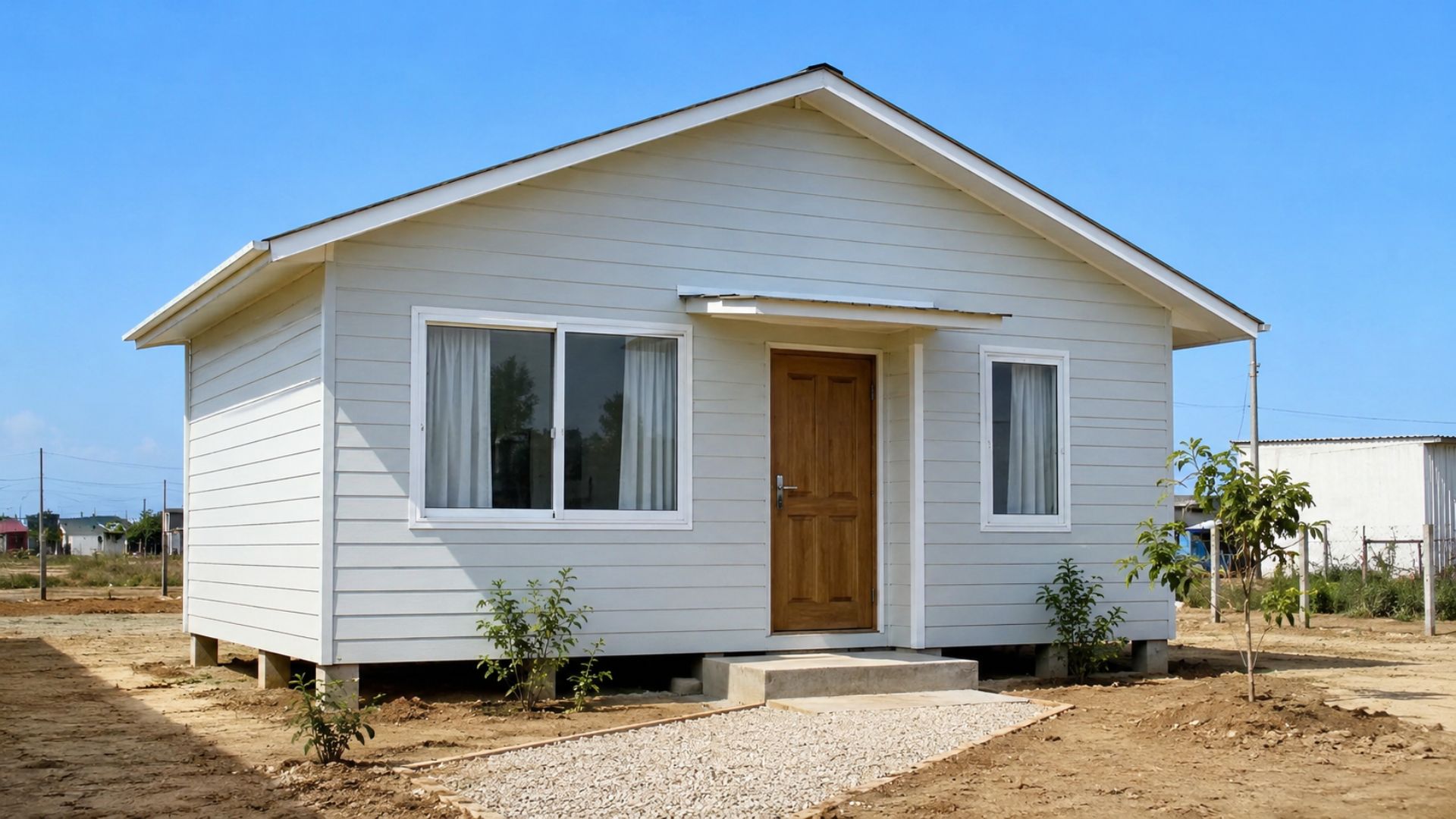
They call it the “Shopee house” and even cardboard, but the R$ 20,000 house is a certified Wood Frame from Alea, financed by Minha Casa Minha Vida: understand if it’s worth more than masonry.


It was exactly this scenario that shaped the lives of the ancient peoples of the region. The high regions of the southern plateau are cut by icy winds and punished by harsh winters, and those who lived there thousands of years ago needed a strategy to avoid freezing to death. The solution did not come from imported technology; it came from observing nature: the earth, a few meters below the surface, maintains a much more stable temperature than the air outside.
It is this continuity that makes the story so interesting for those who are shivering with cold now. The same frost that archaeology associates with the ancient subterranean houses falls again, punctually, over Santa Catarina, as if the past and present shared the same thermometer.
Ancestral engineering: the earth as a natural heater
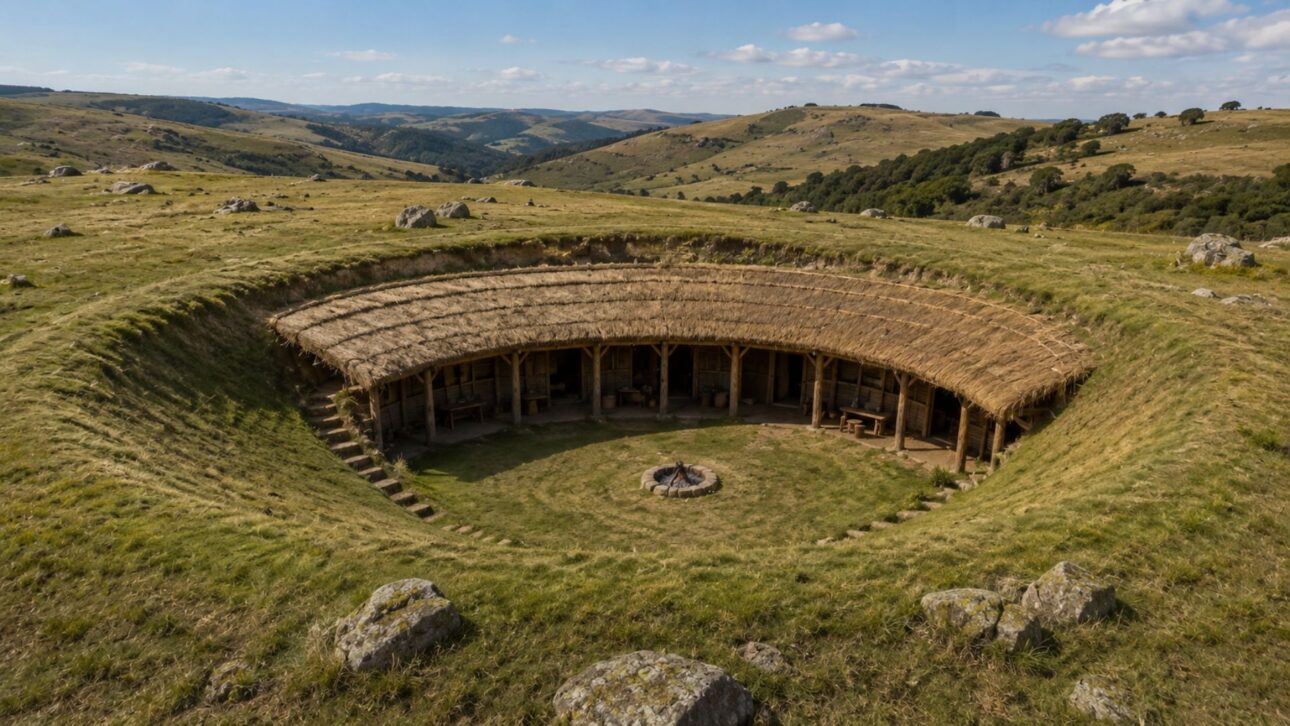
The insight of the ancient inhabitants of the plateau was to transform the soil into thermal insulation. Instead of building walls against the wind, they dug the house into the ground, several meters below the surface level, so that the surrounding earth would block the cold air and retain the heat. Below, the plateau’s cold lost much of its strength.
Above the dug-out pit, a cover was erected. The wooden structure supported a roof of straw and leaves that protected from rain and wind, while an internal fire warmed the environment, with small ventilation openings for the smoke to escape without letting the heat out. It was, in practice, a semi-buried house designed for thermal comfort, centuries before anyone spoke of energy efficiency.
And they were not improvised shelters for a season. According to a report from the Jornal da USP, archaeological research shows that these subterranean houses were occupied for generations, over about two centuries each, with periodic renovations of the clay floor. In other words, they were long-lasting homes, not temporary burrows.
Who were the “People of the Subterranean Houses”
Behind these constructions are the so-called Proto-Jê peoples of Southern Brazil. According to the Jornal da USP, they are identified by a shared material culture, the Taquara-Itararé tradition, which includes ceramics, worked stone, and rock art, and are recognized as ancestors of the current Southern Jê groups, the Kaingang and the Xokleng. It is not loose folklore; it is a lineage that reaches today’s indigenous peoples.
These groups occupied the southern plateau for an impressive time, spreading their semi-buried villages across the araucaria landscape. The pine forest, by the way, was the preferred environment of these peoples, and the archaeological sites linked to them appear from the interior of São Paulo to Rio Grande do Sul, always associated with this high-altitude and cold scenario.
The image that archaeology creates is of a society adapted to the extreme. While history often portrays indigenous Brazil only in a tropical light, the Kaingang and their ancestors show another Brazil, of people who faced snow and frost and responded to it with a housing solution as simple as it is effective.
Hundreds hidden in the plateau of Santa Catarina
The most surprising thing is how many of these marks remain there, waiting for those who know how to look. Archaeologists have already recorded hundreds of circular depressions in the terrain of the southern plateau, each one the vestige of an ancient subterranean house, and a good part of them is in Santa Catarina. Those who pass through a high-altitude field may be walking, unknowingly, over a millennial village.
The mapping work has a name and institution. According to the Jornal da USP, archaeologist Rafael Corteletti, from the Museum of Archaeology and Ethnology of USP, and researcher Jonas Gregorio de Souza, from the University of Exeter, are among those who reconstructed the trajectory of these peoples, in studies that covered about 200 square kilometers in four research fronts in the state, including the region of Urubici and Campo Belo do Sul, in the highlands of Santa Catarina.
In the end, the lesson transcends time. In a week when the South wraps itself in blankets because of the cold wave, it is worth remembering that the response of the ancient inhabitants of Santa Catarina to the same problem, using the earth as an insulator, is practically a manual of bioconstruction that modern engineering is rediscovering now, in buried houses and green roofs.
The cold wave freezing the South this week is a living reminder of an ancient problem, and of a brilliant solution that remained buried, literally, in the plateau of Santa Catarina. The ancestors of the Kaingang did not have heaters, but they had the earth, and with it, they built subterranean houses that archaeology still finds by the hundreds.
And you, would you live in a buried house to escape extreme cold, or do you think this wisdom of ancient peoples is a thing of the past? Share your thoughts in the comments.





Be the first to react!