






 Portuguese
  Spanish
  5 min of reading
  0 comments


Small Holes in Electrical Plugs Have Essential Functions for Safety, Economy, and Standardization, Being Part of an Engineering Designed to Protect People and Equipment in Different Domestic and Industrial Environments.
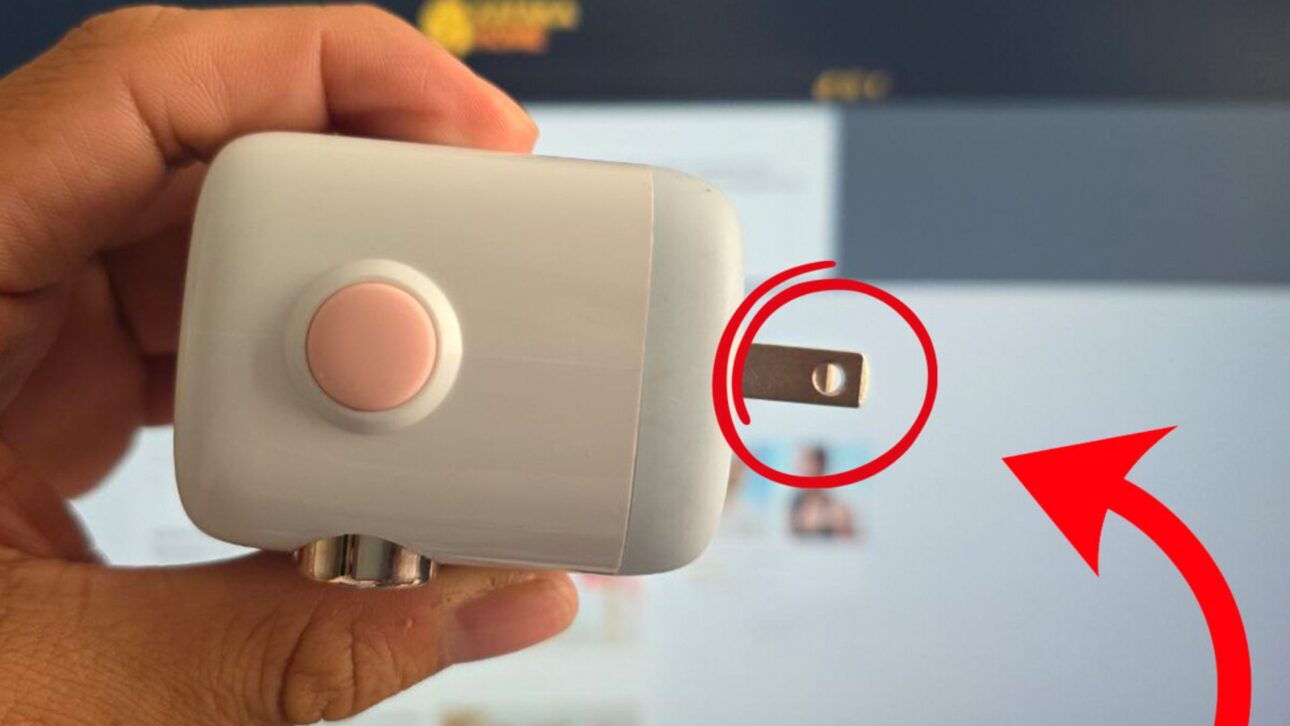
It is common to notice small holes near the end of the pins in electrical plugs and hardly even notice their presence in daily life.
Despite being discreet, these details are part of a carefully designed technical project that even sparks curiosity among electricity specialists.
The presence of these holes is not just a design quirk but serves specific functions aimed at the safety, economy, and standardization of electrical devices, especially in the plugs adopted in countries on the American continent.
-
Cleaning lady lived with three children in a 24 m² house in Jardim Colombo until a project in São Paulo transformed the property in 50 days and paved the way for a new profession

-
A 10-year-old girl in Manaus created a styrofoam buoy with a sensor to detect trash in streams, became the sole representative from Latin America in an international challenge in London, and turned the pollution she saw near her home into a sustainable invention.

-
It was neither a crash nor abandonment; this retired plane left the airport in parts, crossed Costa Rica on trucks, and ended up becoming a suite in the heights with daily rates exceeding R$ 2,000.

-
She panicked when she saw her daughter fall from the crib; years later, she turned the experience into a factory generating R$ 9 million per year.





Standards and the Importance of NEMA
Before discussing the exact reason for the existence of these holes, it is essential to understand how plug and socket standards work in North America.
In the United States, Canada, and Mexico, plugs follow standards established by the National Electrical Manufacturers Association (NEMA).
The NEMA system organizes and regulates various types of plugs, ensuring that electrical equipment operates safely and compatibly, in addition to preventing accidents and allowing electronic products to be marketed on a large scale.
The most common classification includes Type A plugs (NEMA 1-15), which consist of two flat parallel pins without grounding, and Type B plugs (NEMA 5-15), which add a third round pin for grounding, positioned above the two main pins.
Both are widely used in homes, offices, and commercial establishments, reflecting the concern for electrical safety since the early 20th century.
What Are the Holes in Plug Pins For
The functionality of the holes in electrical plug pins goes far beyond aesthetics.
According to NEMA specialists and electrical materials manufacturers, these openings serve at least three essential functions:
- Enhanced Retention and Security
The main purpose of the holes is to allow greater retention of the plug inside the socket. Internally, many sockets have small latches or springs that fit into these holes, ensuring that the plug remains secure during use.
This feature reduces the risk of the plug accidentally coming loose, which could cause sparks, short circuits, or even electric shocks, protecting both the equipment and the user.
Electrical safety is one of the pillars of developing standards like NEMA.
- A More Stable Electrical Connection
The holes contribute to a more efficient connection between the plug and the socket.
When the plug is inserted, the internal parts of the socket can engage with the holes, increasing the contact area and reducing potential slack.
This ensures better energy transfer and a lower risk of overheating, a recurring issue in old or poorly designed installations.
- Economy and Practicality for Industry
Another relevant aspect relates to the manufacturing of plugs. By including the holes in the pins, there is a slight savings in metallic material, which can be advantageous on a large scale.
Although the individual savings are minimal, in millions of units produced annually, the cost reduction and resource utilization become significant.
For manufacturers, this solution combines practicality with a reduction in environmental impact, even if subtly.
- Compatibility with Safety Accessories
The holes in plugs also facilitate the use of locking accessories, often employed in industrial or laboratory environments.
Special devices can be attached to the holes to prevent unauthorized or accidental use of certain electrical equipment.
These mechanisms are adopted to ensure safety during maintenance or technical procedures, avoiding accidental energization and workplace accidents.
What Would Happen If the Holes in the Pins Did Not Exist
The absence of these holes would compromise several layers of safety and practicality in the daily use of electrical devices.
Without the openings, the fixation of the plug in the socket would be weaker, increasing the risk of sudden disconnection and possible electrical incidents.
Additionally, compatibility with locking accessories, essential in industrial settings, would be lost.
The savings in material and the manufacturing standard would also be impacted, possibly leading to cost increases for the industry.
Differences Between Plug Standards Around the World
Interestingly, not all global standards adopt the holes in plug pins.
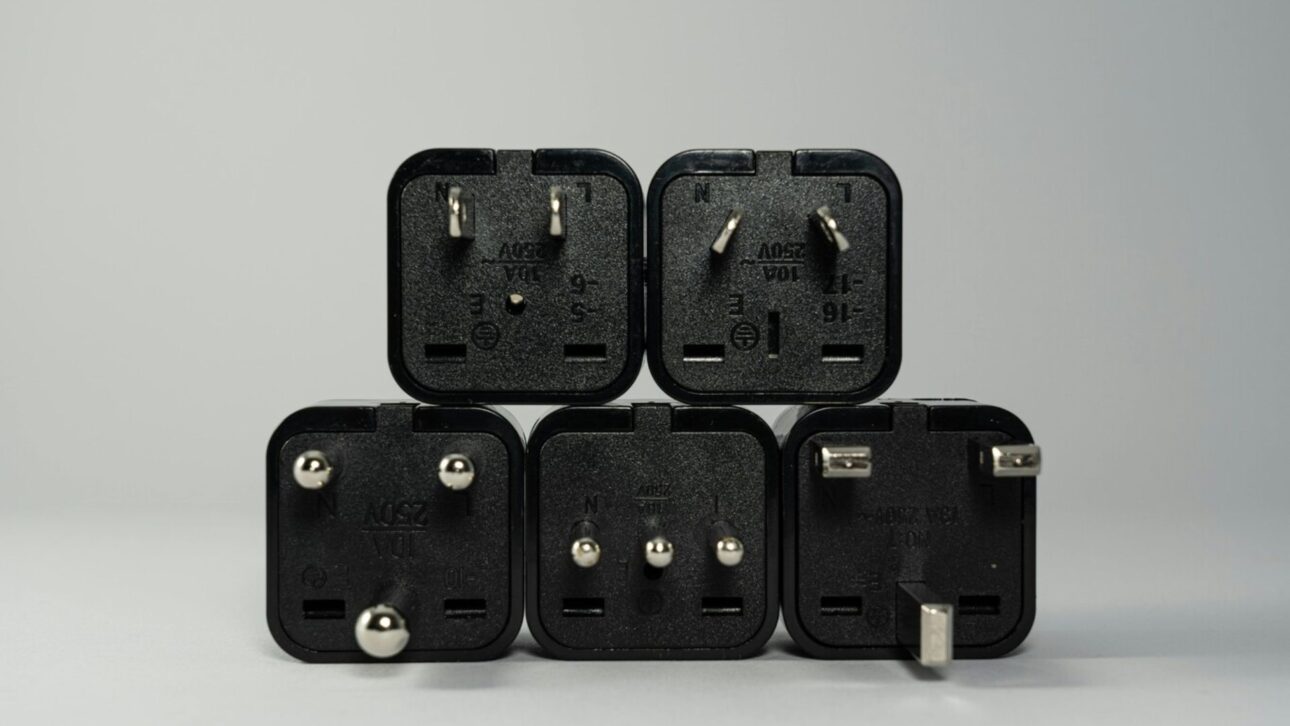
In Brazil, for example, the technical standard NBR 14136, regulated by the Brazilian Association of Technical Standards (ABNT), defines a plug model with three rounded pins, without holes, but with similar attention to safety and grounding.
In other countries, such as the United Kingdom and Australia, plugs with distinct shapes and different protection methods are adopted.
Why Standardization and Safety Are Essential?
The use of standards defined by entities like NEMA is crucial for user safety and equipment integrity.
Standardized plugs ensure that devices are compatible with each other, minimizing the risk of domestic or industrial accidents.
Recent data from the U.S. Consumer Product Safety Commission indicate that thousands of domestic electrical accidents still occur every year, most associated with old installations, improper use of adapters, and failures in out-of-standard devices.
Curiosities About Holes in Electrical Plugs
Despite the widespread use of NEMA plugs with holes, many consumers are unaware of the technical reasons for this detail.
The design of American plugs influenced socket standards in other countries, including Japan, which adopts similar models.
The evolution of standards around the world is the result of decades of adjustments to improve efficiency, reduce risks, and adapt to new technological needs, such as high-power chargers or smart devices.






Be the first to react!