






 Portuguese
  Spanish
  3 min of reading
  0 comments


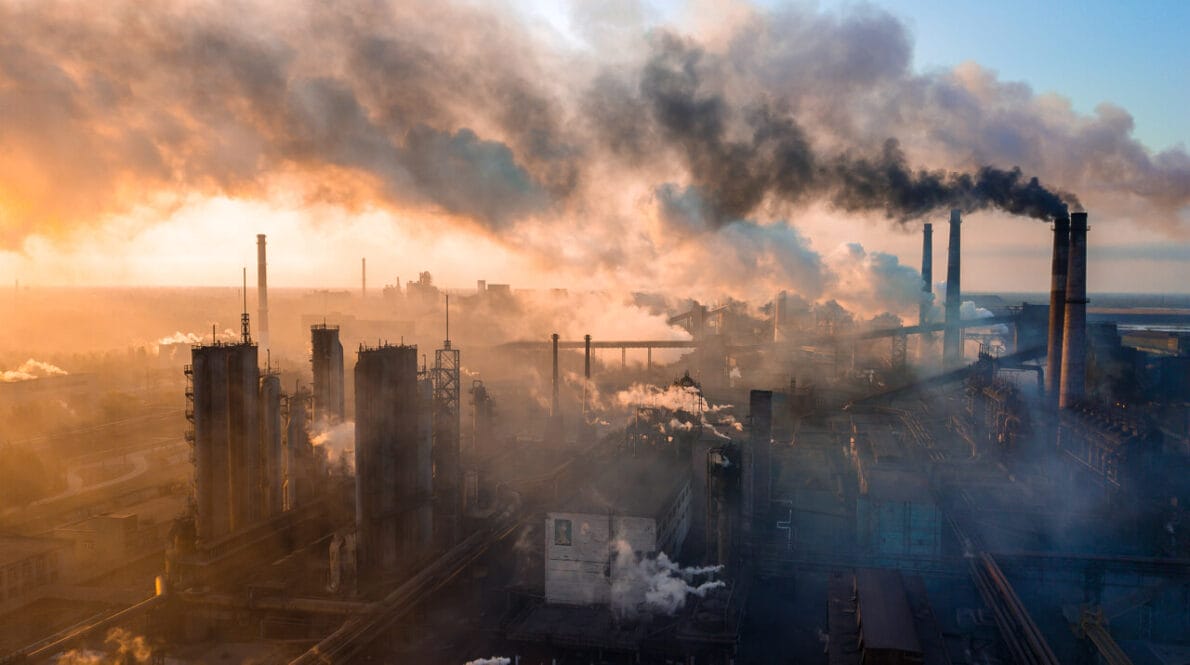
Discover How the World Fails to Reach the Sustainability Goal for 2030 and in the Fight Against Methane Contamination. Urgent Actions Are Needed for a Better Future
The main goal of sustainability on a global scale is to eliminate once and for all one of the main causes of the greenhouse effect and, consequently, global warming. However, the plan to eradicate the severe contamination caused by methane gas emissions has proven to be more difficult than expected.
As we move towards this crucial goal, we face a series of multifaceted challenges.
A Major Goal to Mitigate Contamination from Pollutant Emissions.
These conflicts range from resistance from certain industries to the complexity of coordinating actions on an international scale; the path to a more sustainable world is fraught with obstacles, especially when we talk about the economic sphere. Furthermore, the need to find innovative and viable solutions becomes increasingly urgent.
-
Helicopter Drops 180 Tons of Sand and Gravel on Swedish River to Revive Ecosystem Damaged by Decades of Exploitation

-
Brazilian Company Launches Retro Smartphone with 48 MP Camera, T9 Keyboard, and Privacy Features for Social Media-Free Use

-
Self-Taught Chinese Farmer Builds 5-Ton Submarine from Scrap, Launches It in Anhui River
-
Invisible Induction Technology Enables Wireless Power for Blenders, Coffee Makers, and Air Fryers, Reducing Countertop Cables





It is evident that addressing methane emissions is a fundamental step towards a more sustainable future and in line with international climate goals, and despite constant efforts and projects implemented across various industrial and energy sectors, this ambitious goal will not be achieved by 2030.
An Alarmingly Research: These Are the High Numbers That Put Sustainability at Risk
A recently published analysis by the International Energy Agency (IEA) highlights the critical importance of fully implementing existing commitments to reduce methane emissions. This report reveals that if this goal is achieved, significant advances could be made in the fight against climate change, although it would not be enough to cover all the emission cuts needed to limit global warming to 1.5 °C this decade.
In 2023, methane emissions from the energy sector remained stable, reaching levels close to historical highs. However, a recent study by the International Energy Agency (IEA) reveals that the implementation of significant policies and regulations announced in recent months, as well as new promises emerging from the COP28 climate summit in Dubai, have the potential to generate a rapid decrease in these emissions.
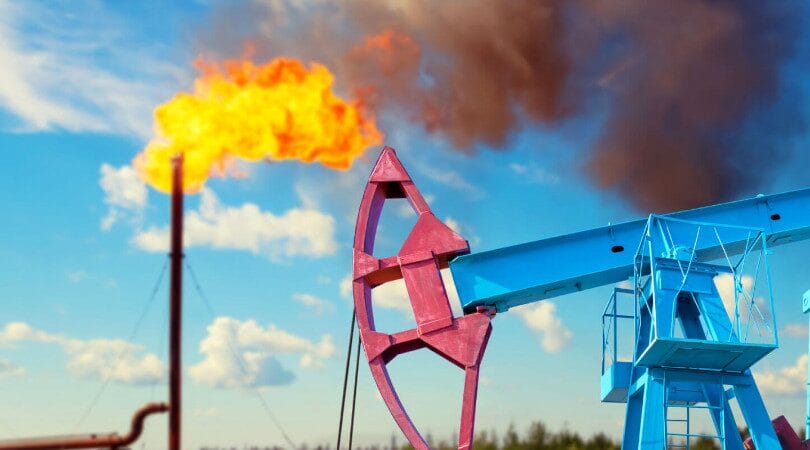
The latest study by the International Energy Agency (IEA) reveals that during 2023, the production and use of fossil fuels resulted in the generation of approximately 120 million tons of methane emissions, representing a slight increase compared to the previous year. Furthermore, it was found that another 10 million tons of methane emissions came from bioenergy, mainly due to the traditional use of biomass for daily activities such as cooking.
In 2023, the top ten emitting countries were responsible for approximately 80 million tons of methane emissions derived from fossil fuels, accounting for two-thirds of the global total. This figure, in particular, underscores the significant contribution of these countries to the global methane emissions problem and highlights the need for them to adopt decisive measures to address this issue.
The Cost of Sustainability: An Analysis of the Investments Needed to Reduce Methane Emission Contamination.
Beyond being an environmental concern, the major goal of reducing methane emissions also proves to be highly cost-effective. According to a recent analysis by the IEA, around 40% of the methane emissions stemming from fossil fuel-related operations in 2023 could have been avoided at no net cost. This is because the value of captured methane outweighed the cost of the necessary reduction measures.
To achieve the major goal of a 75% reduction in methane emissions from fossil fuels by 2030, it is estimated that an investment of around $170 billion would be necessary. However, this expenditure would represent less than 5% of the revenues generated by the fossil fuel industry in the same year.





Be the first to react!