Portuguese
  Spanish


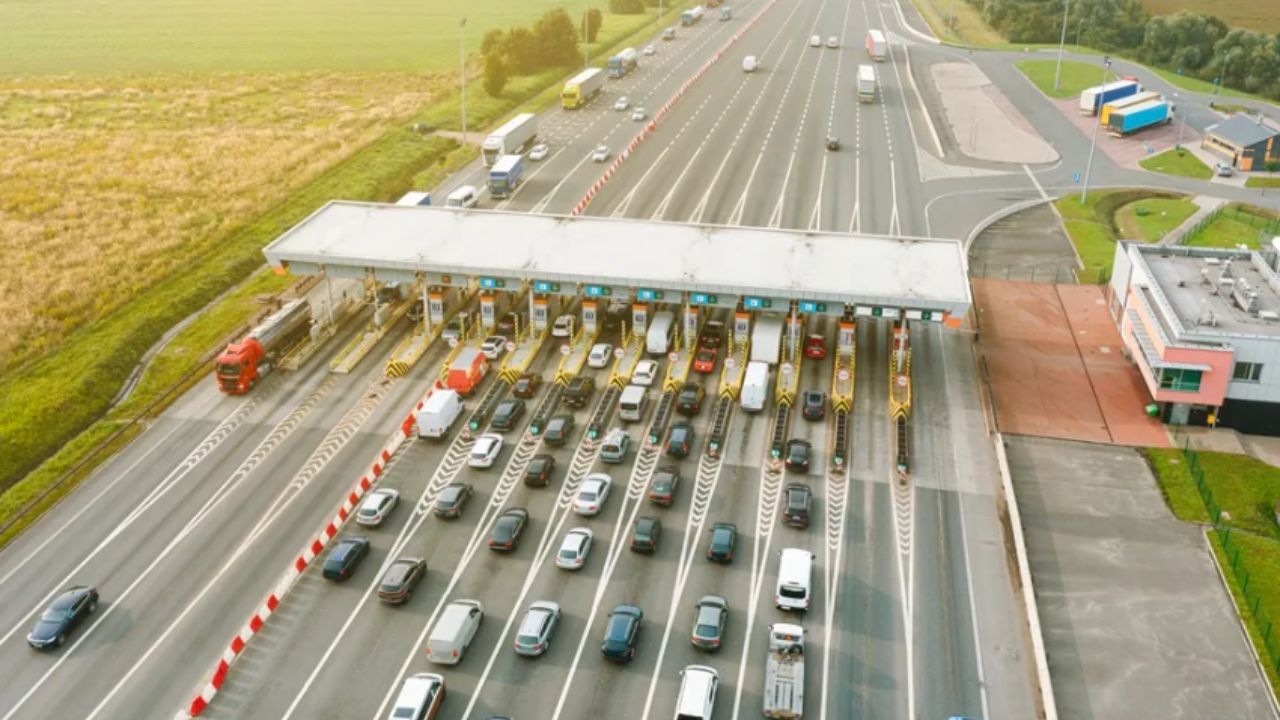

The Toll Collection Model Without Stops Advances on Brazilian Roads, Bringing Modernity but Also Questions. Learn How It Works, the Payment Methods, and Tips to Avoid Unpleasant Surprises.
The new toll system “Free Flow” has arrived on Brazil’s highways, eliminating traditional toll booths with barriers. This technology allows vehicles to pass through smart portals without needing to stop or slow down. While it promises more fluidity and comfort, many drivers still have questions about how to make payments and, primarily, how to avoid fines. This comprehensive guide will help you understand everything about this innovation.
What Is the New Free Flow Toll System and How Does It Work?
The Free Flow is a silent revolution on the roads. It modernizes the collection of fees, dispensing with stops and booths.
In the new Free Flow toll system, portals with advanced technology are installed over the highway. These portals identify vehicles in motion. Sensors and cameras detect passing vehicles and capture images of their license plates. Antennas communicate with electronic tags installed on windshields. If the vehicle does not have a tag or it is not detected, the system uses Optical Character Recognition (OCR) to read the plate. The system also classifies the vehicle by category to apply the correct fee. The first implementation in Brazil took place on BR-101/RJ.
-
Black Granite Sarcophagus Found in Alexandria Reveals Three Skeletons, Strange Liquid, and an Ongoing Archaeological Mystery in Egypt

-
Childhood Psychology: Experts Highlight How Playing Outdoors Until Dusk Boosted Autonomy, Decision-Making, and Resilience in Previous Generations, Influencing Adult Behavior Today
-
Former Truck Driver from Brazil Builds Logistics Company Aiming for $70 Million Revenue with 11 Branches, 700 Monthly Clients, and $10 Million Fleet Investment

-
World’s First Plasma Dress Turns Fashion Show into Scientific Spectacle with Controlled Electric Discharges and Ionized Gases in Iris Van Herpen’s Groundbreaking Tech-Fashion Creation





Benefits of the New Toll System for Drivers and Traffic

The adoption of Free Flow aims to improve traffic fluidity and reduce travel time. For drivers, the main benefit is not having to face queues at toll booths. This means less fuel consumption and more comfort. For concessionaires, operational costs can be up to 70% lower. The environment also benefits. The elimination of stops and starts reduces CO2 and other pollutants emissions.
How to Pay the New Toll System: Options and Deadlines
There are two main ways to pay the toll in the Free Flow system: with electronic tags or through active payment after passing.
Electronic tags are adhesive devices attached to the windshield. They are the most practical method. When passing through the portal, the system identifies the tag and deducts the amount from the linked account. Companies like Sem Parar, ConectCar, and Veloe offer the service. The use of tags often entitles users to discounts. There may be a Basic Tag Discount (DBT) and a Frequent User Discount (DUF). CCR RioSP, for example, offers a 5% DBT and progressive discounts of up to 70% with the DUF.
No Tag? Learn How and Where to Pay Your Toll on Time
If the vehicle does not have a tag, the plate is read by the OCR system. The driver should look for payment channels. The passage is usually available for payment within 48 hours. Channels include concessionaire apps and websites, where payment can be made via Pix or credit card. Some concessionaires offer inquiry and payment via WhatsApp. There are also self-service kiosks and accredited physical points. The payment deadline is crucial: usually 30 calendar days after passage. Previously, the deadline was 15 days in some concessions.
Fines in the New Toll System: Stay Alert to Avoid Penalties
Failure to comply with the payment rules of the new toll system can result in penalties.
Failing to pay the Free Flow fee on time constitutes a traffic violation. This is stated in Article 209-A of the Brazilian Traffic Code (CTB). This is a serious violation. The fine is R$ 195.23. Additionally, 5 points are added to the National Driver’s License (CNH). There are also late fees on the original unpaid toll amount.
Paying the Fine Does Not Eliminate the Toll Debt
A very important point: paying the traffic fine does not settle the toll debt with the concessionaire. They are two different obligations. The fine is a penalty from the traffic authority (ANTT on federal highways, DAER on some state highways). The fee is the amount for using the highway. If the fee is not paid to the concessionaire, the debt remains. The concessionaire can register the owner’s CPF with credit protection agencies, such as Serasa and SPC.
Essential Tips for Using the New Toll System Without Errors
Some practices help to use Free Flow smoothly.
The OCR technology depends on the readability of the license plate. Keep the plate clean, in good condition, and free from obstructions. Registering the vehicle on the concessionaires’ apps or websites is advisable, especially without a tag. This allows for alerts about pending fees and consultation of the history. In some cases, registration may provide access to discounts.
Check for pending debts on the apps and websites of the concessionaires. It’s possible to inquire with registration or, on some platforms, anonymously by license plate. Be aware of scams. Concessionaires like CSG claim not to send bills via email or postal mail. Be skeptical of unsolicited communications. In case of recognition failures or undue charges, contact the concessionaire’s customer service.
Where to Find the New Toll System and What to Expect for the Future

The Free Flow is gradually expanding throughout Brazil.
Rio de Janeiro was a pioneer in federal highways, on BR-101 (Rio-Santos), with portals in Itaguaí, Mangaratiba, and Paraty. In Rio Grande do Sul, it operates on state highways like ERS-122, ERS-446, and ERS-240, managed by CSG. In São Paulo, there are predictions for Presidente Dutra Highway (BR-116), Washington Luís (SP-310), North Ring Road, and others, many set for 2025. In Minas Gerais, it is planned for the Belo Horizonte Ring Road. In Santa Catarina, installation was “in progress” or “in testing phase” on BR-101, BR-470, and BR-280 (status as of June 2025, according to source).
Gradual expansion of the new toll system to more highways is expected. The National Agency for Land Transport (ANTT) regulates and oversees the system on federal highways. Technological improvements should increase accuracy and may allow for more sophisticated fee models in the future, such as charging by kilometers traveled. ANTT aims to standardize user experience and ensure the application of lessons learned from pilot projects.
With information and attention, drivers can enjoy the benefits of the new Free Flow toll system, traveling with more agility and safety on Brazilian roads.