






 Portuguese
  Spanish
  4 min of reading
  1 comment


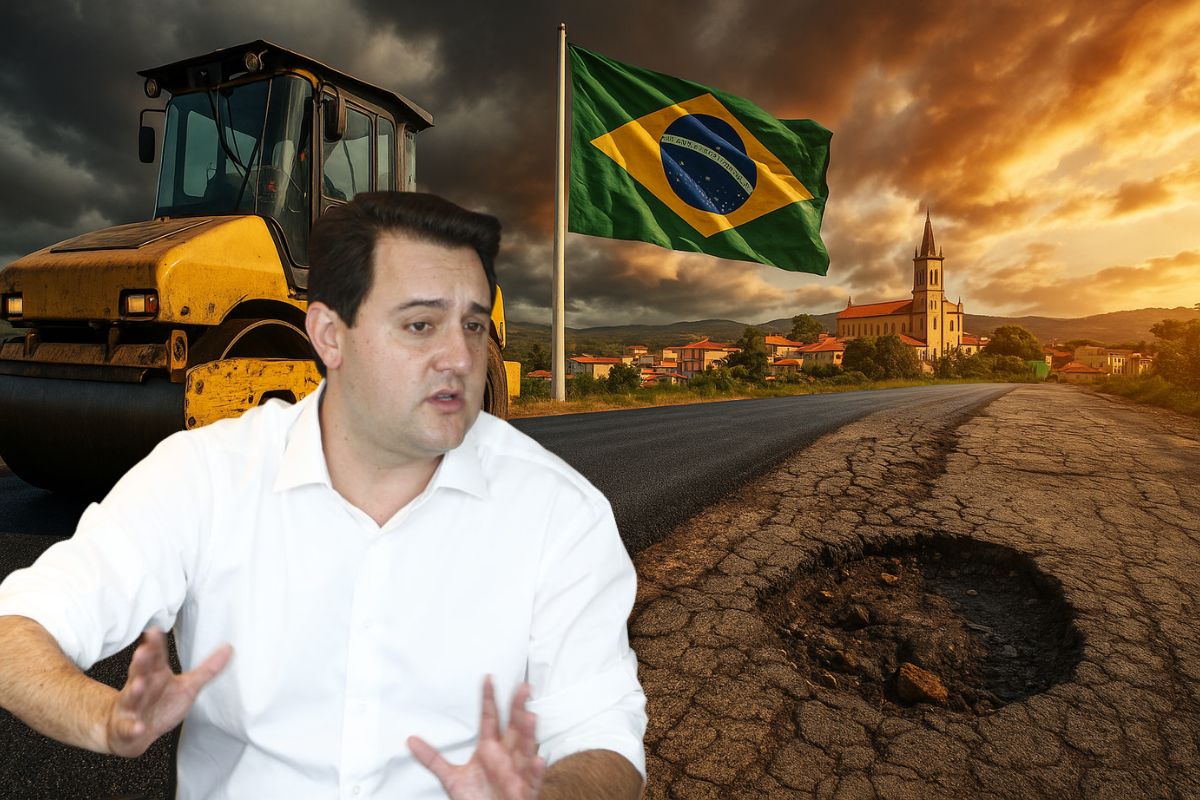


Paraná Government Launches Asfaltômetro After Paving 1.7 Thousand KM of Streets Since 2019; Goal Is to Pave 100% of Urban Areas by Project’s End.
The New Asphalt, New Life program is cited by the Paraná government as the largest urbanization plan in South America. Since 2019, R$ 5.4 billion have been invested to pave approximately 1.7 thousand kilometers of streets in 375 municipalities. Despite the impressive numbers, the state Executive acknowledges that an additional R$ 4 billion will be necessary to achieve the goal of paving all cities in the state.
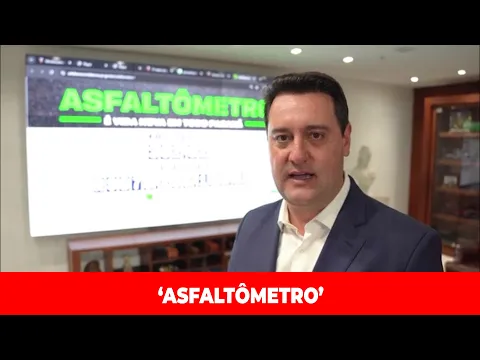
On Tuesday (2/9), Governor Carlos Massa Ratinho Junior officially presented the Asfaltômetro, a transparency tool that allows real-time monitoring of the progress of the works.
The resource functions as a public dashboard, showing the completed kilometers, funds applied, and municipalities that have achieved 100% asphalt coverage.
-
Brazilian Joins Homeownership Consortium, Faces Decade of Dual Payments Totaling $141,000, Surpassing Traditional Mortgage

-
Land Rover to Halt Production in July, Putting 371 Jobs at Risk, as Chinese Automaker Negotiates to Convert Factory to 100,000 Vehicles Annually by 2027

-
Mexican Pest Threatens U.S. Cattle Herds at Historic Lows, Potentially Boosting Brazilian Beef Exports as Burger Prices Soar

-
Brazilian Freight Bill Progresses in Congress with $5,000 Minimum Wage, 70% Advance Payment, and Fines Up to $1 Million, as Agriculture and Industry Warn of Rising Costs and Legal Uncertainty


How Does the Asfaltômetro Work?

Inspired by models like the “Impostômetro”, the Asfaltômetro aims to show how the money collected in taxes returns to society in the form of infrastructure.
The data can be accessed online or at kiosks installed in Curitiba, such as at the State Secretary of Cities and in the downtown area.
With this tool, the population can oversee the use of funds, check the status of their municipality, and demand greater efficiency in the execution of the works.
According to the government, the idea is to turn transparency into a practical instrument for monitoring and citizen participation.
What Has Already Been Done by the New Asphalt, New Life Program?
Since the program started in 2019, more than 3.5 thousand streets have been paved throughout the state.
To illustrate the extent, the government compares the 1.7 thousand km already paved to the equivalent of 553 times the Guaratuba Bridge.
So far, 16 cities have achieved 100% paving in their urban areas, while others are still under construction.
In addition to paving, the program includes stormwater galleries, LED lighting, and sidewalk construction, aiming to ensure complete infrastructure and reduce inequalities between central regions and peripheral neighborhoods.
How Much More Is Needed to Meet the Goal?

The initial plan estimates total investments of approximately R$ 9.4 billion.
With R$ 5.4 billion already spent, there are still R$ 4 billion needed for completion, a sum that should primarily be allocated to large cities and their outskirts.
However, the timeline does not have a fixed deadline. It depends on factors such as the release of funds and logistical conditions for execution.
Nevertheless, the government insists that the final goal is to pave 100% of the urban areas of the 399 municipalities in Paraná.
What Are the Social and Economic Impacts?
According to the State Secretary of Cities, Guto Silva, the New Asphalt, New Life program is not limited to urban aesthetics.
The expected impacts include real estate appreciation, improved mobility, reduced dust, and decreased rates of respiratory diseases in areas that previously had dirt roads.
The secretary states that the program also promotes social justice by prioritizing peripheral regions and areas historically neglected in urbanization policies.
“The goal is to balance urban development, ensuring that all families have access to basic infrastructure,” he said.
Transparency and Societal Oversight
The Asfaltômetro emerges as a response to the demand for greater clarity in the application of public funds.
For residents of cities still awaiting paving, the tool becomes a direct instrument for oversight and accountability, strengthening the trust between the government and the population.
Experts highlight that initiatives of this nature help increase social engagement, as citizens can clearly follow each step of execution and question potential delays.
The New Asphalt, New Life program has already mobilized billions and transformed thousands of streets since 2019, but still has a long way to go to fulfill the promise of 100% urban paving.
With the Asfaltômetro, the government seeks not only to execute the works but also to provide real-time accountability.
What do you think? Does the Asfaltômetro truly ensure greater transparency and participation from the population? Or do you believe that accelerating the completion of the works is more important? Share your opinion in the comments — we want to hear from those who experience this reality up close.





Cadê o Asfalto da estrada de Guaraqueçaba???