






 Portuguese
  Spanish


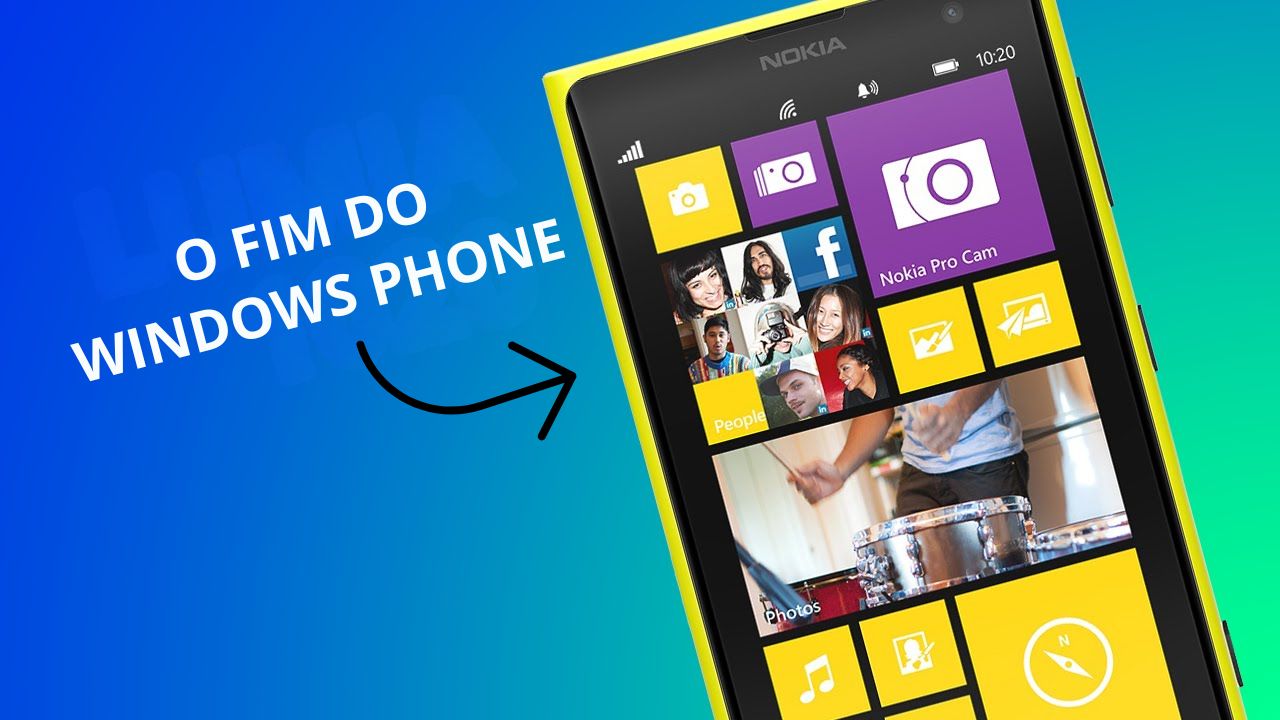

Microsoft Was Once a Vice Leader in Brazil with Windows Phone, but Today Its Presence in the Smartphone Market Is Practically Nonexistent. What Went Wrong with the Tech Giant’s Strategy?
During the 2010s, Microsoft attempted to challenge the duopoly between Android and iOS with the Windows Phone operating system, a bold bet that managed to capture a significant share of the Brazilian market. With innovative design, partnerships with Nokia, and a loyal user base, the platform seemed promising. However, in less than a decade, it was practically abandoned.
The failure was not immediate, but came from a series of strategic decisions that, combined with the rapid evolution of the mobile sector, put Microsoft in a difficult position.
Today, nearly ten years after the launch of its last phone with Windows Phone, the question that still intrigues the public is: Why Did Microsoft Give Up on Smartphones?
-
2,000-Year-Old Gold Rings Found with Human Bones in Thailand Reveal Rare Burial and Feature Ancient Indian Inscription

-
Lenovo Unveils Legion Y700 Tablet with RGB Backlighting, 5G, and SIM Card Support

-
World’s First Nuclear Hydrogen Unit Begins Operation: Copper-Chlorine Technology with Initial Capacity of 150 Liters per Hour, Aiming for 3,000 Liters per Hour
-
Mechanics Retrofit Old Fiat Uno with BYD Electric Motor for Silent, Low-Voltage Operation Reaching Nearly 60 km/h in Home Test



A Journey That Began Before Modern Smartphones
Few remember, but Microsoft’s history in the mobile device world began in the 1990s, long before smartphones as we know them today.
In 1996, the company launched Windows CE, aimed at personal digital assistants (PDAs).
These devices functioned as electronic organizers, with some computer functions, but without internet access as we have today.
Years later, the system evolved into PocketPC 2000, adopted by brands like HP, Casio, and Toshiba.
Starting in 2003, it was renamed Windows Mobile, with numbered versions—a strategy similar to what Android and iOS adopt today.
However, it was not until 2010 that Microsoft introduced Windows Phone 7, its true entry into the smartphone era.
The innovative visual interface, known as Metro, featured colorful block icons, large fonts, and navigation through content “hubs,” which set it apart from competitors.
Nokia and Windows Phone: A Promising Partnership That Lasted Briefly
The major turning point for Microsoft happened in 2011 when Nokia, facing serious challenges after the decline of Symbian, decided to adopt Windows Phone as its main operating system.
The Lumia line debuted with the Lumia 710 and 800 models and began to stand out in the market, especially in Brazil, where it even surpassed Apple in market share.
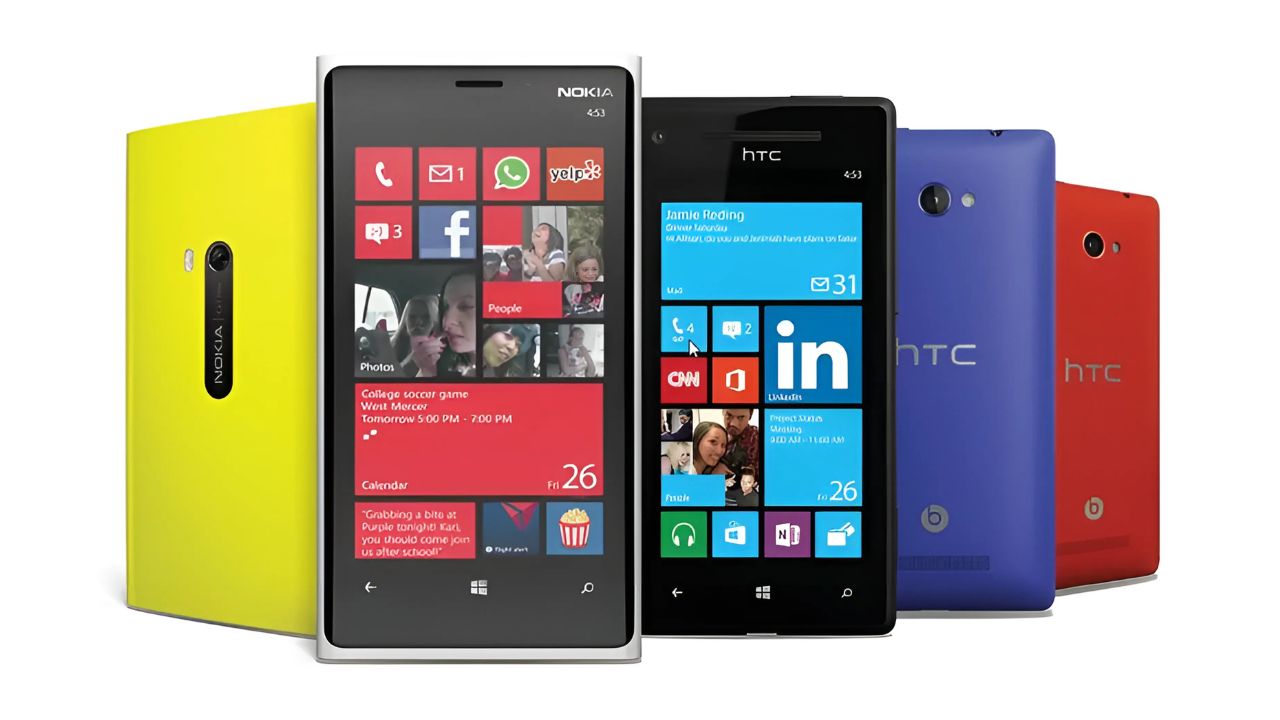
The partnership was so significant that, in 2013, Microsoft purchased Nokia’s mobile division for US$ 7.2 billion.
As a result, it began to directly control the development of Lumia devices and future versions of the operating system.
Popularity Did Not Ensure Survival
Despite advancements like Windows Phone 8 (2012) and 8.1 (2014), the platform never managed to rival Android and iOS on a global scale.
In 2013, Microsoft held only 3.2% of the global market, according to IDC data. In Brazil, the performance was better, but insufficient to sustain the project.
The main obstacle? The lack of popular apps. Many developers simply did not invest in compatible versions for Microsoft’s system.
The app store was limited, and even with effort, support took time to arrive—or never arrived at all.
Additionally, the delay in entering the market meant the company was always playing catch-up to competitors, trying to regain lost ground.
The Last Gamble: Windows 10 Mobile and Lumia 950
In an attempt to save the platform, Microsoft launched Windows 10 Mobile in 2015, betting on the integration between smartphones and PCs.
The concept was promising: allowing the phone to transform into a mini computer when connected to a screen.
The Lumia 950 and 950 XL, launched with this system, were the brand’s last flagship devices. The Lumia 650, released in 2016, became known as the last smartphone with Windows Phone launched by Microsoft.
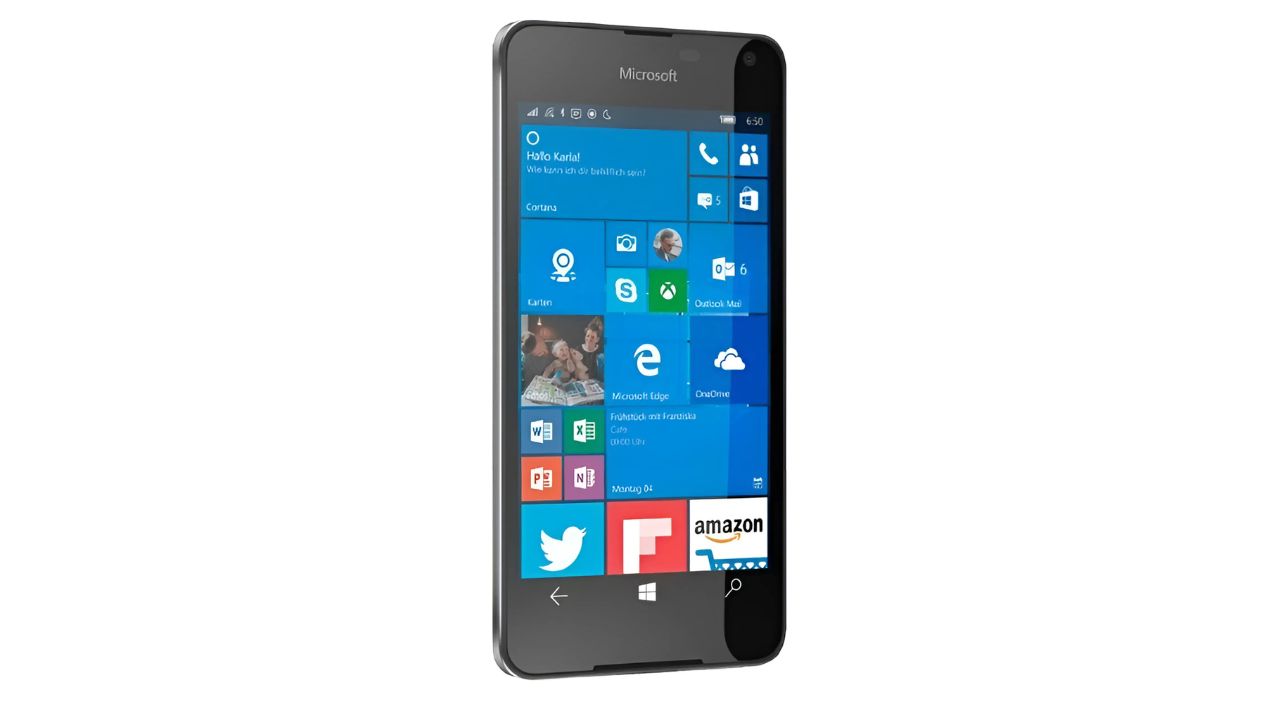
Shortly thereafter, the company underwent a major internal restructuring, with mass layoffs in the mobile division. The end was inevitable.
Post-Windows Phone: The Legacy and Frustrated Attempts
Even after the official end of the project, some manufacturers still released models with Windows 10 Mobile, but without sales success.
Support for updates and apps was gradually phased out, and the Nokia brand passed into the hands of HMD Global, which continues to use it for Android phones to this day.
Microsoft, in turn, attempted to re-enter the market with the Surface Duo, a foldable smartphone with two screens running Android.
The project had two generations, but very limited sales. It was soon discontinued as well.
Over time, even the company’s own executives began to comment on the failure. Bill Gates has publicly stated that he considers the failure in the mobile sector one of his biggest mistakes as CEO.
The creator of Android, Rich Miner, even declared that the idea of developing a mobile system arose in response to concerns that Microsoft would dominate the cell phone sector, just as it did with PCs.
Meanwhile, Steve Ballmer, Gates’ successor, publicly laughed when he saw the launch of the first iPhone in 2007.
He doubted that such an expensive phone without a physical keyboard could be successful. Time proved otherwise.
What Remains of Windows Phone?
Today, Windows Phone is remembered nostalgically by many users who appreciated its fluidity, intuitive design, and integration with the Microsoft ecosystem.

Although technically promising, the system could not withstand the lack of app support, poorly calculated strategic decisions, and a late entry into a dominated market.
Microsoft, for its part, has turned to other areas and remains one of the world’s most valuable companies, even far from smartphones.
With information from the website TecMundo


