






 Portuguese
  Spanish


Largest River in Ceará, the Jaguaribe Boosts Horticulture in the Semiarid, but Faces Pollution, Illegal Occupation, and Growing Environmental Risk.
The Jaguaribe River CE is more than a water resource: it is an agent of transformation in the northeastern semiarid region. Its course winds through areas historically ravaged by drought, but with investment in water infrastructure, they have become productive territories. The river supplies municipalities such as Jaguaribe, Limoeiro do Norte, Morada Nova, Quixeré, and Russas, in addition to the capital Fortaleza, which depends on water from Castanhão to serve millions of inhabitants.
In 2024, Brazil exported over 5 million tons of chicken meat. In Ceará, however, another food begins to draw attention in the international market: tropical fruits irrigated with water from the Jaguaribe, produced with cutting-edge technology even amid the dry climate.
Castanhão: Water Control and Intensive Agricultural Production
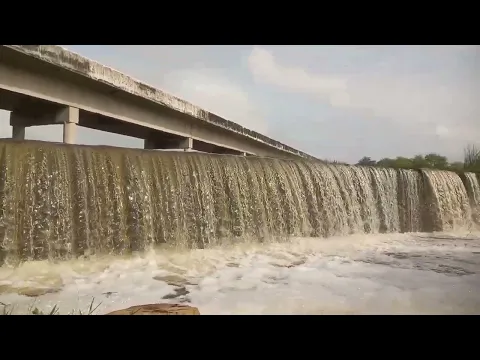
Inaugurated in 2003, the Castanhão dam, located in Alto Santo, is the largest reservoir in Brazil, with a capacity of 6.7 billion cubic meters. It regulates the flow of the Jaguaribe, supplies about 3 million people, and ensures the continuity of agricultural production even during prolonged drought periods. The Eixão das Águas adduction system integrates this structure and ensures the supply for the Metropolitan Region of Fortaleza.
-
Resident left tap running to prevent freezing, but woke up to ice in the sink after -1.8°C cold snap in Brazil’s Serra Gaúcha region.

-
Man Inherits Old House in France and Discovers 100 kg of Hidden Gold Throughout the Property
-
Pyramid-Shaped Apartment Building in China Stands Out with 18 Floors, 45-Degree Inclined Facade, and Terraced Design Inspired by Traditional Rice Paddies

-
When Do Brazil and Japan Face Off in the World Cup?






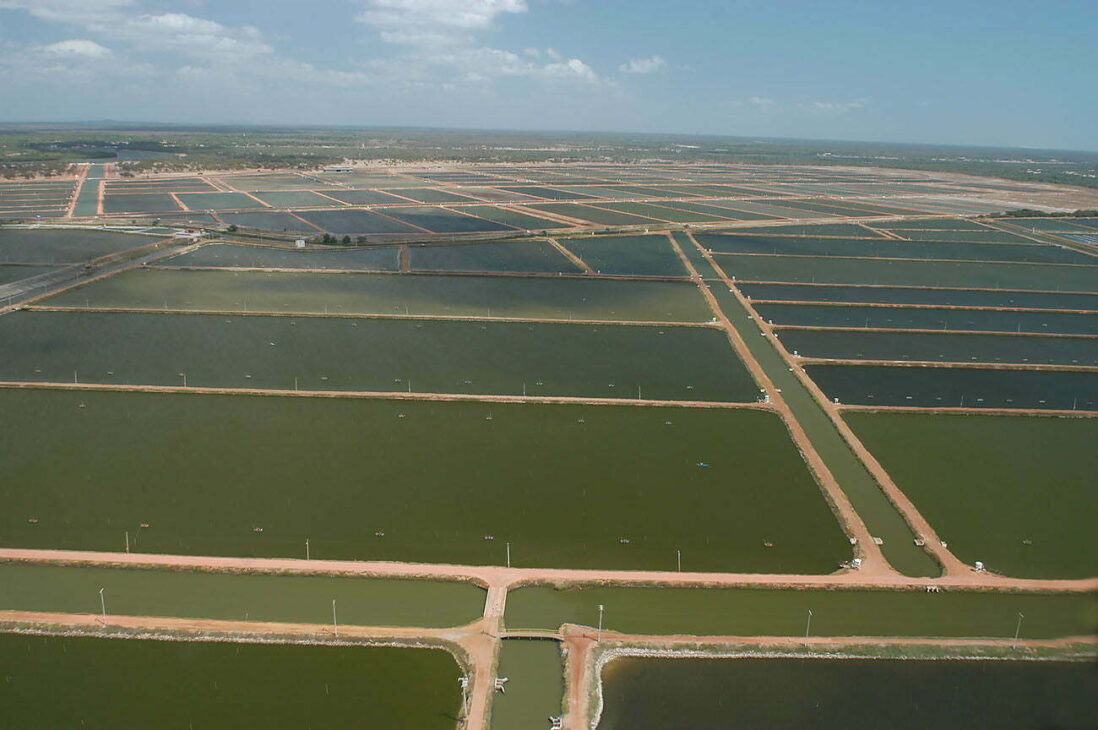
The Jaguaribe Valley stands out in irrigated horticulture with the production of melons, bananas, mangoes, papayas, and grapes. In 2023 alone, Ceará exported over 200,000 tons of tropical fruits, concentrated in this region. The production model adopts drip irrigation, fertigation, and digital water control, making water use more efficient and competitive.
The Hidden Face: Pollution and Growing Degradation
Despite the advances, the Jaguaribe River faces increasing environmental challenges. The disorderly occupation of its banks, the disposal of clandestine sewage, and the lack of oversight have compromised the water quality and the ecological balance of the river. In urban and peri-urban sections, pollution already affects riverside communities, plantations, and animals.
According to data from environmental agencies, several tributaries of the Jaguaribe show elevated levels of fecal coliforms and organic load, a consequence of the lack of basic sanitation and preservation projects for springs. The silent degradation directly threatens the successful model of irrigated horticulture, as well as putting the water security of the population at risk.
Development, Jobs, and Settlement in the Countryside
Irrigated horticulture in the Jaguaribe Valley is also a vector of social transformation. It generates thousands of direct and indirect jobs, strengthens cooperatives, drives agribusinesses, and helps settle families in the countryside, preventing rural exodus. Municipalities such as Quixeré, Morada Nova, and Icapuí are experiencing a new cycle of economic opportunities thanks to the combination of water, technology, and planning.
The sustainability of the Jaguaribe depends on immediate and integrated actions. The National Water and Basic Sanitation Agency (ANA) advocates for the expansion of permit control, monitoring through remote sensors, and promoting water reuse and restoration of degraded areas.
Initiatives such as the Ceará Water Belt (CAC) aim to relieve pressure on the river by connecting basins and better distributing the state’s water resources.
Environmental education projects and technical assistance to communities are essential to maintain the balance between production and conservation. Maintaining productivity in the semiarid region requires a collective commitment to rational water use, preservation of springs, and recovery of vulnerable areas.
Jaguaribe: Between Abundance and Risk
The Jaguaribe River symbolizes the duality of the Brazilian semiarid region: on one side, its ability to produce wealth and feed the world even under intense sun and scarce rains; on the other, the growing risk of environmental collapse if measures are not taken.
Preserving the Jaguaribe is ensuring that the hinterland remains productive, export-oriented, and socially balanced. The same water that transforms lives today can, without care, leave a trail of scarcity and degradation tomorrow. And that is why it should not be viewed merely as a river — but as a vital link between nature, economy, and the future in Northeast Brazil.




Good post! We will be linking to this particularly great post on our site. Keep up the great writing
This was beautiful Admin. Thank you for your reflections.