Portuguese
  Spanish


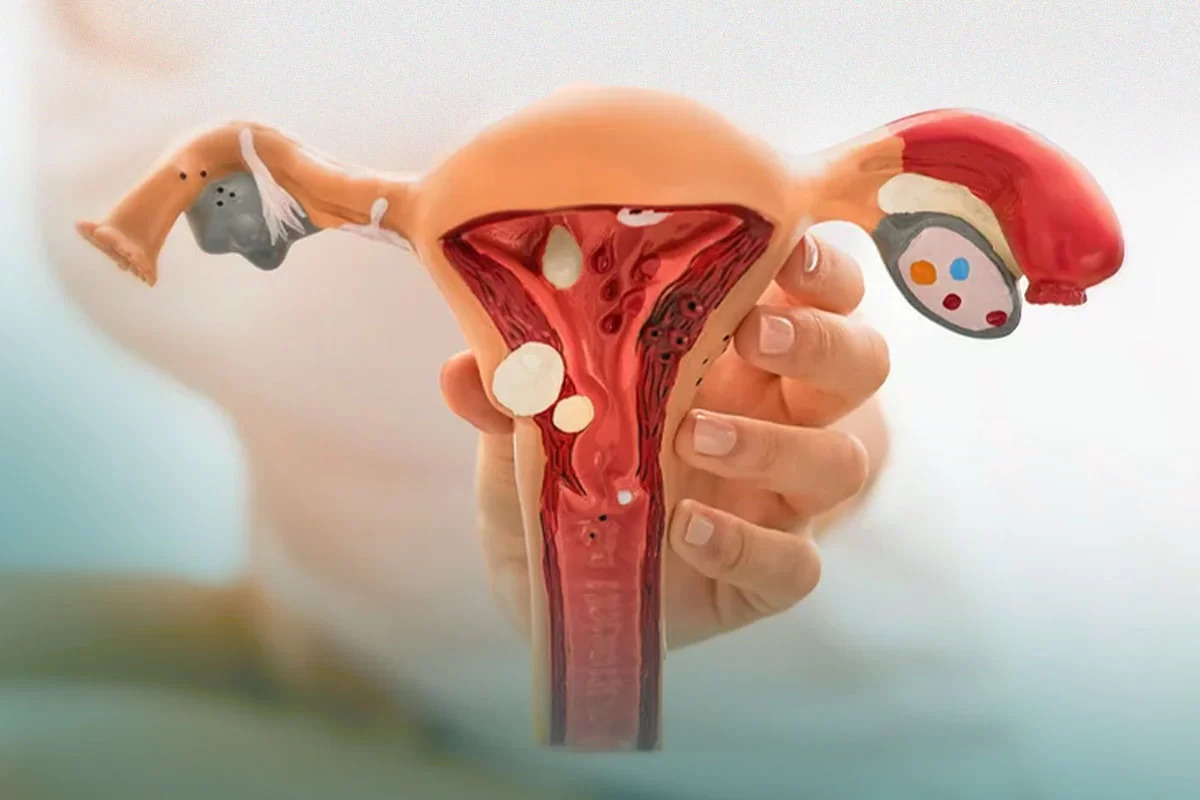


The Uterus Moves Within The Body, Affects The Immune System, Fertility, And What Modern Science Reveals About Female Reproductive Health.
Although it seems fixed, the uterus is surprisingly mobile within the pelvic cavity. This natural movement, which occurs throughout a woman’s reproductive life, has a direct impact on fertility, menstrual pain, and even the functioning of the immune system.
Women of childbearing age — and even those who have already gone through menopause — are affected by these changes, which occur during the menstrual cycle, in pregnancy, or in specific clinical situations.
The discussion about the uterus has gained new momentum after experts like Michelle Spear from the University of Bristol explained that this mobility is essential for the health of the reproductive system.
-
56-year-old Govinda, tired of waiting for government action, single-handedly built a dirt road with a pickaxe and shovel to aid 25 families in India

-
Cold War Secret Plane Lost Engine Mid-Flight, Forcing Six to Parachute in Darkness; Wreckage Remains in Death Valley Mountains 73 Years Later

-
Opened in 1980, Shopping Recife was Pernambuco’s first mall and helped transform Boa Viagem into a bustling and sought-after district in southern Recife.
-
Tired of Monthly Water Supply, South African Villagers in Limpopo Connect Mountain Spring to Taps, Bringing Water to 5,000 People with $700 Initiative





Modern anatomy has already debunked old beliefs like the myth of the “wandering uterus,” but there is still much curiosity about the real functioning of this vital organ.
Is the Uterus Fixed? Not Really. Understand Its Mobility
The uterus is suspended by ligaments between the bladder and rectum. This allows it to tilt and sway in different directions.
The most common position is anteversion, facing forward, but many women have a retroverted uterus, pointing towards the spine.
These variations are normal and affect different aspects of health. For example, menstrual pain in those with a retroverted uterus may manifest in the lower back, while others may feel discomfort in the lower abdomen.
This mobility also influences functions such as urination and bowel transit, especially during pregnancy.
Mobility and Immune System: What Does It Have To Do With It?
Little discussed outside the scientific community, the role of the uterus in the immune system is essential. Its movement and hormonal response help regulate the entry of sperm, protect against infections, and prepare the body for a possible pregnancy.
During ovulation, for example, the cervix rises and becomes softer, facilitating fertilization. After ovulation, it returns to a lower and firmer position, helping in defense against external pathogens.
This adaptive behavior is deeply linked to hormonal and immune variations, showing that the uterus is much more than a reproductive organ: it is an active part of the female immune system.
The Myth of the “Wandering Uterus” and Its Historical Effects
For centuries, it was believed that the uterus could “wander” throughout the body, causing symptoms such as fainting, shortness of breath, and even hysteria — a term derived from the Greek word “hystera,” which means uterus.
Absurd treatments like smelling herbs, using weights on the abdomen, or even getting married were prescribed as “cures” for the problem.
Despite having been debunked by science since the 18th century, the myth of the wandering uterus still influenced medical diagnoses until the early 20th century.
Today, we know that the uterus does move, but in a controlled and healthy way. It is a dynamic organ, not a rebellious one.
Fallopian Tubes: More Mobile Than Previously Thought
One of the biggest surprises of female reproductive anatomy is the behavior of the fallopian tubes. They are not fixed to the ovaries, and every month, their fimbriae “search” for the released egg.
This mobility is essential for the success of fertilization but also explains the risk of ectopic pregnancy, when the embryo develops outside the uterus. The fallopian tube, though flexible, can fail to transport the fertilized egg, which represents a medical emergency.
This is yet another example of how the mobility of the uterus and its associated structures are fundamental for the full functioning of the reproductive and immune systems.
Ovaries, Uterus, And The Dance Of Fertility
The ovaries are also not static. Although less mobile than the tubes, they are attached by ligaments that allow for some displacement.
After a hysterectomy (removal of the uterus), for example, the ovaries may change position, which impacts imaging exams and surgical plans.
Moreover, this mobility can, in rare cases, cause ovarian torsion — a painful condition that requires immediate medical attention.
Nevertheless, the movement of these organs is, for the most part, healthy and necessary.
When Does Mobility Become A Problem?
Although normal, the mobility of the uterus can cause complications. Uterine prolapse, for example, occurs when the uterus descends through the vagina due to the weakening of the pelvic floor muscles — something common after multiple births or with aging.
Another problem is the adhesion of organs caused by previous surgeries or conditions like endometriosis. In these situations, the loss of natural mobility can result in severe pain and inflammation.
Therefore, although the mobility of the uterus is a positive characteristic, any alteration or limitation should be treated with medical attention.
Although it seems fixed, the uterus is surprisingly mobile within the pelvic cavity. This natural movement, which occurs throughout a woman’s reproductive life, has a direct impact on fertility, menstrual pain, and even the functioning of the immune system.
Women of childbearing age — and even those who have already gone through menopause — are affected by these changes, which occur during the menstrual cycle, in pregnancy, or in specific clinical situations.