






 Portuguese
  Spanish


Fossil fuel remains a central piece of the world economy, driving transport, industry, energy generation, and geopolitical disputes among producing countries.
Oil remains one of the most important and strategic natural resources on the planet. Even with the growth of renewable energy sources, fossil fuel still dominates essential sectors of the world economy, moves trillions of dollars annually, and directly influences political, industrial, and geopolitical decisions in various countries.
The information was originally released by Brasil Escola, based on data from the National Agency of Petroleum, Natural Gas and Biofuels (ANP), the National Department of Mineral Production (DNPM), and the Organization of the Petroleum Exporting Countries (OPEC). The survey details the origin, composition, history, applications, and economic importance of oil in modern society.
Considered a flammable fossil fuel, oil is an oily substance whose density is lower than that of water. Furthermore, it has become one of the main energy resources used worldwide since the industrial expansion that began in the 19th century.
-
With a record production of nearly 3 million barrels per day, Petrobras resumes importing diesel in July, highlighting the bottleneck in Brazilian refining.

-
Qantas and Airbus Invest in Company Aiming to Convert Unsorted Household Trash into Jet Fuel

-
Brazil’s ANP Opens 86 New Oil Blocks in the Equatorial Margin, Expanding the Amazon River Mouth Frontier

-
OPEC+ Boosts Oil Supply by 188,000 Barrels per Day in July 2026, Leading to Price Drop from $112 to $89 per Barrel in Under Two Months
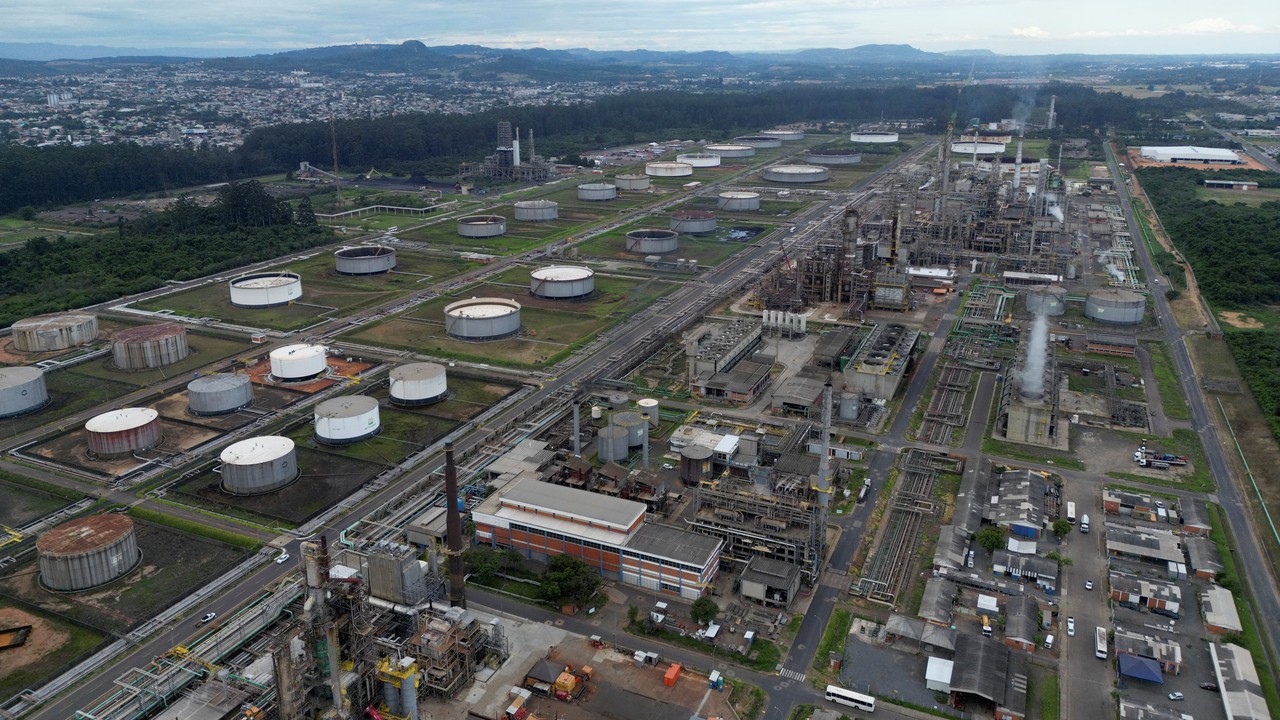


Although oil was already known to ancient civilizations, its large-scale exploration effectively began in the mid-19th century. Subsequently, the advancement of gasoline and diesel-powered engines further boosted its global use.
In the 1970s, oil accounted for almost 50% of all global energy consumption. Currently, despite the growth of alternative sources, it remains among the planet’s main energy matrices.
In addition to energy generation, oil also has enormous industrial importance, serving as a raw material for the manufacture of fuels, plastics, cosmetics, solvents, paints, and various products used daily.
How oil originated and what its chemical composition is

Oil originated from the decomposition of organic matter over millions of years. According to specialists, the main agents responsible for the process are planktons accumulated in environments with low oxygen content.
Bacteria carry out the decomposition of this organic material, which ends up accumulating in deep subsurface layers present in sedimentary basins, at the bottom of seas, oceans, and lakes.
Over the years, pressure and temperature cause chemical transformations in these deposits until they form the oily substance currently known as oil.
According to the National Department of Mineral Production (DNPM), oil is a mixture of hydrocarbons, molecules composed mainly of carbon and hydrogen.
In addition, the fuel also contains sulfur compounds, nitrogen compounds, oxygen compounds, resins, asphaltenes, and metals such as iron, copper, and zinc.
According to the National Agency of Petroleum (ANP), the average chemical composition of oil can vary depending on the sample analyzed. However, in general, it presents:
- Carbon: 82%
- Hydrogen: 12%
- Nitrogen: 4%
- Oxygen: 1%
- Salts: 0.5%
- Metals: 0.5%
The DNPM also classifies oil according to the by-products generated after refining.
Among the main classifications are:
- Paraffinic class: light oils and low viscosity, with resin and asphaltene content below 10%;
- Paraffinic-naphthenic class: oils with moderate viscosity and density, containing between 5% and 15% resin and asphaltene;
- Naphthenic class: oils less representative in the total volume of oil;
- Intermediate aromatic class: heavy oils found mainly in the Middle East and Venezuela, with content between 10% and 30%;
- Aromatic-naphthenic class: derivatives of paraffinic oil degradation, generally found in West Africa;
Petroleum drove wars, economies, and global industrialization
Petroleum has accompanied humanity for thousands of years. Ancient peoples of the Middle East, Egypt, Mesopotamia, and China already used natural derivatives of the substance for lighting, paving, lubrication, and even warlike purposes.
However, the modern oil industry effectively emerged in the mid-19th century, when Scotland developed more advanced refining processes.
During that period, Azerbaijan concentrated more than 50% of the world’s oil production.
On the American continent, the first record of exploration occurred in Canada. Subsequently, in 1859, the United States began commercial production from a well approximately 21 meters deep drilled in Pennsylvania.
In 1960, the Organization of the Petroleum Exporting Countries (OPEC) emerged, created to strengthen producing countries in the face of the global consumer market.
Currently, OPEC countries concentrate about 25% of the world’s oil reserves.
In Brazil, oil was first found in 1939, in the state of Bahia. Shortly after, an economically viable deposit for exploration was identified.
In 1954, Petrobras began to assume the state monopoly of Brazilian oil exploration.
Decades later, in 2006, Petrobras announced the discovery of the Brazilian pre-salt, considered one of the largest oil fields on the planet. Effective exploration began in 2010.
Petroleum derivatives are present in the daily lives of billions of people
Although many people associate petroleum only with gasoline, its derivatives have extremely broad applications.
After the refining process, carried out by chemical techniques such as cracking, reforming, alkylation, and hydrotreatment, petroleum generates various products essential for the modern economy.
According to the ANP, the main petroleum derivatives are:
- Petroleum gas: used in heating and industrial processes;
- Liquefied petroleum gas: used in domestic kitchens;
- Naphtha: petrochemical raw material and gasoline component;
- Gasoline: automotive fuel;
- Kerosene: used in jet turbines;
- Diesel oil: essential for road, waterway, and thermoelectric transport;
- Fuel oil: used in industrial heat generation;
- Derived residues: used in the production of coke, asphalt, and waxes.
In addition, petroleum also serves as a raw material for the manufacture of plastics, synthetic rubbers, solvents, cosmetics, paints, and numerous industrial products.
Obtaining petroleum requires advanced technologies and specific equipment. The fuel is normally found in sedimentary basins located in deep deposits.
The exploration process occurs in three main stages:
- Prospecting: identification of deposits through geological analyses;
- Drilling: evaluation of the economic viability of extraction;
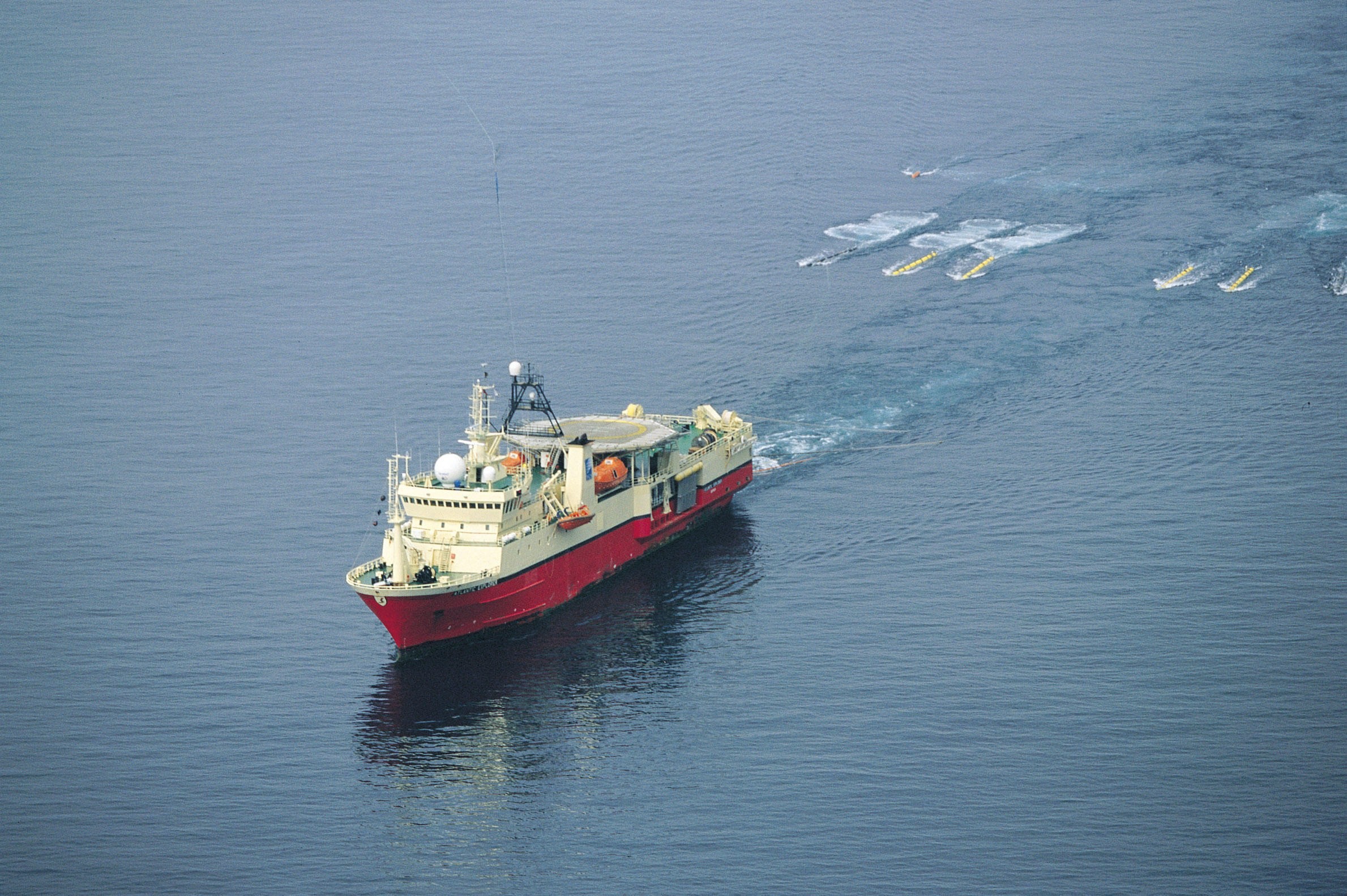
- Extraction: removal of petroleum by pumps, platforms, or specialized vessels.
Venezuela, Saudi Arabia, and Canada lead global oil reserves
According to data from the United States Central Intelligence Agency (CIA), the countries with the largest oil reserves in the world are:
- Venezuela: 300.9 billion barrels;
- Saudi Arabia: 266.5 billion barrels;
- Canada: 169.7 billion barrels;
- Iran: 158.4 billion barrels;
- Iraq: 142.5 billion barrels.
According to the data presented, the United States occupies the 11th position worldwide, with 36.5 billion barrels.
Brazil appears in 15th position, with estimated reserves of 12.7 billion barrels.
In 2018, global consumption reached approximately 98.82 million barrels per day, according to OPEC.
Even with the expansion of renewable energies, experts state that oil will continue to play a strategic role in the global economy over the coming decades.
After all, a large part of the planet’s energy, logistics, and industrial infrastructure still directly depends on this fossil fuel.
And you, do you believe oil will continue to dominate the world economy or do you think renewable energies will quickly replace this source in the coming decades?





