Portuguese
  Spanish





Petrobras expands operations in Amazonas with new investment in Urucu, expansion of natural gas, and modernization of river logistics until 2030.
Petrobras confirmed an investment exceeding R$ 2.8 billion in Amazonas until 2030 to expand natural gas production in Urucu and modernize Transpetro’s river logistics. The announcement took place in Manaus on May 27, 2026 during an event attended by President Luiz Inácio Lula da Silva, Petrobras President Magda Chambriard, and Transpetro President Sérgio Bacci.
The package includes R$ 2.5 billion allocated to the resumption of drilling in the Urucu Hub, as well as the construction of new vessels for fuel transport in Brazilian ports. The measure strengthens the energy security of the Northern Region and expands Petrobras’ presence in a strategic area of the Amazon.
In addition to the energy impact, the investments are expected to boost the naval industry, generate thousands of jobs, and improve logistical efficiency in river fuel transport.
-
Qantas and Airbus Invest in Company Aiming to Convert Unsorted Household Trash into Jet Fuel

-
Brazil’s ANP Opens 86 New Oil Blocks in the Equatorial Margin, Expanding the Amazon River Mouth Frontier

-
OPEC+ Boosts Oil Supply by 188,000 Barrels per Day in July 2026, Leading to Price Drop from $112 to $89 per Barrel in Under Two Months

-
TotalEnergies Signs 20-Year Deal to Purchase 2 Million Tons of LNG from Alaska, Boosting Project Viability

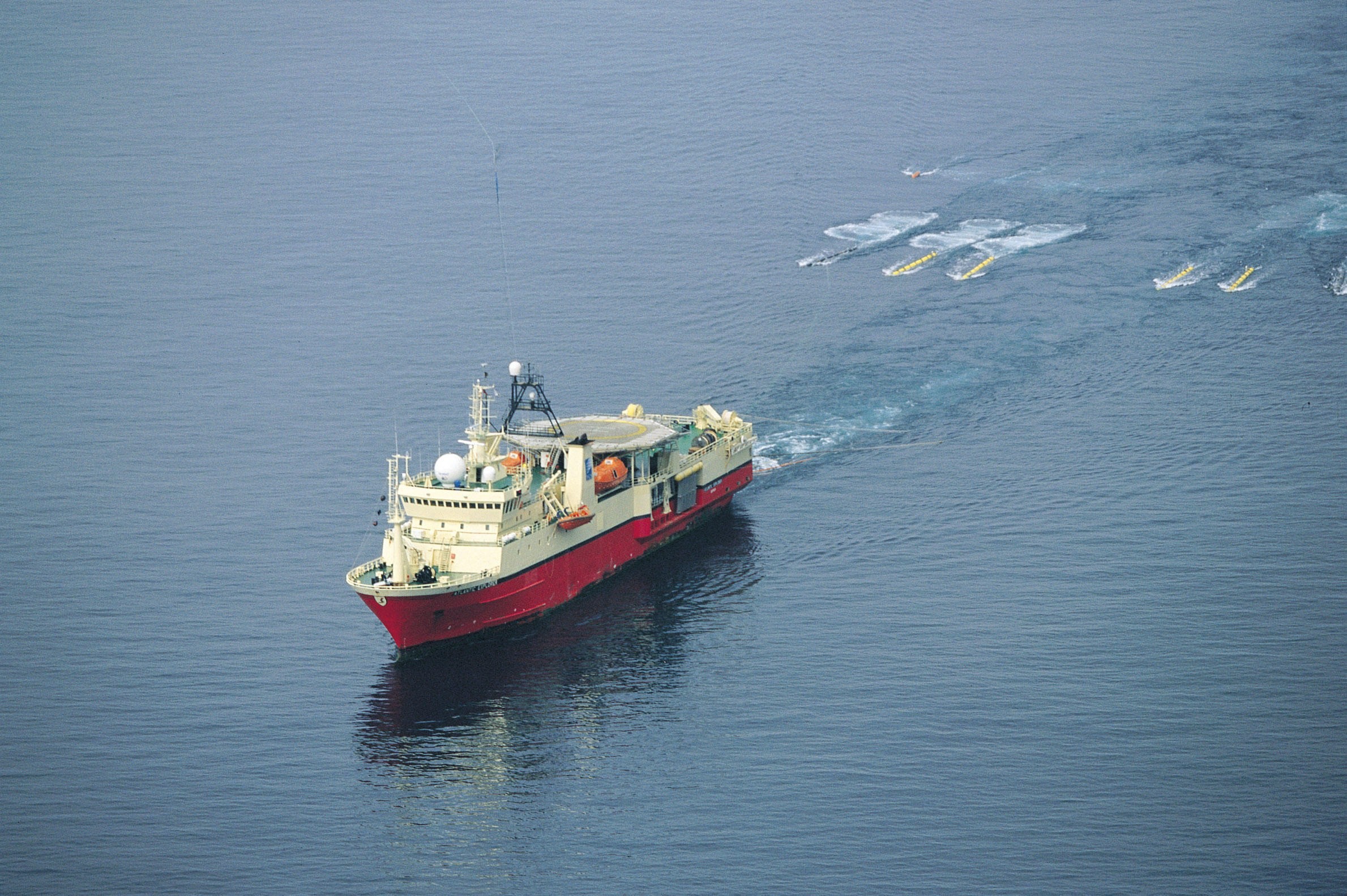
Petrobras resumes expansion in Urucu after 10 years without new wells
The Urucu Hub, located in the municipality of Coari, Amazonas, marks 40 years of operation in 2026 and returns to the center of Petrobras’ strategy. After a decade without investments in new wells, the state company confirmed the resumption of drilling in the region.
The new project foresees about 40 kilometers of connection lines between the wells and the production systems. According to Petrobras, the expectation is to increase the average production by approximately 4,400 barrels of oil equivalent per day.
Today, Urucu already produces about 105,000 barrels of oil equivalent daily, being considered the largest onshore oil hub in Brazil.
The natural gas produced in the region plays a fundamental role in the energy supply of the Northern region of the country. Currently, it accounts for about 65% of the electricity consumed in Manaus and five other municipalities in Amazonas.
Additionally, the average production of LPG reaches approximately 80,000 cylinders per day, supplying all the states of the Northern Region and part of the Brazilian Northeast.


Petrobras investment in Amazonas expected to boost regional economy
The new investment by Petrobras also promises a significant economic impact in Amazonas. The state-owned company is already responsible for generating approximately 14,000 direct and indirect jobs in the state.
According to projections, the construction of the new vessels alone is expected to create around 3,300 direct and indirect jobs, strengthening the Amazonian naval sector.
Another important data point involves state revenue. In 2025, Petrobras operations in Amazonas generated approximately R$ 1.5 billion in taxes and government shares. The company remains the largest ICMS taxpayer in the state.
Among the main expected impacts are:
- Expansion of natural gas production in Urucu
- Job creation in the naval industry
- Reduction of Transpetro’s logistical costs
- Strengthening of energy security in the North
- Expansion of Amazonian river infrastructure
Experts point out that the expansion of the natural gas supply could stimulate new industrial and energy investments in municipalities in the Amazon region.

Open Sea Program accelerates renewal of Transpetro’s fleet
Part of the announced resources is part of the Open Sea Program, an initiative created by the Petrobras System to expand and renew its own fleet of vessels by 2030.
The program plans the construction of 96 vessels, with estimated investments of R$ 34.8 billion. Since the start of the current management, Transpetro has already contracted 52 units, totaling approximately R$ 11.6 billion in investments.
In Amazonas, the highlight is the construction of 18 barges at the Bertolini Shipbuilding in the Amazon. The contract totals R$ 303.5 million.
In addition to the barges, Transpetro also contracted 18 pushers, valued at around R$ 325.3 million. The vessels will be used in operations at the ports of Rio de Janeiro, Santos, Belém, Paranaguá, and Rio Grande.
According to Sérgio Bacci, president of Transpetro, the modernization of the fleet aims to reduce operational costs and strengthen the national logistics of maritime fuels.

New vessels will have technology adapted to the Amazon
The new vessels contracted by Petrobras were designed to operate in complex environments, especially in the Amazon region.
Of the 18 barges planned:
- Ten will have a capacity of 3,000 tons of gross tonnage
- Eight will have a capacity of 2,000 tons
- The units can reach up to 70 meters in length
- The systems will allow the transport of different fuels in segregated tanks
Another important differential is the adoption of more sustainable solutions. The vessels will be able to operate using electric power on land and will also have solar energy support.
The pushers will have a power of up to 450 kW, autonomy of five days of continuous navigation, and a traction capacity of up to 13 tons.
Petrobras states that the new equipment has technologies aimed at increasing the precision of operations in port areas and more restricted river sections.
Urucu natural gas gains strategic importance in the North
The expansion of natural gas production in Urucu occurs at a time of growing energy demand in Northern Brazil.
A large part of Amazonian municipalities faces historical logistical challenges for access to fuels and electricity generation. Therefore, the increase in natural gas supply is seen as strategic to enhance regional energy security.
Petrobras also confirmed that the partnership with Amazônica Energy, signed in November last year, is expected to start operating from 2028.
The expectation is to increase the North’s energy security by at least 100,000 cubic meters per day.
Besides the economic impact, the use of natural gas can help reduce emissions compared to more polluting fuels used in isolated systems in the Amazon.
What the new project represents for Petrobras and Amazonas
The new investment cycle reinforces the strategic role of Amazonas within the Brazilian energy sector. The resumption of expansion operations in Urucu marks a new phase for Petrobras in the region after years without major drilling projects.
At the same time, the modernization of river logistics shows that the company intends to reduce costs and increase efficiency in fuel transportation in different regions of the country.
With more than R$ 2.8 billion planned by 2030, the project combines job creation, strengthening of energy infrastructure, and expansion of natural gas production, consolidating Urucu as one of Petrobras’ most important areas in Brazil.
With information from Planalto