






 Portuguese
  Spanish
  4 min of reading
  0 comments


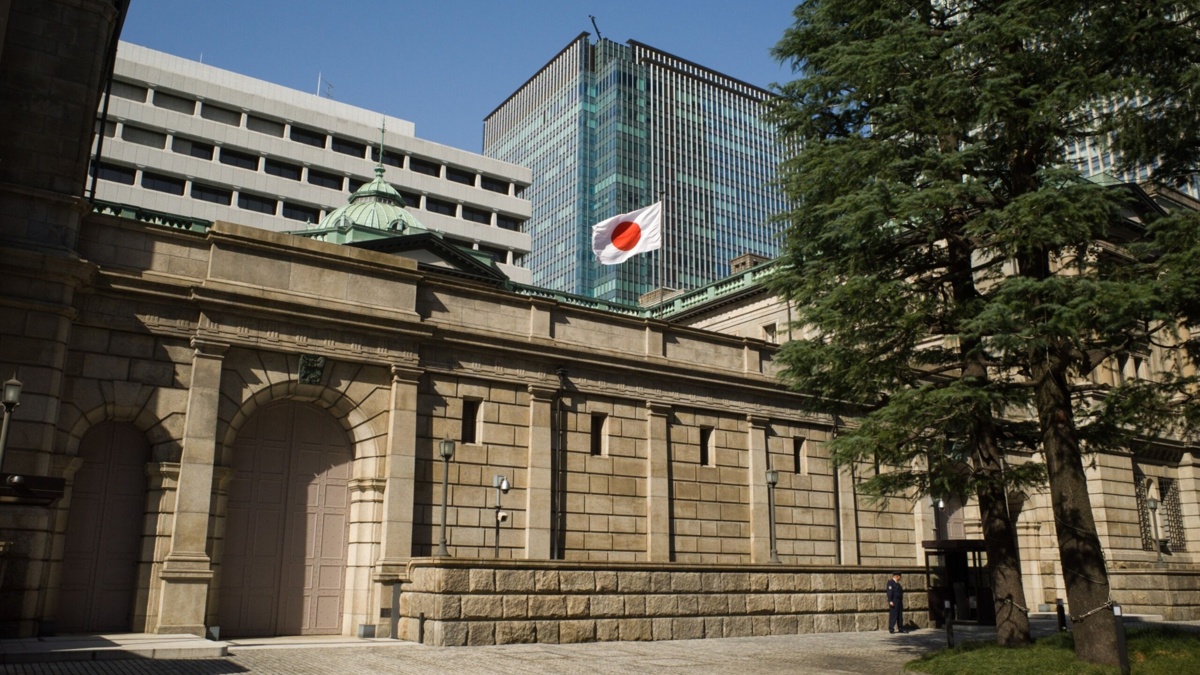
The Bank of Japan (BoJ) raised its basic interest rate to 1%, reaching the highest level since 1995. The decision reinforces the shift in Japanese monetary policy after decades of stimulus and near-zero interest rates.
Additionally, the measure comes at a time of inflationary pressure caused by rising energy prices. The increase in oil prices and the depreciation of the yen also influenced the decision of the Japanese monetary authority.
Interest rate reaches the highest level since 1995
The Bank of Japan increased the short-term rate from 0.75% to 1%. The increase was 0.25 percentage points and was already expected by much of the financial market.
With this, Japanese interest rates reached the highest level in 31 years. The move represents another step in the monetary normalization process initiated by the central bank after decades of fighting deflation.
-
ANP halts LPG reform, and Sindigás sees technical caution as a decisive point for safety, investments, and the future of the cylinder in Brazil.

-
Oil spill in the Caribbean raises environmental alert and increases tension between Venezuela and Trinidad and Tobago

-
More than 40 Petrobras platforms enter the decommissioning queue and open up a billion-dollar industry in Brazil for cranes, special ships, underwater cutting, and offshore recycling.

-
ANP schedules oil auctions in October and reinforces regulatory predictability for concessions, sharing, and investments in the oil and gas sector




Additionally, the institution aims to balance inflation control with maintaining economic growth.
More expensive oil influenced the decision
The increase in energy prices played an important role in the Bank of Japan’s decision.
During the announcement of the measure, Vice Governor Shinichi Uchida highlighted that Japanese companies have been passing on higher oil costs to consumers. As a result, inflation remains under pressure.
Furthermore, tensions in the Middle East have heightened concerns about the global energy supply. This scenario has increased import costs for Japan, which heavily relies on purchasing oil and gas from abroad.
Inflation remains on the central bank’s radar
The Bank of Japan considers that inflation still requires attention.
In a statement released after the monetary policy meeting, the institution reported that energy prices and the gradual growth of wages continue to influence inflation behavior.
Therefore, the central bank decided to maintain a more cautious stance. The goal is to prevent price increases from becoming persistent in the coming years.
Furthermore, the monetary authority intends to closely monitor economic indicators before deciding on new adjustments.
Yen depreciation causes concern
Another important factor for the decision was the weakness of the Japanese currency.
In recent months, the yen has remained close to the range of 160 units per dollar. This movement increased the cost of imports and further pressured domestic prices.
Furthermore, a weaker currency makes imported products more expensive, especially fuels and raw materials.
In this scenario, higher interest rates can help make Japanese assets more attractive to international investors. As a result, the measure may contribute to strengthening the yen over time.
Market received the decision calmly
The interest rate hike did not cause turmoil in the financial markets.
The Financial Times reported that investors already expected the decision. Therefore, the reaction was relatively moderate.
Additionally, the Nikkei index remained close to historical highs during the trading session. The market’s behavior indicated confidence in the Japanese economy’s ability to handle higher interest rates.
The yen also showed stability after the announcement, indicating that the measure was already widely priced in.


New hikes may occur in 2026
The increase to 1% may not be the last move by the Bank of Japan this year.
A survey conducted by Reuters showed that some economists expect further increases in the coming months. Some projections indicate that the rate could reach around 1.25% by the end of 2026.
However, the institution continues to adopt a gradual approach. Before implementing new increases, the central bank intends to assess the behavior of inflation, wages, and economic growth.
Japan ends period of ultra-low interest rates
For many years, Japan maintained one of the most flexible monetary policies in the world.
The strategy aimed to stimulate consumption, encourage investments, and combat deflation. However, the economic scenario has changed in recent years.
Now, inflation has returned to a central position in the concerns of monetary authorities. Additionally, energy costs and the depreciation of the yen have created new challenges for the Japanese economy.
Therefore, the interest rate increase to 1% represents a historic change in the country’s economic policy management.
What to expect going forward?
Economists believe that the Bank of Japan will continue to proceed cautiously.
On one hand, the institution wants to prevent inflation from remaining high for too long. On the other, it needs to ensure that the economy continues to grow sustainably.
Moreover, external factors will continue to influence upcoming decisions. Among them are oil prices, the performance of the global economy, and geopolitical tensions.
In this context, investors worldwide will remain attentive to the next steps of the Bank of Japan. After all, the decisions of the world’s third-largest economy continue to exert significant influence on international markets.






Be the first to react!