






 3 min of reading
  0 comments


The escalation of tensions between the United States and Iran has once again placed the oil market at the center of global economic attention. The scenario worries governments, companies, and central banks because changes in the price of the commodity often affect fuels, transportation, industrial production, and inflation in various countries.
According to a report published by PIRANOT on June 19, 2026, the volatility observed in the international market has reignited the debate on possible impacts on prices and monetary policy.
Furthermore, Brent oil, the main international reference for commodity trading, started operating close to the range between US$ 78 and US$ 80 per barrel, reflecting the increase in uncertainties related to the Middle East. For investors, the main risk lies in the possibility of disruptions in important energy transportation routes.
Why does oil react to geopolitical tensions?
The oil market usually responds quickly to conflicts in energy-producing regions. This happens because any threat to the production or transportation of the commodity can reduce the available supply and pressure prices.
-
IEA reduces forecast for global oil demand in 2026 after impacts of the Middle East crisis

-
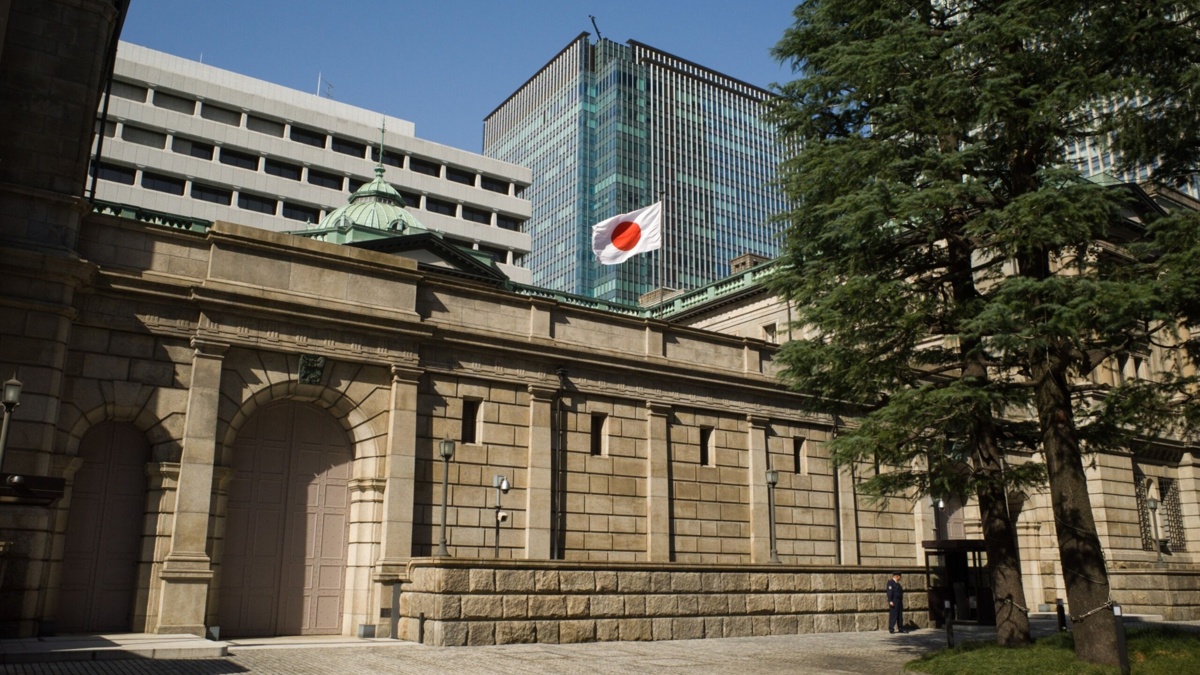
Bank of Japan raises interest rates to 1%, reaching the highest level in over three decades

-
ANP halts LPG reform, and Sindigás sees technical caution as a decisive point for safety, investments, and the future of the cylinder in Brazil.
-
Oil spill in the Caribbean raises environmental alert and increases tension between Venezuela and Trinidad and Tobago




In the current case, concerns mainly involve the Strait of Hormuz, a maritime corridor located between Iran and Oman. According to economic analyses published by Gazeta do Povo, between 20% and 35% of the global flow of oil and liquefied natural gas passes through the region, making the location strategic for global energy supply.
Therefore, any sign of instability in the area usually generates a so-called “risk premium” in oil prices. In other words, investors start paying more for the commodity due to the fear of supply problems.
How the rise in oil prices can affect inflation
Oil influences a wide economic chain. When prices rise, fuels like gasoline, diesel, and aviation kerosene tend to become more expensive over time.
Consequently, transportation costs increase. Companies that depend on road, air, or sea logistics end up facing higher expenses. In many cases, part of this increase reaches the final consumer through the adjustment of products and services.
Furthermore, oil is also a raw material for various industrial products, including plastics, fertilizers, packaging, and chemical components. This broadens the potential inflationary impact of a prolonged rise in the commodity.
Brazil may feel the effects
Although oil is traded globally, the effect on prices in Brazil depends on several factors.
The PIRANOT report highlights that the impact on fuels does not occur automatically. The final price also depends on the exchange rate, Petrobras’ commercial strategies, competition among distributors, taxes, and internal market conditions.
On the other hand, a combination of more expensive oil and a stronger dollar usually increases pressure on domestic prices. Since the commodity is traded in American currency, the appreciation of the dollar can amplify the effects of the international rise.
Central Bank monitors the scenario closely
The rise in energy prices also tends to influence central bank decisions.
When inflation gains strength, monetary authorities may adopt a more cautious stance regarding interest rates. Economic reports and market analyses indicate that a persistent rise in oil prices may reduce the room for interest rate cuts in various countries, including Brazil.
PIRANOT itself highlights that the Brazilian Central Bank is monitoring the scenario because shocks in energy prices can alter inflation expectations and impact future decisions on monetary policy.


Market monitors upcoming developments
So far, the financial market remains attentive to news involving the United States and Iran. More than the current price of the barrel, investors are observing the possibility of new episodes that could affect oil production or transportation in the Middle East.
Meanwhile, governments, companies, and consumers are following the developments cautiously. After all, history shows that fluctuations in the energy market often produce effects that go far beyond the oil sector, influencing inflation, economic growth, and interest rate decisions in different parts of the world.
Source: PIRANOT (June 19, 2026), with additional information on the energy market and global economic impacts.







Be the first to react!