





 Portuguese
  English
  Spanish
  5 min of reading
  2 comments





Chinese fishermen found 10 foreign submarine devices in 2 years and received official reward for spying equipment.
In reports released in 2022 by the Reuters agency based on information from Chinese state media, authorities in Jiangsu province, on the east coast of China, revealed a fact that exposed a less visible dimension of modern geopolitics: local fishermen found at least 10 foreign submarine devices between 2020 and 2022, many of which were classified as equipment capable of collecting sensitive data from the seabed.
These devices were recovered by civilians during routine fishing activities, in nets that, instead of bringing only fish, began to capture advanced technology associated with surveillance and information-gathering operations.
The Chinese government treated the findings as potential tools for underwater espionage, reinforcing the narrative that the competition for control and monitoring of the oceans has already surpassed the traditional military field and now involves autonomous sensors discreetly spread across strategic maritime routes.
-
While the world is living in 2026, Nepal has already entered 2083 and uses a calendar that intrigues visitors, appears in official documents, and makes astronomers decide when each new year really begins, far from the standard adopted in much of the planet.

-
Pickle juice, molasses, and brewery waste are spread by trucks on frozen roads in Massachusetts to melt ice after a shortage of road salt, repurpose industrial waste, and reduce damage to rivers and lakes used as sources of drinking water.

-
Government makes the decision and offers free “cinema” with 500 Brazilian productions for everyone to watch without a subscription.

-
Abdominal seems simple, but it hides a secret that can change your workout: the exercise strengthens the core, improves posture, and can even prevent injuries when done correctly.




Underwater devices can collect oceanographic and military data silently
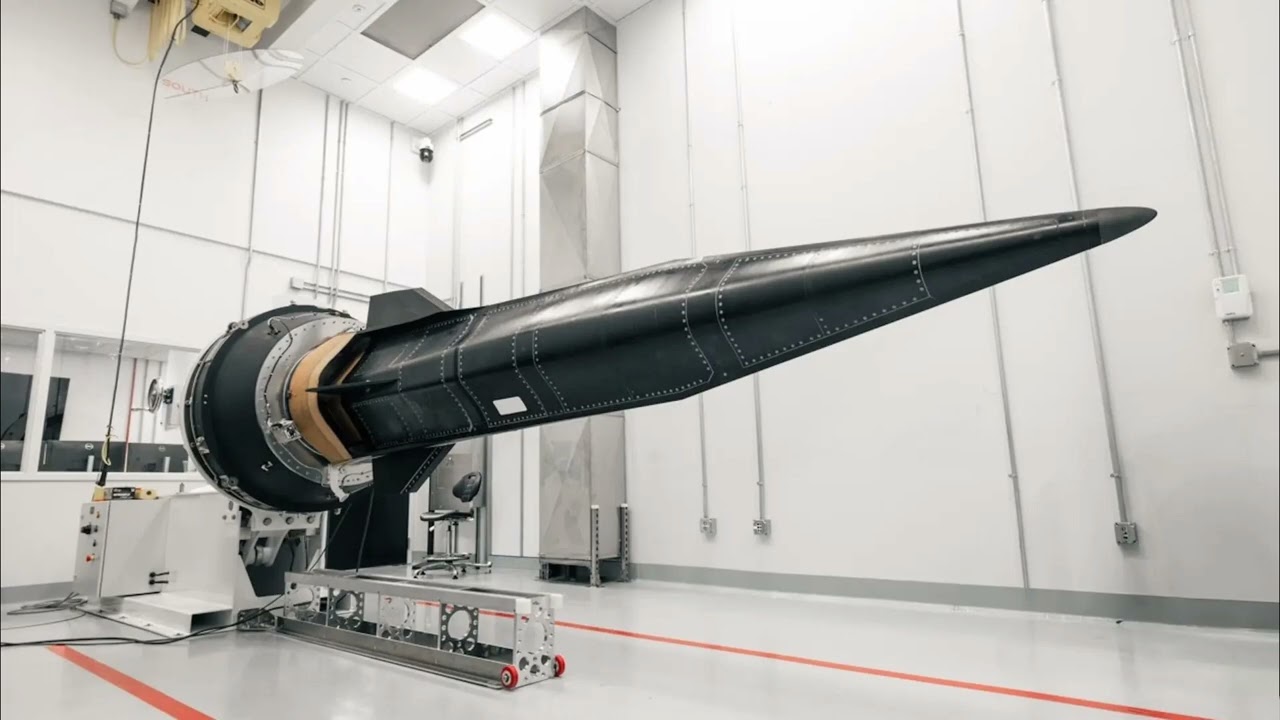
The found equipment is generally classified as autonomous underwater vehicles (AUVs) or oceanographic collection devices. Although they have legitimate scientific applications, these systems also possess dual-use capabilities, being employable in military and intelligence operations. These devices are capable of:
- Measuring temperature, salinity, and ocean currents
- Mapping the seabed with high precision
- Recording underwater noises
- Identifying navigation patterns

This data is essential for modern naval operations, especially for the functioning of submarines, which rely on detailed environmental information to move stealthily. The silent collection of this information allows countries to build strategic maps of the ocean, facilitating future military operations without the need for visible presence.
Rewards were offered by the government to encourage the return of equipment
After the recovery of the devices, fishermen who handed over the equipment to the authorities received financial rewards. This type of incentive is part of a broader program by the Chinese government aimed at national security and the protection of strategic information, encouraging civilians to report any suspicious objects found at sea.
The strategy transforms fishermen into indirect surveillance agents, expanding the state’s capacity to monitor foreign activities in its territorial waters and economic zones. This model also demonstrates how the line between civil activities and security operations has become increasingly blurred in areas considered sensitive.
The coastal region of Jiangsu province is strategic for maritime and military routes
Jiangsu province is located in one of the busiest regions of the Chinese coastline, close to intense trade routes and areas of military interest. This geographical position makes the region strategic for both international trade and naval operations.
The presence of underwater devices in this area suggests an interest in monitoring maritime flows, seabed characteristics, and vessel movements, including military ships. Additionally, proximity to important industrial and port centers further increases the region’s relevance from a geopolitical perspective.
Modern submarine warfare depends on invisible data collected continuously
Unlike traditional conflicts, modern submarine warfare is highly dependent on detailed environmental data. Submarines, for example, use characteristics such as water temperature and acoustic layers to hide or detect other vehicles.
Without updated data, the effectiveness of these operations drops drastically, which explains the growing interest in spreading sensors and autonomous devices throughout the ocean. These devices can remain at sea for long periods, continuously collecting information and transmitting data when possible.
Devices found indicate presence of foreign technology in sensitive waters
Chinese authorities classified the recovered equipment as foreign devices, although specific details about their origin and operation have not been fully disclosed.
The identification of external technology in strategic waters raises concerns about unauthorized monitoring, especially in a global context marked by geopolitical tensions and disputes over maritime influence.
Cases like this reinforce the perception that the ocean has become one of the main battlegrounds between global powers, not only on the surface but primarily at the bottom.
Similar cases show that underwater equipment is already circulating in various regions of the world
The incident in China is not isolated. In recent years, similar devices have been found in different parts of the world, including:
- Southeast Asia
- South China Sea
- Indian Ocean
These cases indicate that the use of autonomous underwater equipment has become common practice in monitoring operations. The spread of these devices suggests the existence of an invisible global network for collecting ocean data, operating beyond the direct reach of most populations.
Submarine sensor technology is becoming more accessible and sophisticated
Technological advancements have enabled the development of increasingly smaller, more efficient, and longer-lasting devices. These systems can operate for weeks or months without human intervention, utilizing autonomous navigation systems and high-precision sensors.
The reduction in costs and the increase in operational capacity expand the use of these systems for both scientific and military purposes, increasing the complexity of the global scenario.
The ocean is consolidating as one of the main fields of geopolitical dispute of the 21st century
Historically, control of the seas has always been a strategic factor. However, the current dispute goes beyond controlling routes and ports. Today, the focus is also on dominating the underwater environment, where communication cables, natural resources, and strategic data coexist.
The presence of clandestine collection devices reinforces that competition among countries is expanding into less visible dimensions, where technology and information play a central role.
Interception by fishermen reveals vulnerability of submarine operations
The fact that sophisticated equipment has been found by fishermen highlights an important vulnerability. Despite operating discreetly, these devices can still be accidentally captured, especially in areas with intense fishing activity.
This shows that even in highly technological operations, the human factor remains unpredictable and capable of interfering with complex strategies, revealing equipment that should remain hidden.
Case exposes how civilians have come to interact with espionage technology unwittingly
For many fishermen, contact with these devices occurs without any initial context about what they are finding. Equipment that appears to be simple metal objects or unknown instruments may actually be part of sophisticated operations.
This involuntary interaction between civilians and espionage technology highlights how modern geopolitics can reach ordinary people, even in traditional activities like fishing.






Made in, and for, China! 😂
Actually they are just doing by themselves… It’s their devices.