






 Portuguese
  Spanish



Measure Starts In 2028 And Could Raise Up To US$ 40 Billion To Boost Clean Fuels
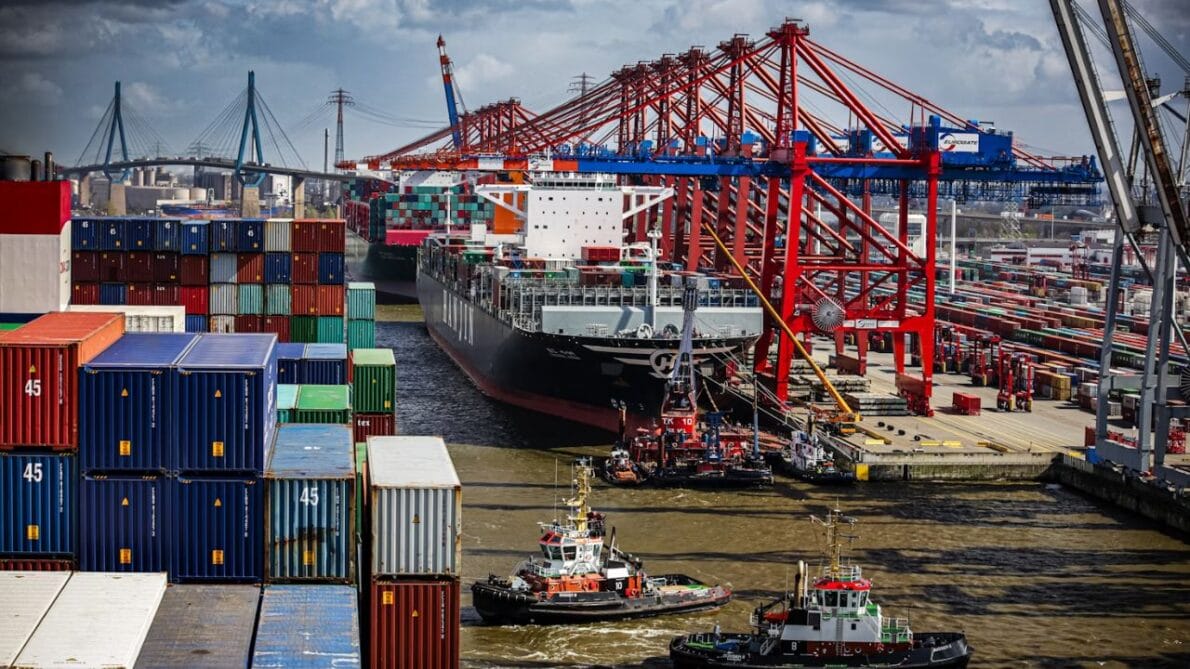
The International Maritime Organization (IMO), linked to the UN, approved a carbon taxation system for commercial vessels over 5,000 tons, marking an unprecedented advancement in the climate regulation of maritime transport. The charge starts in 2028 and promises to transform one of the planet’s most polluting sectors.
Maritime Transport Will Be Pressured By The UN To Reduce Emissions Or Pay For Pollution In The Oceans
In a historic decision, the IMO defined a global carbon pricing system that requires ships to comply with decarbonization targets. According to coverage by Interesting Engineering, vessels emitting more greenhouse gases will pay between US$ 100 and US$ 380 per ton of CO₂ equivalent. The goal of the measure is to cut emissions and accelerate the use of sustainable fuels.
It is estimated that the maritime transport sector is responsible for about 3% of global greenhouse gas emissions. Until now, it operated without any international charging system for pollution. With the new UN taxation, up to US$ 40 billion is expected to be raised by 2030, with part of the funds allocated to developing countries to finance clean energy solutions.
-
Brazilian Job Market Surprises: Unemployment Falls to 5.6%, Hits Record Low for May, Brazilian Incomes Rise, and Underemployment Reaches Lowest Level Ever Recorded by IBGE

-
Chinese E-commerce Giant Predicts Robots Will Replace 700,000 Delivery Workers as Autonomous Vehicles Expand to 200 Cities, Offering Training for Workers to Maintain Their Machines

-
Trump warns Europe with 100% tariff threat on digital tax, potentially impacting wine and trade agreements
-
As Homeownership Becomes Unattainable in Brazil, Japanese Municipalities Offer Abandoned Houses for as Low as $3,000 to Revitalize Aging, Emptying Cities


Who Pollutes More, Pays More: Categories And Economic Impacts
The measure divides ships into three groups: high, medium, and low emitters. The least polluting will be exempt and may even trade carbon credits. In contrast, the most polluting will face the maximum fee of US$ 380 per ton of CO₂.
The proposal was not unanimous. Countries like China, Brazil, the United States, and Saudi Arabia showed resistance, fearing impacts on their economies and logistics chains. Nevertheless, most IMO members voted in favor, highlighting the urgency of reducing emissions from the maritime sector.
Climate Pressure And Environmental Criticism Lead The UN To Act With A New Tax
Despite the advancement, the UN proposal did not fully please environmental entities. Critics point out that the measure is still below the necessary level to meet the Paris Agreement targets, as estimates indicate a reduction of only 8% in emissions by 2030 when the ideal would be at least 20%.
Even with its limitations, carbon taxation is considered a firm first step towards energy transition in maritime transport, a sector historically resistant to global regulatory changes.


