Portuguese
  Spanish


In Strategic Decision, OPEC+ Will Increase Oil Production to Regain Space in the Global Market and Respond to Political and Economic Pressures.
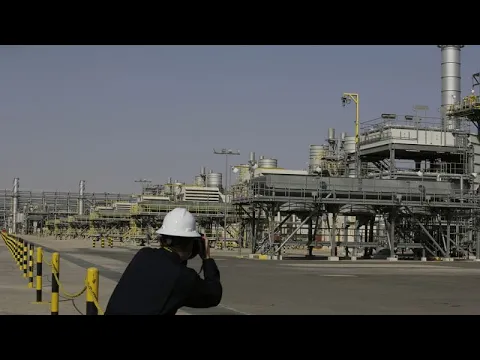
The OPEC+ decision to increase oil production after a meeting that lasted only 11 minutes reinforces the weight of this group in balancing the global energy market. The alliance, formed by the Organization of the Petroleum Exporting Countries and strategic partners, including Russia, chose to expand supply at a time of geopolitical challenges, changes in global consumption, and external pressures from the United States.
Thus, this move reveals much more than a simple short-term choice. In practice, it represents a chapter in the long history of oil politics, marked by price disputes, supply crises, and power reconfiguration in the international arena.
The Historical Trajectory of OPEC and the Creation of OPEC+
OPEC was born in 1960 in Baghdad because producing countries needed to unite in the face of the power of large international oil companies, known as the “Seven Sisters”. These companies controlled the exploration, production, and price setting of oil worldwide.
-
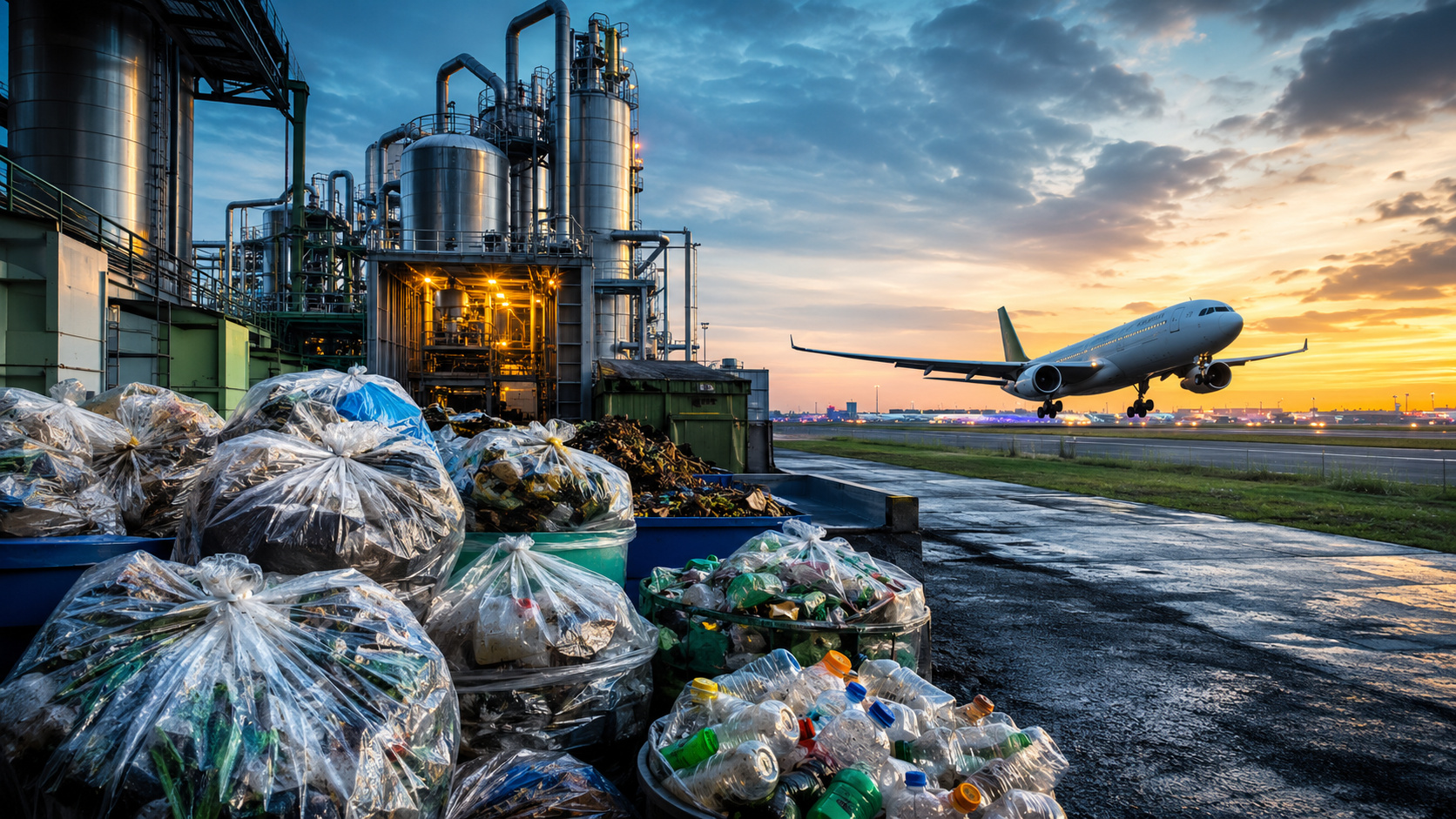
Qantas and Airbus Invest in Company Aiming to Convert Unsorted Household Trash into Jet Fuel

-
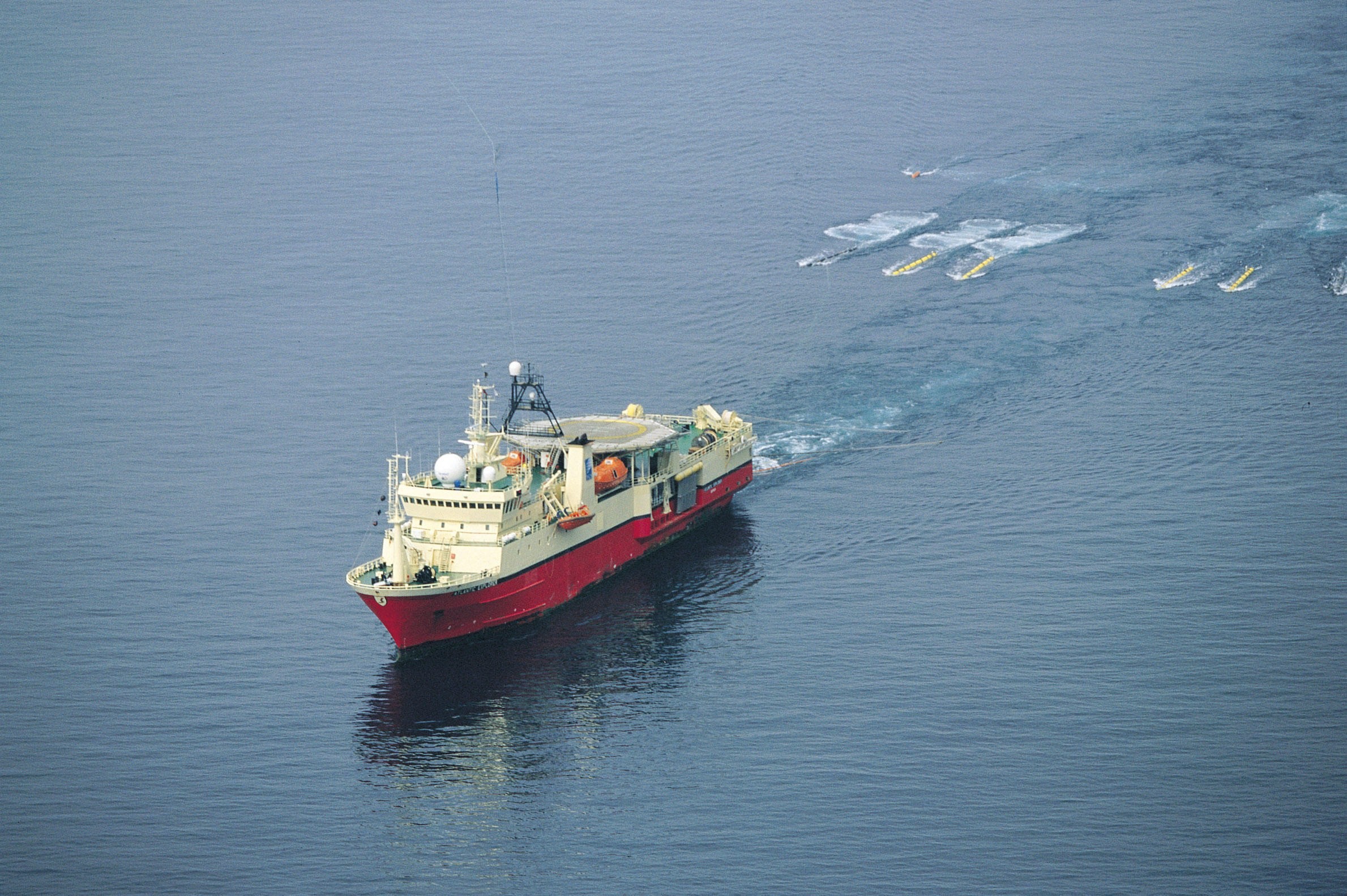
Brazil’s ANP Opens 86 New Oil Blocks in the Equatorial Margin, Expanding the Amazon River Mouth Frontier

-
OPEC+ Boosts Oil Supply by 188,000 Barrels per Day in July 2026, Leading to Price Drop from $112 to $89 per Barrel in Under Two Months

-
TotalEnergies Signs 20-Year Deal to Purchase 2 Million Tons of LNG from Alaska, Boosting Project Viability

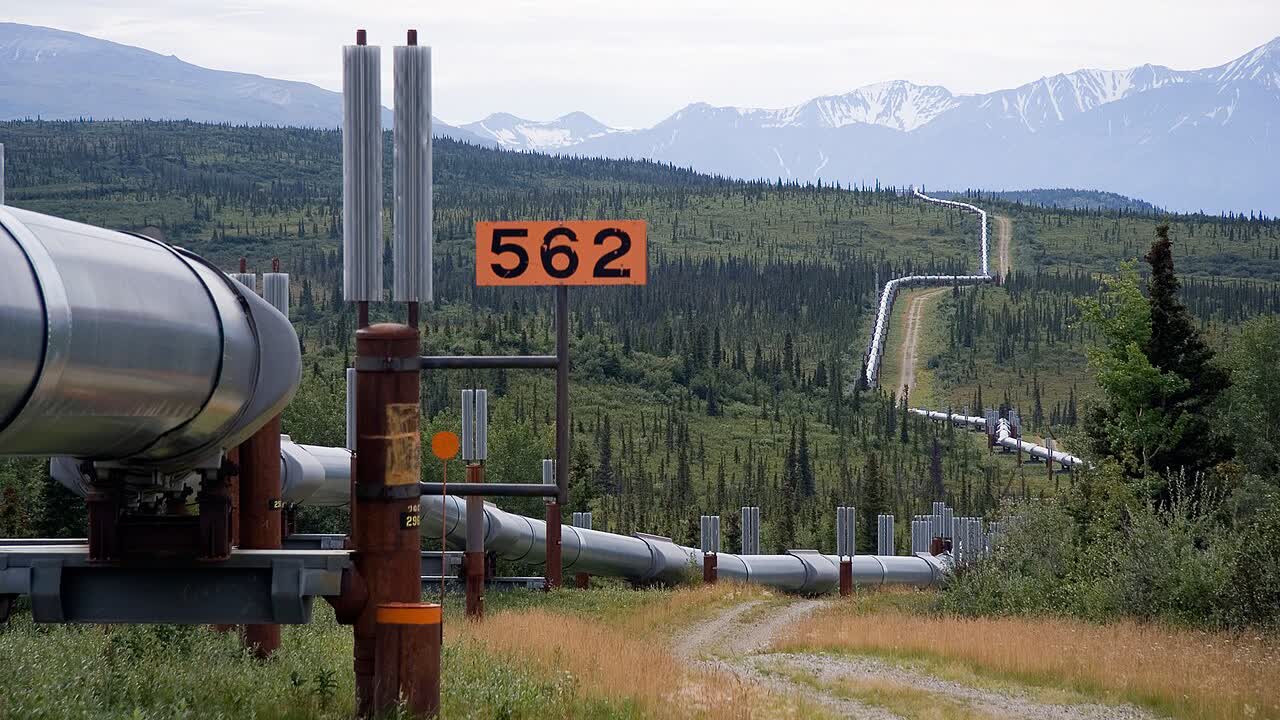
Over the decades, the organization acted at decisive historical moments, such as the 1973 oil shock. During that period, OPEC reduced supply, raised the price of crude oil to record levels, and triggered recessions in several economies.
In this way, the episode showed that oil was not just a commodity, but also a diplomatic and geopolitical weapon.
As time passed, the creation of OPEC+ in the 21st century expanded the group’s ability to negotiate. The bloc incorporated major producers that were not part of the original structure, such as Russia.
Thus, this arrangement strengthened the relevance of the alliance and transformed it into one of the main influential blocks in the energy market.
Why OPEC+ Will Increase Oil Production Now
The recent decision to increase production makes sense in this historical context. For years, OPEC+ defended supply cuts to sustain higher prices. This policy helped countries dependent on oil revenues balance their finances and fund internal investments.
However, the global scenario has changed. In 2023, oil prices accumulated a 12% drop due to increased production in several countries, uncertainties in the global economy, and trade disputes among major powers, such as the tariff war between the United States and China.
Moreover, the decline in Chinese demand is even more concerning. The Asian country has become, for decades, the main engine of global energy consumption.
Therefore, for many analysts, what is at stake is not just the supply of barrels. It involves the balance between sustainable prices and market share.
Economic and Geopolitical Impacts of the Decision
By announcing that OPEC+ will increase oil production, the group sends a strategic signal. On one hand, it aims to regain market share lost to competitors such as U.S. shale producers. Hydraulic fracturing technology has revolutionized global supply.
On the other hand, it tries to respond to political pressures, especially from the U.S. government. This government demands lower prices to reduce domestic inflation and economically weaken Russia amid the war in Ukraine.
Donald Trump, during his term, had already pressured Saudi Arabia to increase supply. Today, the geopolitical context reinforces these external demands.
In this sense, the increase anticipates an increase of about 137,000 barrels per day starting in October. However, experts warn that the real numbers may be lower.
Many OPEC+ countries do not have sufficient idle capacity to increase production. Others still need to compensate for previous supply excesses.
Thus, although official announcements have an immediate impact on the markets, the practical outcome may fall short of expectations.
The Risks of Global Overproduction
Oil is not just a commodity, but also a tool of political power. Since the second half of the 20th century, crises linked to the sector have reshaped international relations.
Furthermore, OPEC’s decisions have often altered the course of elections in importing countries. Fuel prices directly influence the cost of living for the population.
The alliance between Saudi Arabia and the United States, for example, has always relied on oil. It balanced military security interests and energy stability.
Today, with Mohammed bin Salman, Saudi Crown Prince, preparing to visit Washington, the decision by OPEC+ takes on even more relevance in the geopolitical chessboard. The increase in production acts as a gesture of goodwill amid bilateral negotiations and as a sign of pragmatism in a transforming global market.
Another important point is the warning from the International Energy Agency (IEA). With the end of summer in the Northern Hemisphere, demand tends to fall, especially in Asian economies.
Therefore, this factor puts additional pressure, as high supply may lead to sharp drops in oil prices.
Outlook for Barrel Prices
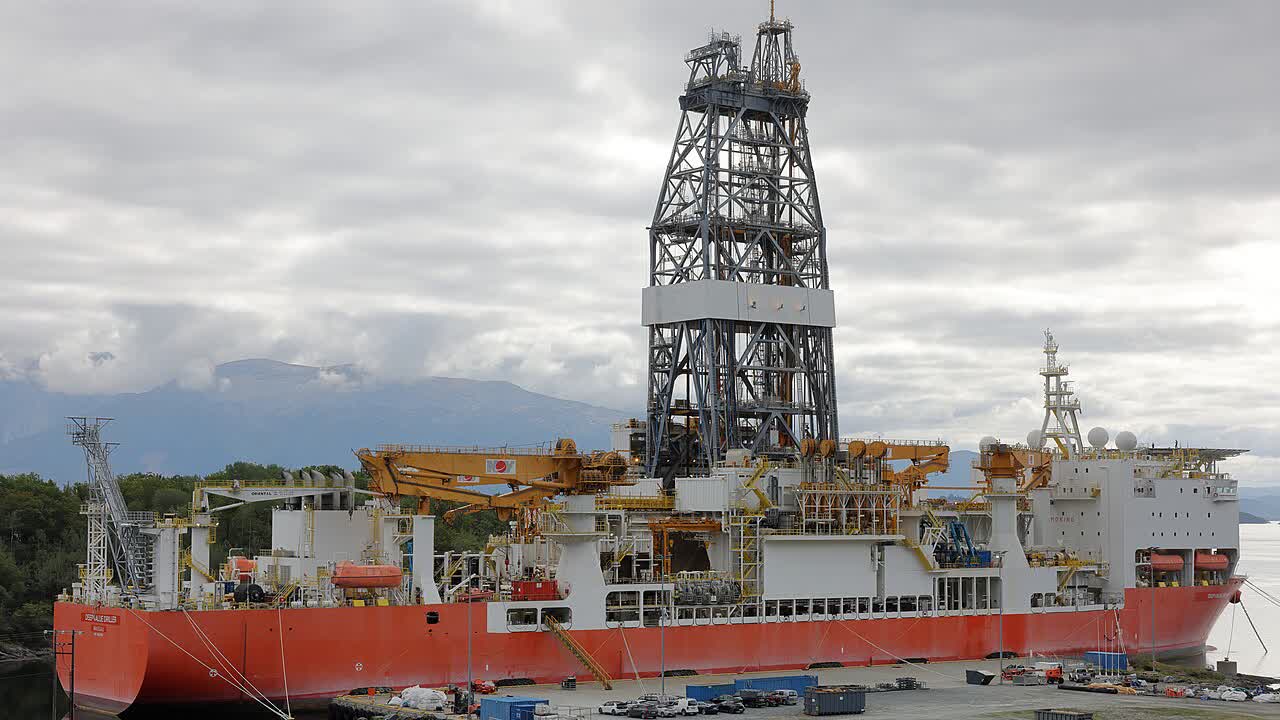
Moreover, production in countries in the Americas, such as United States, Canada, Brazil, and Guyana, is growing consistently. This set of factors reinforces the perspective of a pressured market, in which the price of oil may fall even further.
Consequently, projections from Goldman Sachs indicate that Brent may reach US$ 50 by 2026. This value represents serious challenges for countries that rely on oil as their main source of revenue.
For nations like Venezuela, Nigeria, and Angola, such a sharp decline threatens public finances and social stability. This occurs because most revenue comes directly from oil exports.
In the long run, the choice to increase supply also reduces the so-called “safety net” of OPEC+. Historically, the group has maintained idle production as protection against unexpected shocks.
However, without this cushion, markets become more vulnerable. Any disruption—whether from wars, accidents, or natural disasters—can lead to even greater volatility.
The Future of OPEC+ in Light of the Energy Transition
Despite the risks, many analysts see the strategy as a necessary adaptation. After all, the world is advancing in an energy transition characterized by the growth of renewables and decarbonization policies.
To meet climate commitments, several countries are increasing investments in wind, solar, and biofuels. This reduces the pressure on fossil fuels.
Although oil remains essential, especially in transportation and the petrochemical industry, governments and companies are focusing more efforts on clean energy.
Therefore, OPEC+, by accelerating production now, may be anticipating a future where the structural demand for oil loses strength definitively.
In this sense, the increase in production may signify not just a conjunctural response. It may also represent a attempt to monetize reserves before they lose value.
For many experts, the current rush to sell barrels connects to the perception that the era of abundant and expensive oil may be coming to an end.
A Strategic and Unpredictable Decision
The Saudi Energy Minister, Prince Abdulaziz bin Salman, has a history of surprising the market with unexpected decisions. Therefore, the announcement of an increase at such a quick meeting reinforces this posture of unpredictability.
This practice is used to disorient speculators and maintain OPEC+ as a central player in the energy sector.
Thus, analysts who expected the maintenance of production levels were surprised by the choice. The move demonstrates the group’s capacity to influence expectations even in an environment of increased competition.
Moreover, this strategy of keeping the market on alert functions as a tool of power. It prevents rivals from safely planning their own expansion strategies.
In the end, the statement “OPEC+ will increase oil production” encapsulates a decisive moment for global energy policy. After all, the alliance seeks not only to meet immediate demands but also to reposition itself in light of new challenges.
The balance between maintaining revenues, preserving geopolitical influence, and dealing with structural market transformations will be key to understanding the next steps of the organization.
As in other phases of history, oil continues to act as a guiding thread of international relations. It directly impacts the global economy and the daily lives of millions of people.
Therefore, the decision today will be recorded not just as a technical adjustment of supply. It will also mark the moment when OPEC+ reaffirmed its ability to dictate the course of global energy.