Portuguese
  Spanish


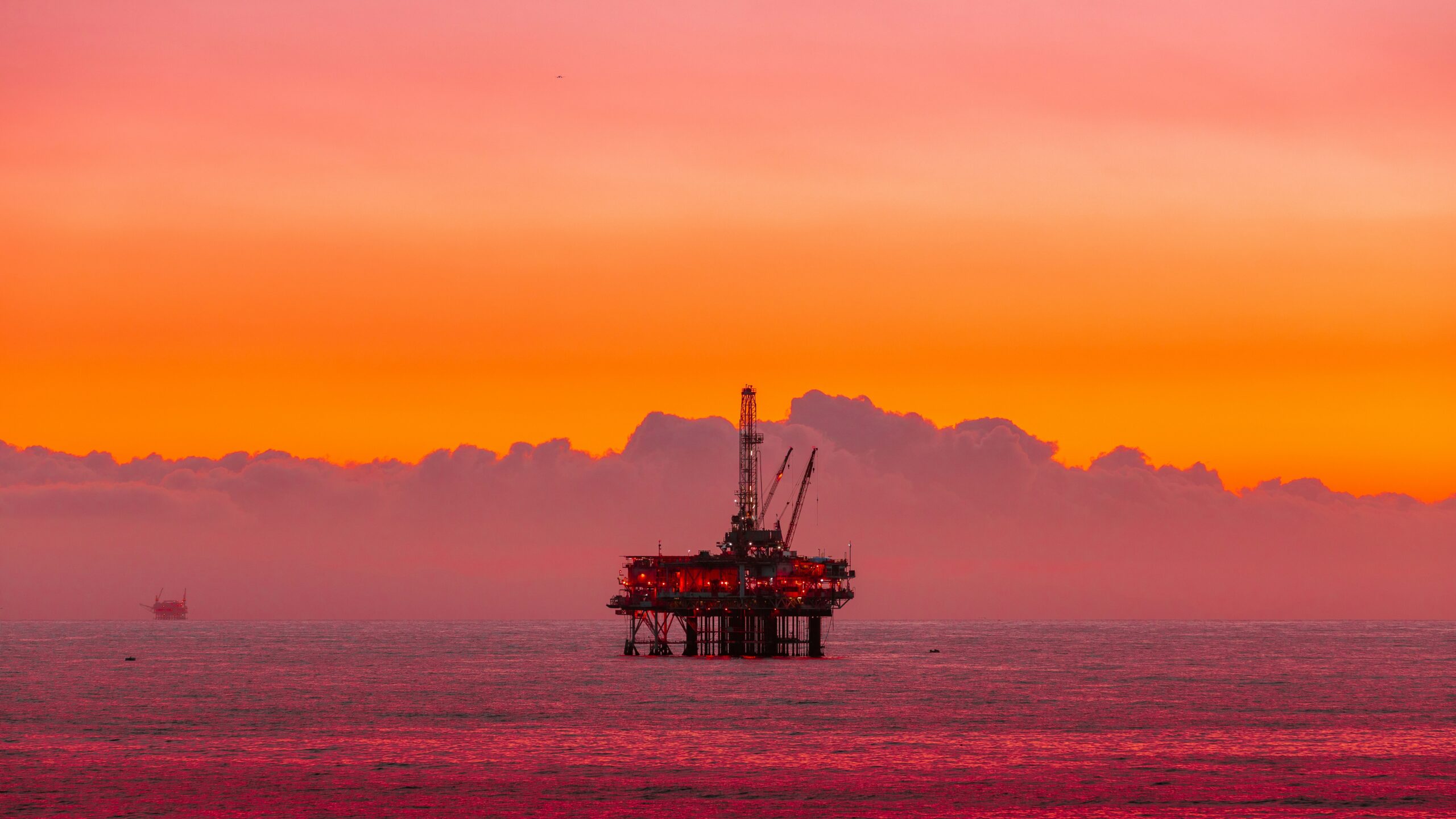

The stability of the global oil market has returned to the forefront after new warnings from international experts. A recent report published by The Economist, echoed by Estadão, points out that the oil and natural gas markets are on the brink of disaster, driven mainly by geopolitical tensions in the Middle East and critical energy supply bottlenecks.
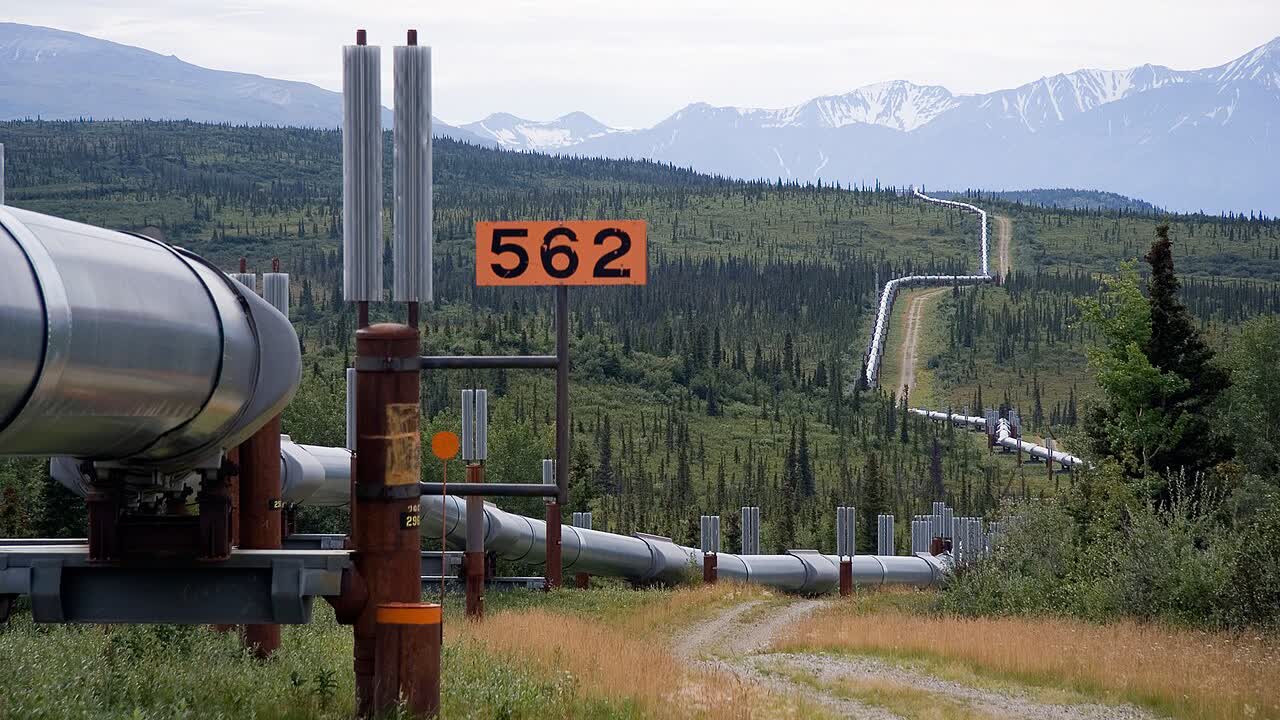
Right at the beginning of the analysis, experts highlight that the possible prolonged blockade of the Strait of Hormuz — one of the world’s most strategic routes for oil transportation — is already causing severe effects on the global energy flow. The partial interruption of this maritime corridor has drastically reduced the circulation of barrels and compromised supply in various regions.
At the same time, the current scenario is not limited to an isolated event. On the contrary, it exposes a structural fragility of the global energy sector, which heavily relies on unstable geopolitical regions to ensure a continuous supply of oil.
-
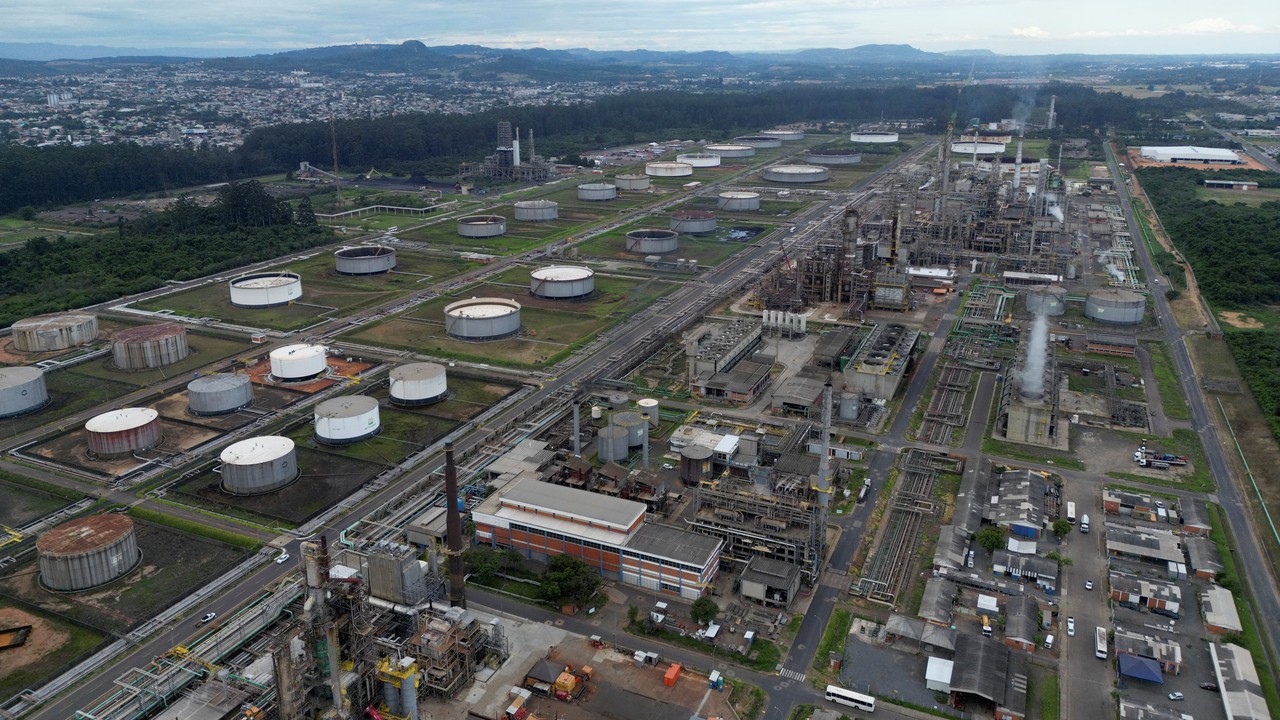
With a record production of nearly 3 million barrels per day, Petrobras resumes importing diesel in July, highlighting the bottleneck in Brazilian refining.

-
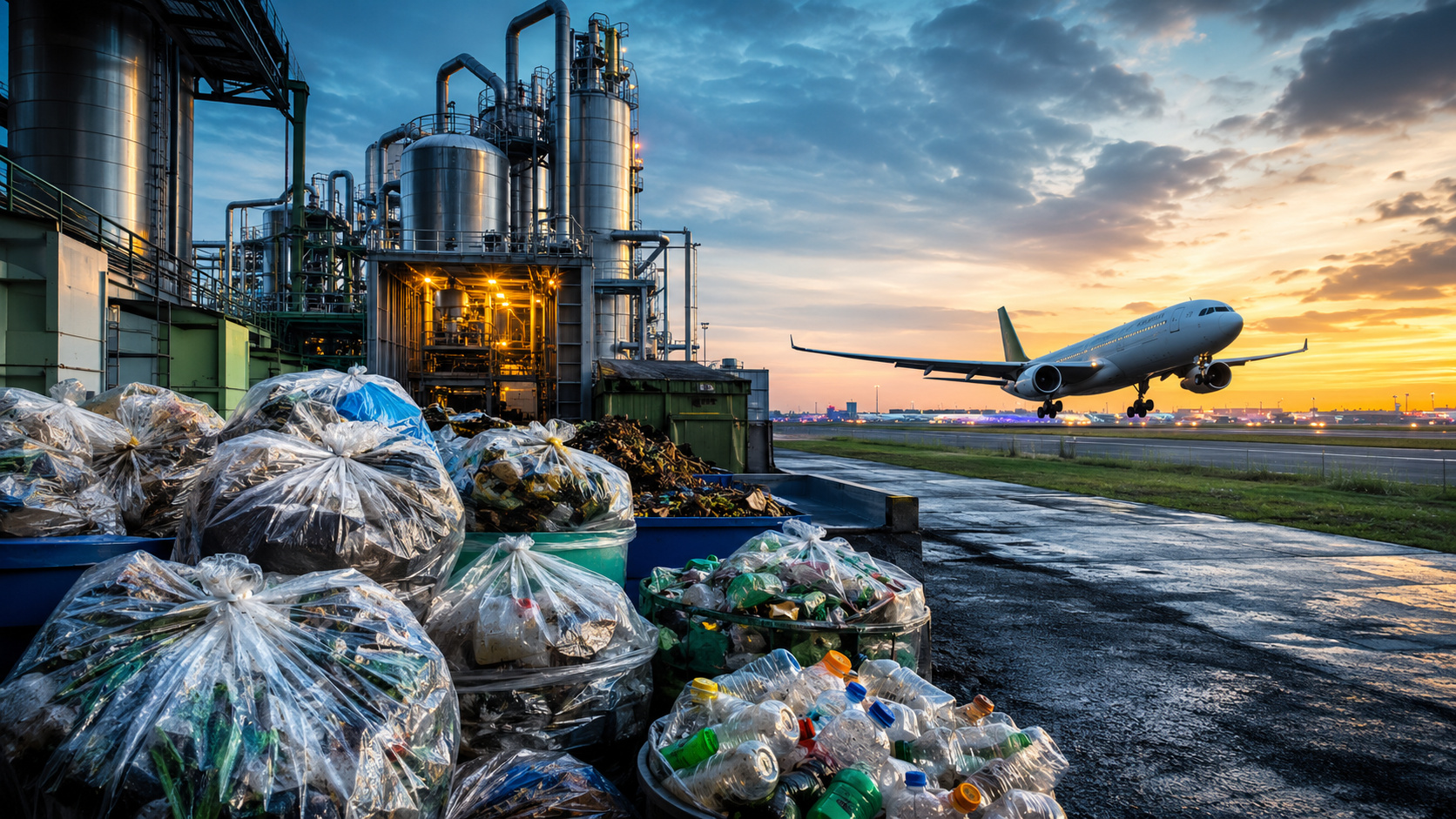
Qantas and Airbus Invest in Company Aiming to Convert Unsorted Household Trash into Jet Fuel

-
Brazil’s ANP Opens 86 New Oil Blocks in the Equatorial Margin, Expanding the Amazon River Mouth Frontier

-
OPEC+ Boosts Oil Supply by 188,000 Barrels per Day in July 2026, Leading to Price Drop from $112 to $89 per Barrel in Under Two Months
Understand why oil has returned to be the center of an unprecedented global crisis
The global oil market has always responded sensitively to international conflicts. However, the current context brings together a combination of factors that intensify the risk:
- Sudden reduction in global supply due to logistical blockades
- Military conflicts in the Middle East, especially involving Iran
- Limited immediate response capacity from other producers
- Global dependence on strategic routes, such as the Strait of Hormuz
According to recent data, the blockade of this route already represents the monthly loss of hundreds of millions of barrels of oil in the international market, in addition to millions of tons of liquefied natural gas.
This type of interruption not only raises prices but also generates a domino effect throughout the global production chain.
Furthermore, experts emphasize that oil continues to be one of the pillars of the global economy. Even with the advancement of renewable energies, the sector still moves trillions of dollars and supports areas such as transportation, industry, and the production of essential goods.

Geopolitical conflicts increase pressure on oil prices
The war involving Iran and tensions with the United States have significantly raised the so-called geopolitical risk, which directly influences the price of oil.
When there is instability in producing regions, the market reacts quickly:
- Investors increase their perception of risk
- Importing countries seek emergency stocks
- The price of the barrel rises rapidly
- Global inflation tends to increase
This behavior has been observed recently when oil recorded a significant rise amid the escalation of the conflict, impacting stock markets and monetary policies around the world.
Moreover, even when signs of a truce emerge, the market does not stabilize immediately. The resumption of oil flow occurs gradually, prolonging volatility and keeping prices under pressure.


Lack of reserves and limited logistics increase the risk of global shortages
Another critical point highlighted in the report involves the low responsiveness of the global energy system in the face of supply shocks.
Although countries and international organizations can release strategic reserves, this solution is often temporary. In recent crises, billions of barrels were released to contain rising prices, but the effect did not fully stabilize the market.
Among the main current bottlenecks, the following stand out:
- Limited infrastructure for oil transportation
- Dependence on a few critical logistics corridors
- Difficulty in quickly replacing lost supply
- Low stock levels in some strategic regions
Additionally, natural gas — often associated with oil — presents even greater vulnerabilities, especially due to the difficulty of transportation and large-scale liquefaction.

Direct impacts of expensive oil on the global economy and daily life
When oil prices rise, the impact is not limited to the energy sector. In practice, it spreads throughout the economy.
Among the main effects, the following stand out:
- Increase in fuel prices, affecting transportation and logistics
- Rise in food prices, due to increased production and distribution costs
- Global inflationary pressure, reducing purchasing power
- Interest rate hikes, making credit and investments more difficult
- Risk of economic slowdown or recession
This chain effect occurs because oil influences nearly all productive sectors, directly or indirectly.
Moreover, countries more dependent on energy imports tend to suffer even greater impacts, with deterioration of external accounts and increased cost of living.
Energy transition cannot compensate for the role of oil in the short term
Despite the growth of renewable energy, experts warn that the energy transition still cannot replace oil on a large scale.
This happens for several reasons:
- Renewable infrastructure still insufficient
- High initial implementation costs
- Dependence on developing technologies
- Global demand still heavily based on fossil fuels
At the same time, the sector is facing a significant shift in the investment profile. Oil companies have begun to adopt a more cautious stance, prioritizing financial returns and reducing expansion projects.
This movement, while positive from a financial perspective, may reduce future supply capacity, further exacerbating crises like the current one.
Why the oil scenario worries analysts and governments around the world
The alert of “imminent disaster” does not arise by chance. It reflects a rare combination of critical factors:
- Restricted supply + high demand
- Persistent geopolitical conflicts “`
- Low immediate responsiveness
- Vulnerable infrastructure
Furthermore, the oil market operates in a highly interconnected way. This means that any significant disruption can generate global impacts within a few days.
Another relevant point involves recovery time. Even if the conflict is resolved quickly, experts indicate that the effects on the energy market could last months — or even years.

What to expect from the future of oil in this unstable scenario
While it is difficult to accurately predict market behavior, some possible scenarios are already on the radar:
- Maintenance of high prices in the short term
- High volatility in international markets
- Pressure on global economic policies
- Gradual acceleration of the energy transition
On the other hand, any concrete sign of geopolitical stabilization could lead to rapid price drops, showing how the market remains extremely sensitive.
Still, the consensus among experts points to a prolonged period of uncertainty, with oil maintaining a central role in global economic decisions.