Portuguese
  Spanish


In 2025, The Number Of Billionaires Around The World Exceeded 3 Thousand, Reflecting The Concentration Of Wealth In Only A Few Countries, With The USA, China And India Dominating The Global List
In 2025, the total number of billionaires on the planet surpassed 3 thousand, totaling a global wealth of US$ 16.1 trillion. However, this fortune is far from being equal among countries. Only three nations are home to more than half of these billionaires and their respective wealth, while several others have only one member of this select group.
US Leadership: The Leading Economic Power
The United States continues to lead the global ranking, with 902 billionaires and a combined wealth of US$ 6.8 trillion. Among the most prominent figures are Elon Musk, Mark Zuckerberg, and Jeff Bezos, reinforcing the USA’s position as the main wealth hub on the planet.
Almost a third of the world’s billionaires are American, further solidifying the concentration of wealth in the country.
-
Brazilian Executive Takes Helm of Heineken Amid Decline in Sales: 51-Year-Old Has Led Operations Across Four Continents and Managed a $7 Billion Empire

-
Brazilian Actress Turns Waxing Clinic into 400-Unit Chain with $50 Million Revenue, Sells Stake After 13 Years
-
Major Company Shuts Down 70-Year-Old Factory in Brazil, Relocating Production and Impacting Over 100 Families
-
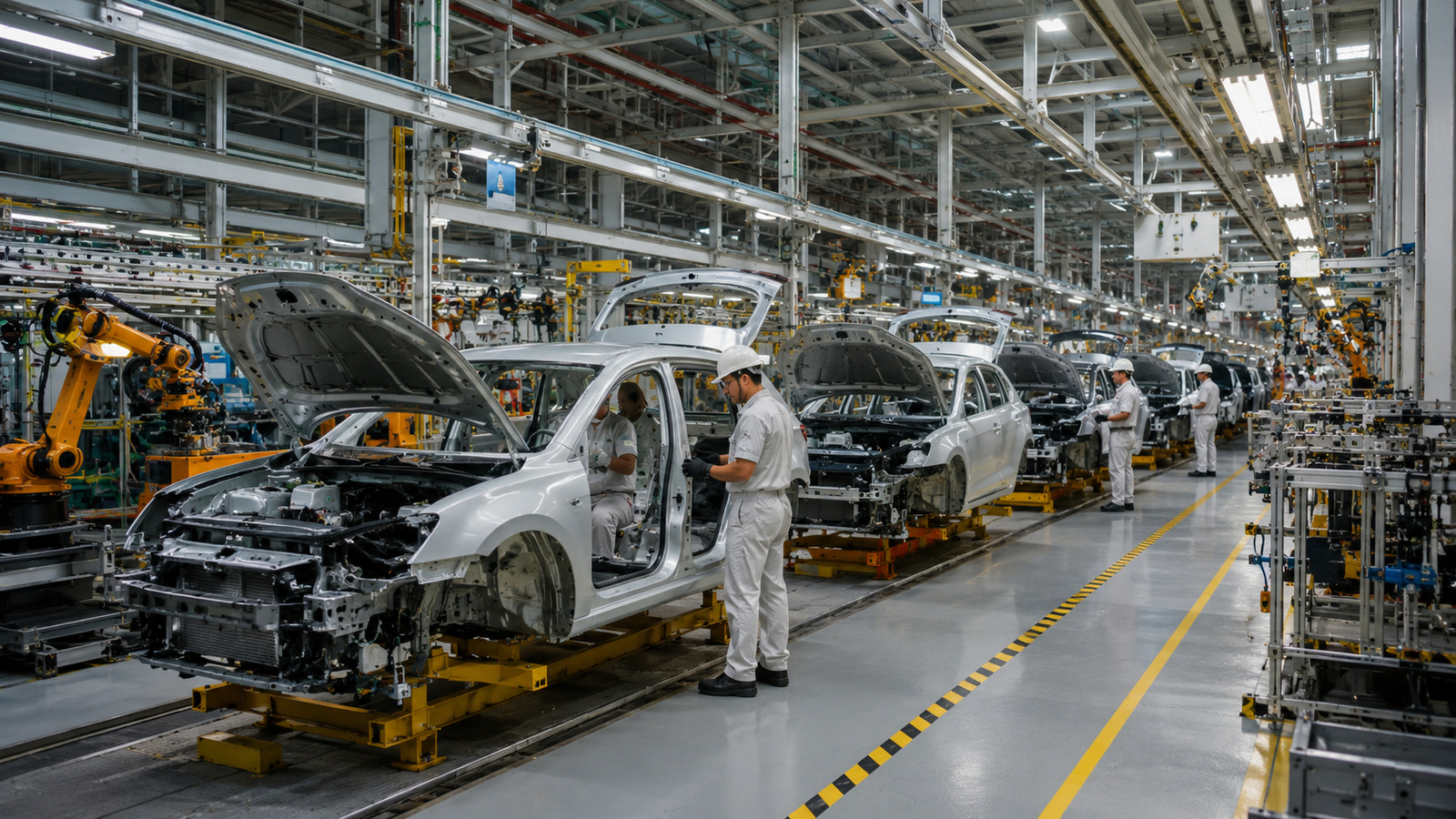
Toyota Shuts Down Brazilian Plant After Producing Over 1 Million Vehicles, Plans Special Destination for Final Corolla Produced Following $2.1 Billion Investment and Expansion.


China: Growth And Challenges In The Billionaire Market
China ranks second with 450 billionaires, whose total wealth amounts to US$ 1.7 trillion. Although there has been a significant increase in the number of billionaires, the figure remains below the record of 495 registered in 2023.
The economic growth and technological innovation continue to be the main drivers of wealth creation in the country. China thus maintains a strong presence in the ranking but has not achieved the expected growth compared to the previous year.
India: Decline In The Wealth Of The Richest Billionaires
India, the country with the largest population globally, ranks third with 205 billionaires. The total value of these individuals’ fortunes amounts to US$ 941 billion, representing a slight decrease compared to the previous year.
The instability in the stock market has directly impacted the fortunes of the two richest men in the country, Mukesh Ambani and Gautam Adani. Despite its large population and an expanding economy, India faces economic challenges that affect wealth distribution in the country.
Europe: Growth And Changes In Local Economies
In Europe, Germany stands out with 171 billionaires and a total wealth of US$ 793 billion. The growth in the number of billionaires in the country reflects Germany’s economic resilience, which continues to be an important financial center, led by names such as Dieter Schwarz and Klaus-Michael Kuehne.
Additionally, smaller countries like Albania have seen the emergence of new billionaires, such as Samir Mane, indicating an expansion of wealth to regions that were previously underrepresented.
The Mobility Of Billionaires: Countries That Gain And Lose Representatives
Another interesting fact is the return of Peru to the global list, with mining magnate Eduardo Hochschild. This shows how billionaires can emerge and disappear from different countries, reflecting changes in local economies and industries.
However, countries like Uruguay, Panama, and Bangladesh have lost their billionaire representatives, pointing to the economic volatility that impacts the concentration of global wealth.
The Future Of Billionaire Distribution: Trends And Challenges
The global billionaire landscape is constantly changing, driven by economic, technological, and political factors. The concentration of wealth in a few countries is a growing trend, but the emergence of billionaires in new regions may signal gradual diversification.
The future of this distribution will be determined by technological innovation, fluctuations in financial markets, and the political dynamics of each country.
As this concentration of wealth advances, the discussion about its social and economic impact will continue to be an important topic. The increasing inequality generated by this concentration of economic power is likely to influence public policies and business strategies in the future.
With information from Correio Braziliense.