Portuguese
  Spanish


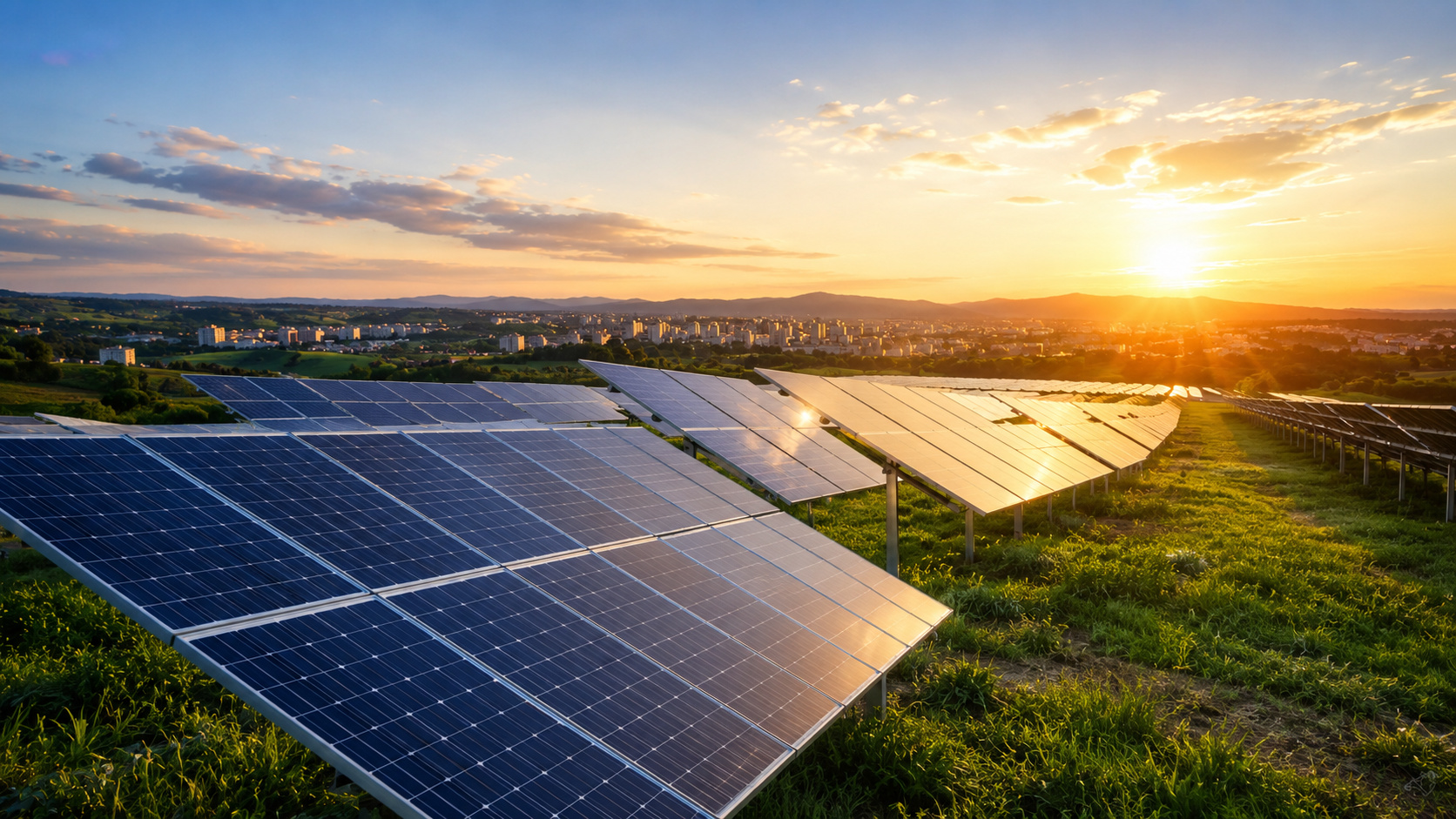

Solar energy generation in Brazil reached a historic milestone in June 2026. Data released by the Brazilian Photovoltaic Solar Energy Association (ABSOLAR) show that the source reached 55 gigawatts (GW) of operational installed capacity, consolidating itself as the second largest source in the national electricity matrix.
With this result, solar energy now represents about 22.2% of all installed electric generation capacity in the country, second only to hydroelectric plants. The advancement reinforces the role of technology in diversifying the Brazilian energy matrix and expanding renewable sources.
Moreover, the growth occurs at a time of increasing demand for sustainable energy solutions, both by residential consumers and by companies and rural producers.
How the 55 GW are distributed
The installed capacity of 55 GW comprises two types of solar generation.
-
Solar energy can increase property value by up to 10% and become a selling point.

-
Solar and wind energy surpass natural gas for the first time in the world and accelerate energy revolution

-
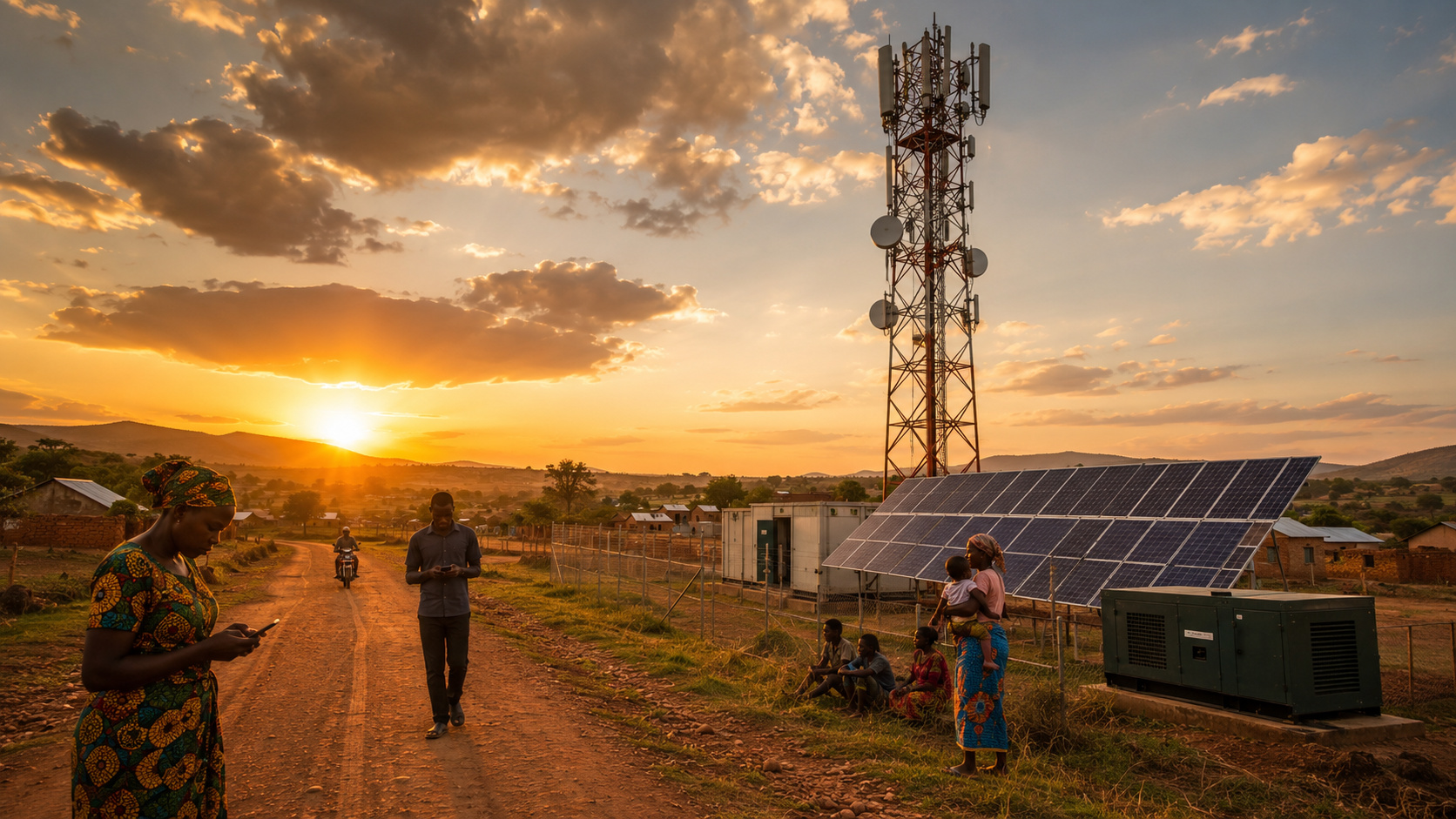
Africa has about 500,000 cell towers and most still burn diesel to operate, while companies rush to cover antennas with solar energy and avoid signal blackouts.
-
Farmers swapped diesel for solar panels in Pakistan, powered irrigation pumps almost cost-free, expanded rice fields, and now groundwater has become a red alert in the countryside.



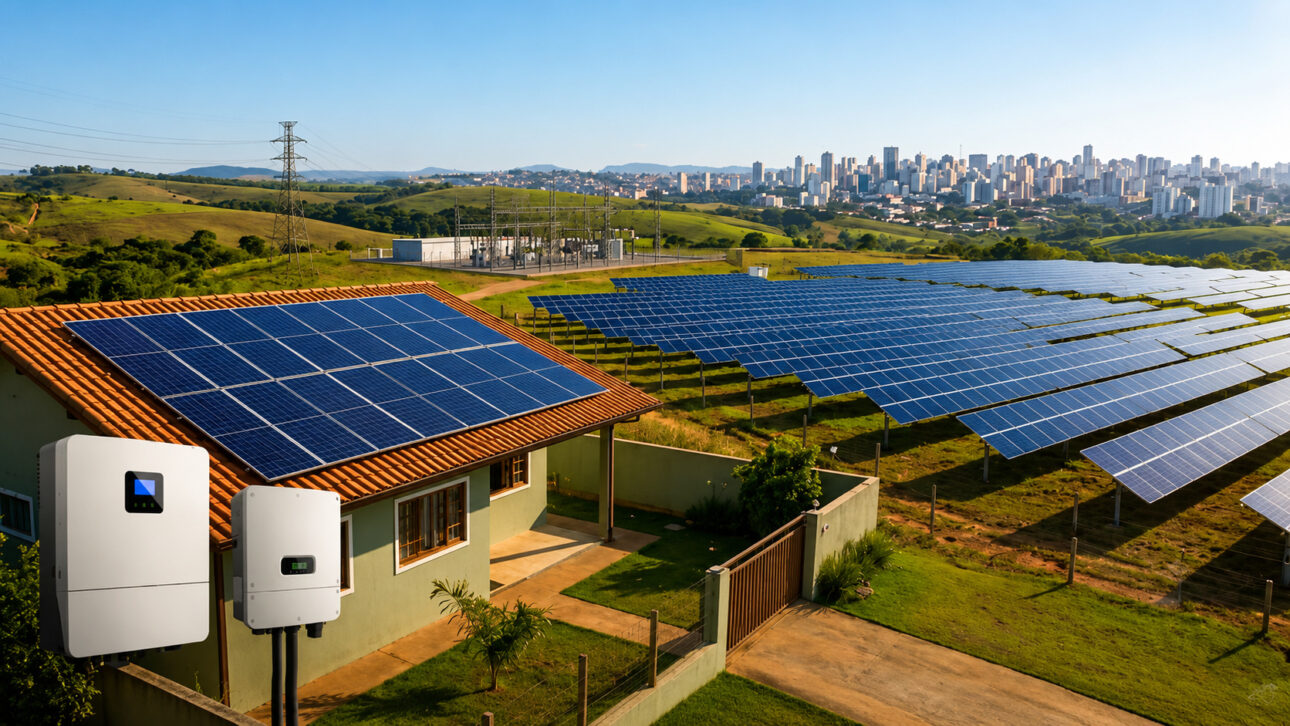
The first is distributed generation, mainly consisting of systems installed on rooftops of residences, businesses, rural properties, and small companies. Currently, this type accounts for about 37.4 GW of the total power.
The second type corresponds to large solar plants connected to the National Interconnected System (SIN). These structures add up to approximately 17.6 GW of operational capacity.
Thus, the expansion of solar energy does not rely solely on large enterprises but also on the growing adoption by millions of consumers who produce their own electricity.
More than 5 million consumer units are benefited
The growth of the solar source is also evident in the number of consumers served.
According to ABSOLAR, more than 5 million consumer units are already benefiting from distributed generation throughout the country. This includes residences, commercial establishments, rural properties, industries, and public agencies.
Furthermore, the technology is present in more than 5,500 Brazilian municipalities, reaching practically all regions of the national territory.
Among distributed generation consumers, residences represent the largest share of installations, followed by commercial establishments and rural properties.
Investments exceed R$ 251 billion
The advancement of solar energy also drives the Brazilian economy.
Since 2012, the sector has attracted more than R$ 251 billion in private investments, according to a survey by ABSOLAR. Additionally, the photovoltaic energy production chain has generated over 1.6 million jobs throughout the period.
The investments cover various stages of the market, including equipment manufacturing, system installation, maintenance, engineering, project development, and plant operation.
As a result, the expansion of the solar source has begun to exert a direct influence on the economic development of different regions of the country.
Source helps reduce carbon emissions
Another highlight involves the environmental benefits.
According to ABSOLAR’s calculations, solar energy generation has already avoided the emission of approximately 66.6 million tons of carbon dioxide (CO₂) in electricity production.
Furthermore, the technology helps reduce dependence on fossil sources, especially during periods of higher energy demand.
For this reason, industry experts point to solar energy as one of the main tools to support the energy transition and the climate commitments assumed by Brazil.
Growth continues at a fast pace
The numbers show that the expansion is still far from slowing down.
In the first months of 2025 alone, Brazilian consumers installed more than 147,000 new solar systems. These installations began to supply about 228,000 additional properties across the country.
Additionally, approximately 1.6 GW were added to the national installed capacity just at the beginning of that year.
This pace demonstrates that the demand for photovoltaic systems remains high, driven by the search for savings on electricity bills and greater awareness of sustainability.
Challenges still concern the sector
Despite the positive results, the market faces some obstacles.
ABSOLAR warns that project cancellations by energy distributors and difficulties related to compensation for cuts in the generation of large plants may limit an even greater expansion of the solar source.
Furthermore, industry representatives advocate for regulatory advances and investments in electrical infrastructure to keep up with the growth of renewable generation.
According to the entity, these measures can ensure greater legal security and stimulate new private investments.
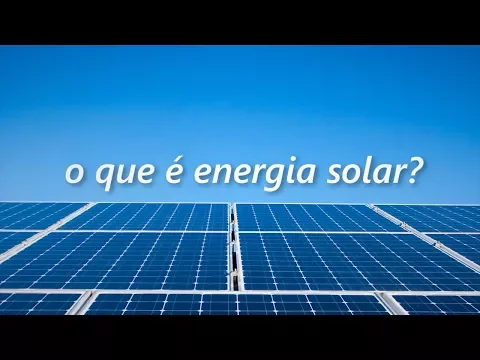

Solar energy gains prominence in the Brazilian matrix
The milestone of 55 GW confirms the transformation of solar energy into one of the main sources of electricity in Brazil.
Just over a decade ago, the technology’s participation in the national electricity matrix was considered modest. Today, the source occupies the second position among all forms of generation installed in the country.
Moreover, the advancement demonstrates how the combination of technological innovation, reduced equipment costs, and consumer interest has driven the sector’s expansion.
With new projects in development and millions of consumers adhering to self-generation, the expectation is that solar energy will continue to expand its participation in the coming years.