






 Portuguese
  Spanish


Know The Trajectory Of Malves, Manufacturer Of Malves Tractors And Heavy Machines From Piracicaba That Dared To Challenge Giants, But Succumbed To An Exacerbated Crisis By A Bank.
Malves was one of the biggest bets of the national heavy machinery and tractor industry. Founded in São Paulo, the company quickly gained prominence, exporting to Africa and Latin America, becoming a source of pride for Brazil. However, its growth trajectory was abruptly interrupted.
This article dives into the history of Malves Tractors, from the vision of its founder in an industrializing Brazil to its disappearance. We will explore how the company innovated, grew, and ultimately faced a fatal crisis, where Banco Itaú is pointed out as one of those responsible for its end.
The Birth Of Malves Tractors In Piracicaba
In the 1940s and 1950s, Brazil was predominantly rural, with industrialization just beginning. Governments like those of Getúlio Vargas (with BNDE, now BNDES) and Juscelino Kubitschek encouraged national industry and infrastructure. In this climate of optimism and modernization, the capital of São Paulo and the surrounding region, already with agricultural and industrial tradition, became fertile ground for new factories.
-
Rural Worker Spotted “Flying” on a Drone in Brazil

-
Turkish Cave Suggests Neanderthals and Homo Sapiens Shared Cultural Traditions for Millennia; Discovery Unveils Similar Tools, Hunting Techniques, and Shells at a Major Prehistoric Site
-
Burkina Faso Bans NGOs from Photographing Vulnerable People Without Consent and Outlaws Fundraising Campaigns Exploiting Suffering
-
Giant Earthworms up to 2 Meters Long Secretly Sustain Fertility in the Amazon Rainforest




It was in this context that Manuel Ferreira da Veiga Alves, in the 1950s, saw an opportunity. Brazil relied on expensive imported heavy machinery that was difficult to maintain. Even before founding Malves, Manuel was already adapting English agricultural tractors from David Brown, turning them into handmade graders that worked well and attracted attention.
The First Successes And The Nationalization Of Malves Tractors
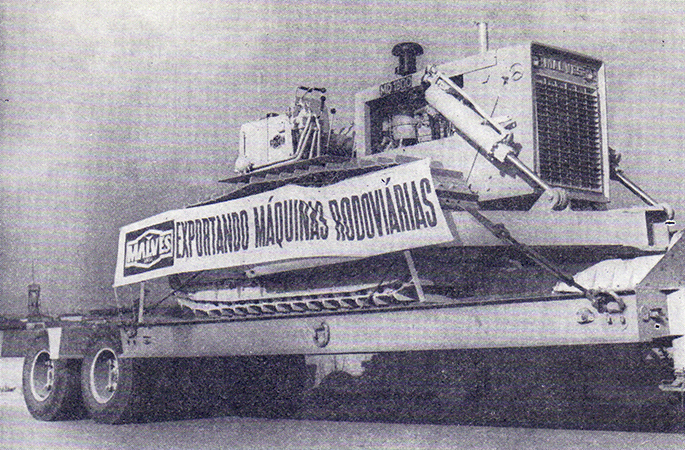
In August 1960, Malves Comércio e Indústria de Máquinas Ltda. was officially born. Manuel knew he needed to create something of his own and invested in innovation, replacing the heavy mechanical system of the graders’ blades with hydraulic controls, making the machines easier to operate and more efficient. When David Brown tractors ceased production, Malves sought solutions in Romania, importing and studying machines from Eastern Europe.
This research led to the motoniveladora UD5 in 1962, the first piece of equipment with a proprietary brand from Malves, selling 120 units in four years. In 1964, the UD80 came along, with more national components, a Mercedes-Benz engine of 80hp and a five-speed transmission, selling about 100 units and consolidating Malves as a respected Brazilian brand.
At The Peak Of Production
Malves continued its journey of nationalization and innovation. In 1969, it launched the MD100, its first 100% Brazilian grader, with a Mercedes-Benz engine of 105hp and an eight-speed reversible transmission. Two years later, it introduced the MD120, more powerful, with 120 horsepower. These robust machines made their mark on major projects across the country.
In the same year of 1969, the company entered the crawler tractor market with the MD850. This heavy tractor, with a Mercedes-Benz engine and high levels of nationalization, sold 200 units in less than a year. Even though the government preferred other companies in an incentive program, the firm did not back down, and by 1972 it was already the third largest exporter of machinery in Brazil, with Malves tractors crossing borders into Latin America and Africa.
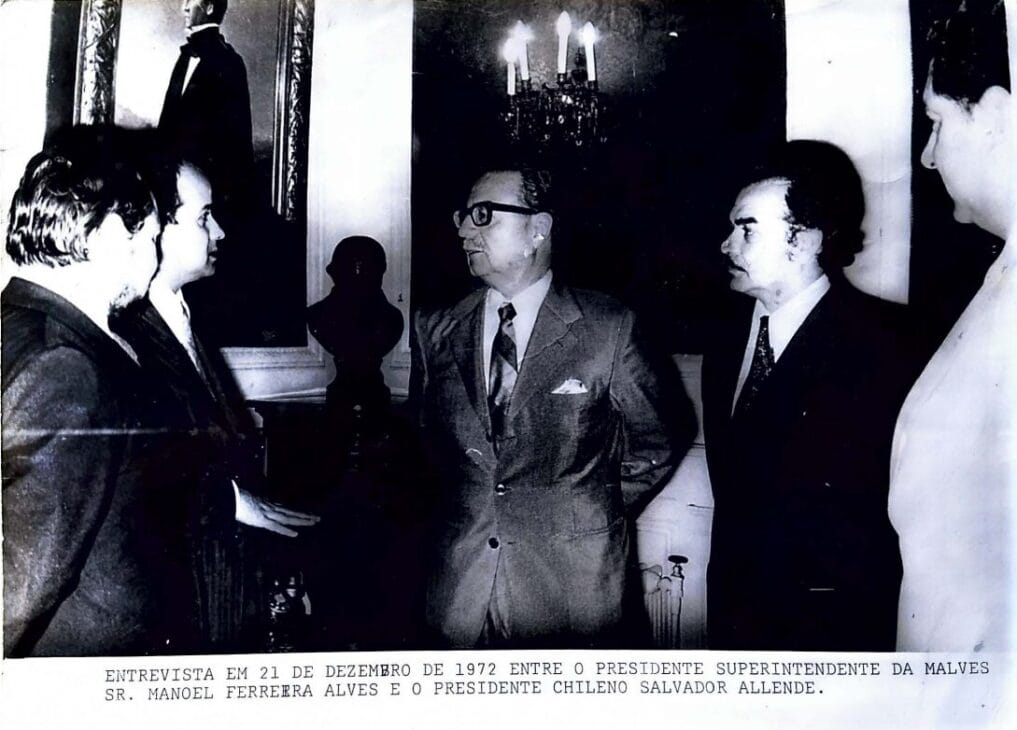
How Financial Problems And A Banking Conflict Led To The End Of Malves Tractors
Malves planned to expand even further, with the crawler tractor MD1800, industrial forklifts (in partnership with Bulgaria and a factory in Campinas) and prototypes of excavators. It also launched the smaller MD700 and the powerful MD2100, with a Cummins engine. However, production costs were rising, inflation was high, and multinationals were entering the market with more modern and economical machines.
In 1974, a blow shook the company: Banco União Comercial, its partner, was bought by Banco Itaú. Itaú accused Malves of irregularities, broke contracts, blocked accounts, and halted the import of essential parts from Romania and Bulgaria, paralyzing production. Malves estimated losses of 10 million dollars per month, making the situation unsustainable.
A Story Of Boldness And Nostalgia In The National Industry


Despite Malves’ attempts to prove its compliance and negotiate, the crisis worsened. In 1978, the company attempted to return tractors to Romania to offset debts, but Itaú blocked the operation again. With overdue salaries and breached contracts, Malves filed for preventive bankruptcy in April 1978. The legal battles with Itaú, which Malves accused of withholding actions that could have saved the company, and the account blockages led to bankruptcy, declared in January 1982.
Piracicaba felt the impact, and Malves’ warehouses fell silent. However, many Malves tractors endured over time and still operate throughout Brazil, serving as a reminder of a time when the national industry dared to dream big and compete in the heavy machinery market. The story of Malves Tractors is a mark of innovation, growth, and a crisis that left nostalgia.





Parabéns pelo relato da história, aqui em coronel João Sá Bahia,na fazenda de minha família, existe um em pleno funcionamento até hoje, muito valente não quebra.
Zé Carlos
O sistema financeiro é o câncer do Brasil. Não importa se privado ou público, no começo, até parece que o dinheiro emprestado por eles nos auxilia, mas com o tempo, nos tornamos reféns deles. Por isso aconselho qualquer pessoa que queira empreender no Brasil, a ficar longe dos bancos. Por experiência própria, eu nunca mais vou entrar num banco pra pedir dinheiro.
Foi assim, Malves,Gurgel..governo não apoia empresa nacional e deixa tudo acabar..Brasil mostrando sua cara!kkkkkkkk