Portuguese
  Spanish


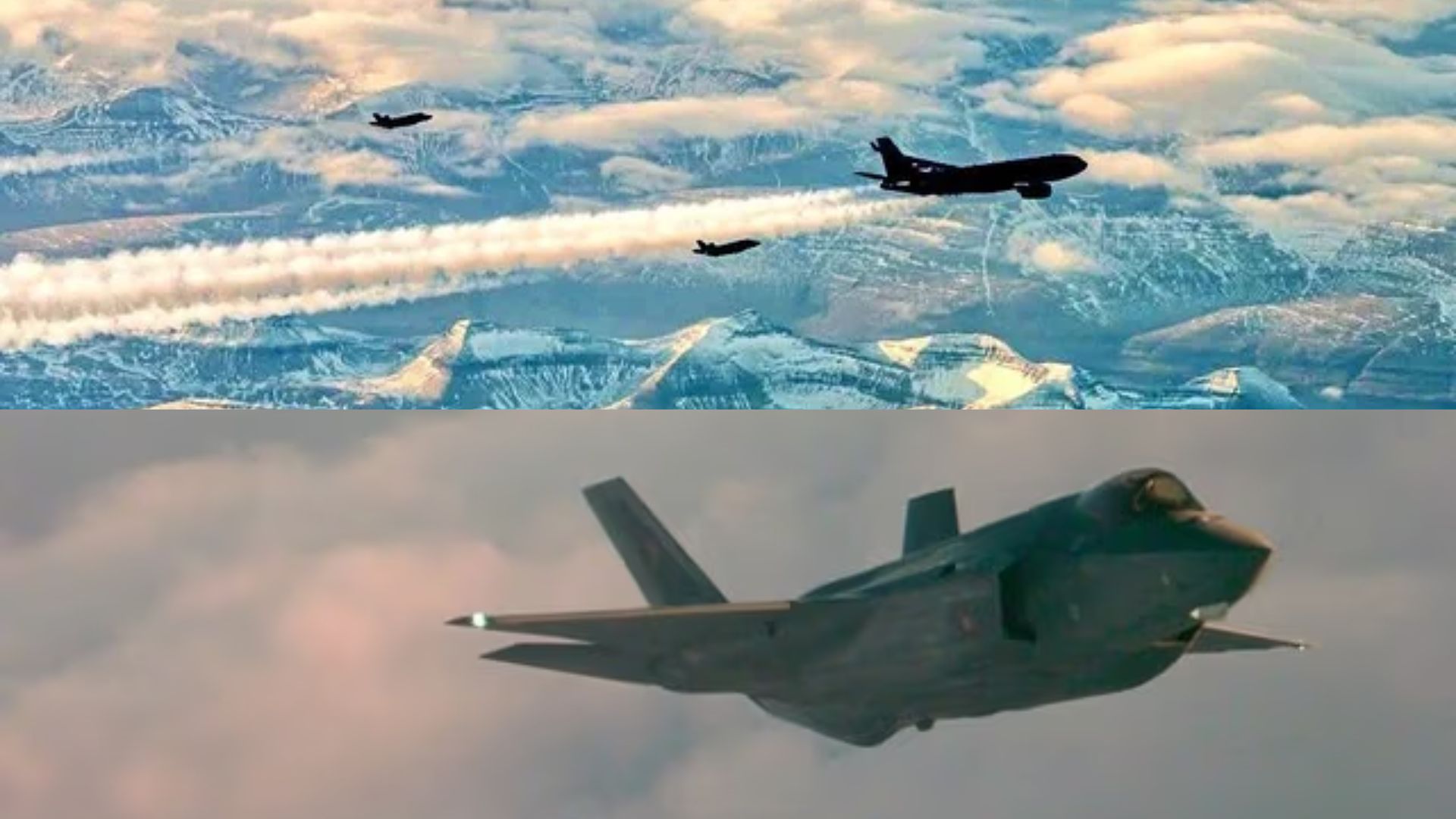

Exercises Strengthen NATO Presence in the Arctic Amid Climate and Strategic Changes
The North Atlantic Treaty Organization (NATO) recently conducted military exercises involving Danish Air Force fighters and a French tanker over the region of Greenland, an autonomous territory belonging to the Kingdom of Denmark. The operation occurs in a context of growing debates about security in the Arctic, driven by climate change, new shipping routes, and the expectation of increased Russian military activity in the region in the coming years.
Although allied officials have emphasized that there is currently no immediate threat to Greenland, the exercise has a preventive and strategic character. According to representatives involved in the discussions, the main objective is to assess logistical capabilities, air interoperability, and defensive readiness in a region that is becoming increasingly relevant for global geopolitical balance.
The information was disclosed by the channel The Sun, international vehicles specialized in defense and security, based on official statements from American and Danish authorities who closely monitored the operations and the diplomatic conversations associated with the exercise.
-
The Arctic is no longer just a frozen region and is becoming a new military board with the opening of maritime routes, expansion of bases, nuclear icebreakers, and competition among Russia, NATO, the United States, and China.

-
U.S. Dismisses Brazilian Foreign Ministry’s Military Risk Warning as “Absurd,” Cites Brazilian Criminal Gangs Operating in the U.S. Since May 2026
-
Ukraine War Impacts Brazilian Fuel Supply: Russian Diesel Imports Drop 65% in June, Brazil Turns to US and India Amid Market Concerns

-
Chinese Nuclear Submarine Launches Simulated Warhead Missile in Pacific, Heightening Regional Tensions Amid Naval Drills with Russia Near Qingdao; New Zealand and Papua New Guinea Warn of Persistent Chinese Military Presence


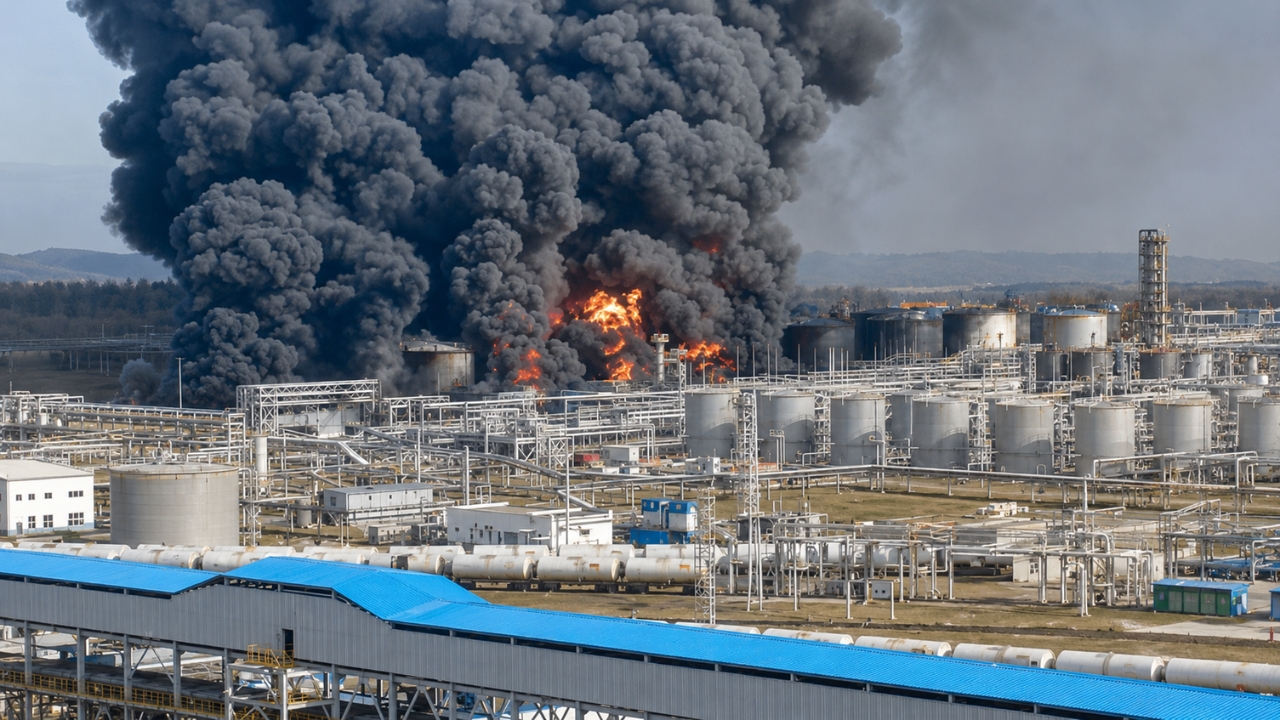

In this sense, Greenland is becoming a central player in discussions about the future of the Arctic, especially as the retreat of sea ice alters shipping routes, increases access to natural resources, and sparks strategic interest from global powers.
Climate Change, Shipping Routes, and Critical Minerals on the Alliance’s Radar
According to U.S. officials, there are no urgent threats or imminent attacks aimed at Greenland. However, there is a growing concern about Arctic security in the medium and long term. As the climate changes and ice retreats, new shipping routes are being explored, requiring greater vigilance and responsiveness from regional countries and their allies.
Moreover, potential access to critical minerals and rare earths, which may become more available with thawing, has also entered the center of conversations. American representatives emphasized that respectful investments made in partnership with the people of Greenland and the Kingdom of Denmark would be welcome, both in the natural resources sector and in enhancing regional security.
Nevertheless, authorities stressed that any progress in this direction must occur in a manner fully aligned with Danish sovereignty and NATO principles, avoiding discourse or initiatives that could be interpreted as disrespectful or unilateral. This point has been a concern for both the Danish population and, even more sensitively, for the inhabitants of Greenland.
Therefore, despite the increasing strategic interest, the diplomatic tone adopted by allies seeks to balance cooperation, institutional respect, and regional stability, avoiding unnecessary escalations of tension.
Expectation of Increased Russian Activity Post-Ukraine War Concerns Allies
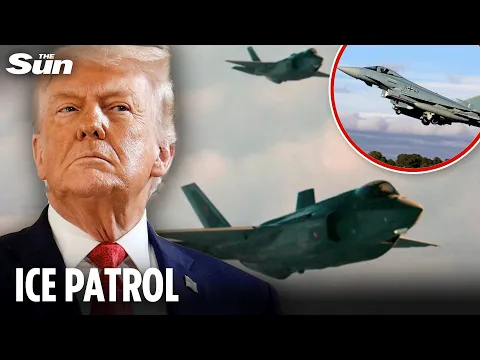

Another factor driving the exercises and the debate about the Arctic is the assessment that, after the end of the war in Ukraine, Russia may redirect some of its military resources to other strategic areas, including the far north of the planet.
According to Danish authorities, the expectation is for a rise in Russian activities in the Arctic in the coming years, especially in terms of patrolling, naval presence, and monitoring shipping routes. Still, it was emphasized that there are no records of Russian or Chinese military ships operating in the direct vicinity of Greenland at this time.
What is observed, as explained by U.S. representatives, is the presence of Russian and Chinese vessels in broader areas of the Arctic Ocean, without direct proximity to Greenland’s territory. Nonetheless, the scenario reinforces the need for advance planning.
Danish authorities also ruled out the possibility of conflicts between NATO countries, stating that there is no plausible scenario for confrontation among alliance members. However, they made it clear that if Greenland is threatened by external forces, defense will be conducted with Danish troops and within the NATO collective framework.
Thus, aerial exercises over Greenland serve as a signal of readiness, coordination, and political commitment, reinforcing that the Arctic has become a definitive strategic space in the military planning of Western powers.