






 Portuguese
  Spanish


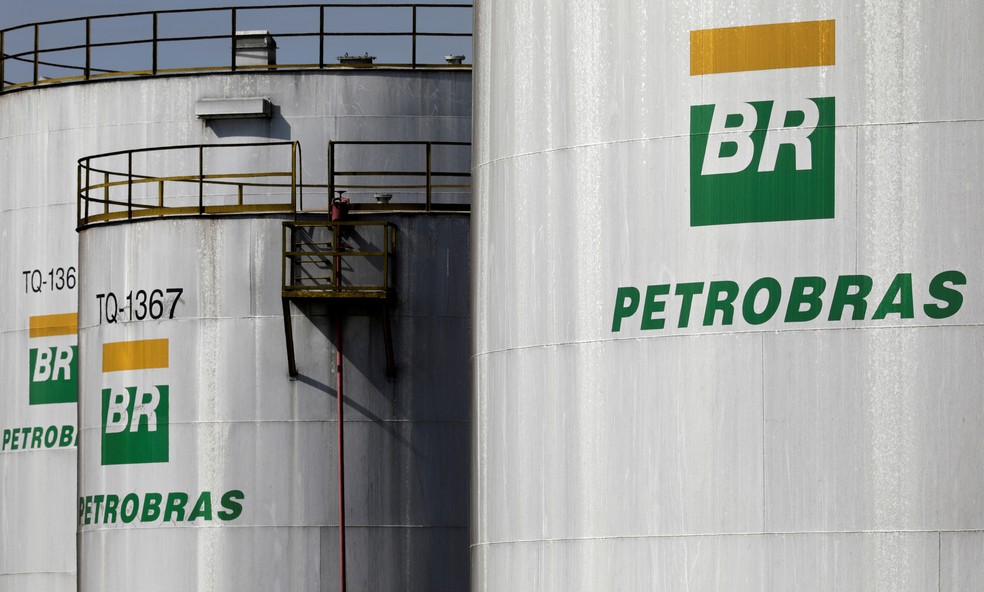

On Friday (29), the President of the Senate, Rodrigo Pacheco, scheduled a meeting with the President of Petrobras, Joaquim Silva e Luna, to discuss the pricing policy that the Brazilian state-owned company has been adopting in 2021: the record of increases and variations reaches over 60% for diesel and 50% for gasoline.
Pacheco argued, in a press interview, that his goal is to discover and address where the root of the problem lies. Earlier this year, the President of the Republic, Bolsonaro, had approved a project intended to annul federal taxes by 5% on the price per liter. But that was not enough: on the same day, Petrobras worked on an increase of the same percentage, nullifying federal efforts.
The criticism has been present since the Temer government, which took over the country’s administration after President Dilma (2016). It reportedly approved provisional measures that changed pricing policies, causing Petrobras to have more variations as predetermined by the foreign exchange market and sectors, both internal and external. Before this, variations were smaller, given there was an attempt not to yield to fluctuations so expressively.
-
Brazil’s Central Bank Warns: Inflation Projected to Hit 5.2% in 2026, Exceeding Target Ceiling of 4.5%, with Risk of Missing Target Rising from 30% to 79%

-
Japan’s Economic Shift: End of Decades of Cheap Money Sparks Global Investor Concerns

-
As Brazil’s Tax Revenue Hits $2 Trillion in First Half of the Year, Questions Arise About Allocation and Usage Criteria

-
King Charles III Discloses British Royal Family Finances, Revealing Million-Dollar Tax and How Public Funds, Historic Estates, Wind Farms, and Duchies Sustain a Billion-Dollar Monarchy


Video: Rodrigo Pacheco on the ICMS of Fuels
Read More
- Seeking Rapid Oil Extraction, Paulo Guedes Pushes for Petrobras Privatization: “It Will Be Worth Zero in 30 Years”
- With New Gasoline Price Increase Announced by Petrobras, Fuel Price Reaches 73% for the Year
Pacheco also adds that they can discuss new ways to ensure that prices do not fluctuate so much with the value of the dollar. On Friday (29), the dollar started the day down to R$ 5.64, following changes in the Selic rate from the meeting held by the Monetary Policy Committee (Copom), going from 6.2% per year to 7.75%. The interest rate change made international investors feel more secure in their investments.
It is worth noting that changes in the Selic rate can directly impact fixed income investments, especially in the case of savings, which will see returns increase from 4.2% to 5.3% per year. CRI, CRA, LCI, LCA, and CDB will also be affected. The Selic may also have impacts for Brazilians who need to request loans or financing, thus facing even higher rates, exceeding an average of 80% per year.
Petrobras May Help Fund the Gas Aid After Price Increases
A project is under analysis by the Chamber of Deputies and also by the Senate, which aims to distribute a Gas Voucher to the entire Brazilian population living on less than R$ 550 per month, equivalent to a minimum wage. The cost for the state-owned company could reach billions, and federal funding may cover up to 50% of the expenditure. The program is initially set to be distributed to Bolsa Família beneficiaries, who currently receive an average monthly payment of around R$ 190, but in November, it may undergo increases exceeding 50%.
The project was initially created in the state of São Paulo, led by Governor João Dória, who aimed to pay three installments of R$ 100 to each family living on less than R$ 178 per month (an amount that indicated extreme poverty levels). However, it has since expanded to the federal level. It is still unclear what the amounts will be and how frequently the program will be paid, but it is estimated to be around R$ 50, roughly half the cost of a gas cylinder.
The government is also considering creating a fuel voucher for truck drivers who, in 2021, are the groups most affected by diesel fluctuations, as well as the dollar.


