Portuguese
  Spanish


Auction of Historical, Environmental, and Tourist Areas in Paraty Raises Concerns, Mobilizes Residents, Challenges Traditional Rights, and Poses Risks to World Heritage Status. The Episode Was Revealed in a Report on Fantástico.
Paraty, one of Brazil’s most valued tourist destinations, faces a climate of great concern following the announcement of a judicial auction that affected a considerable part of its territory.
Areas of beaches, mountains, and entire islands were auctioned, generating insecurity among the local population and raising an intense debate about the future of this world heritage site, located on the southern coast of Rio de Janeiro.
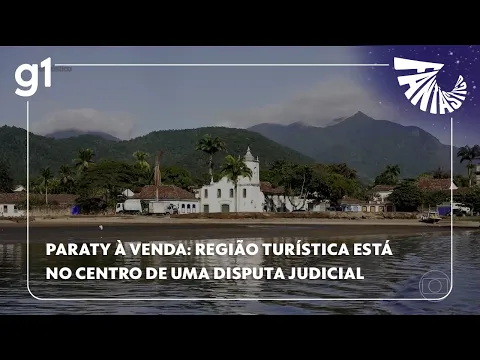
The situation was revealed by a report from the Fantástico program from TV Globo.
-
Tokyo Scientists Create First 18cm Biohybrid Hand Using Human Muscle, Capable of Scissor Gesture and Holding a Pipette

-
Brazil Faces Norway in World Cup at Stadium Linked to Jimmy Hoffa’s Mysterious Disappearance

-
Retired Woman Leaves French Public Housing Due to Fear, Lives in Van for Weeks, Prompting Response from Local Authorities and a Priest
-
9-Year-Old Fabio Isaac Wins Gold at Copernicus Math Olympiad in Singapore, Representing Peru Against Global Young Talents


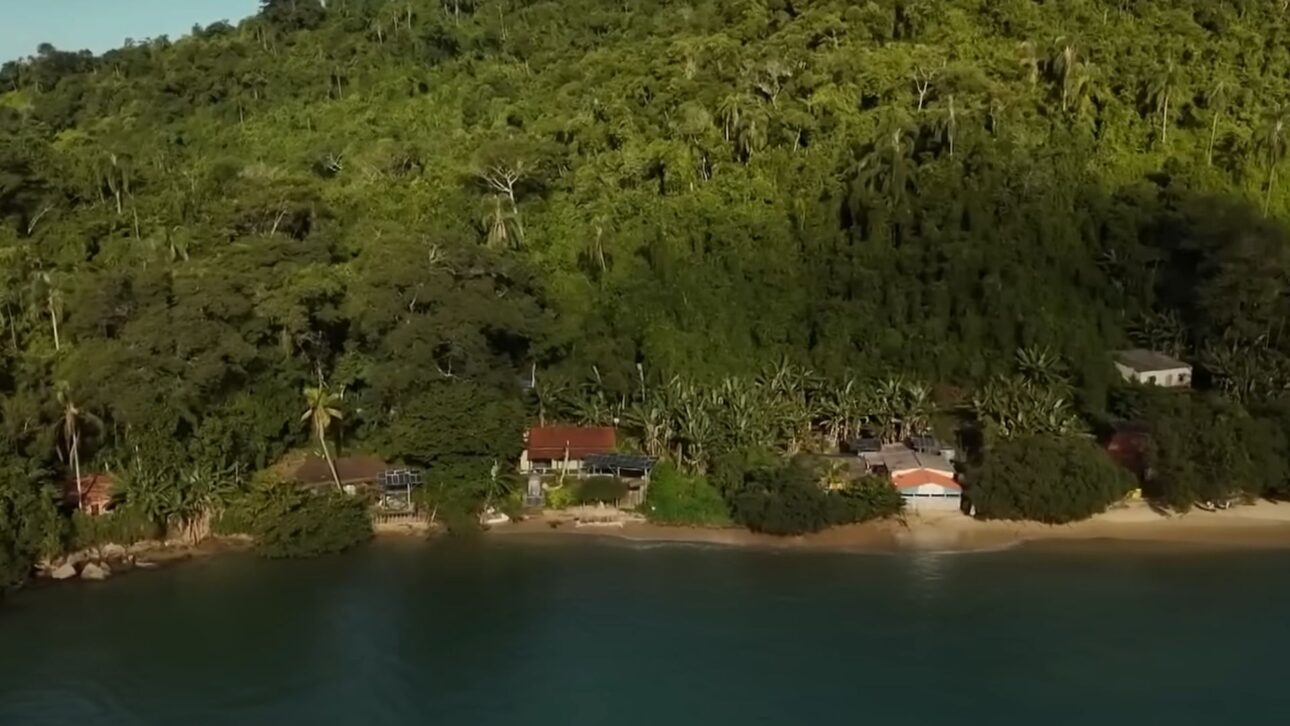
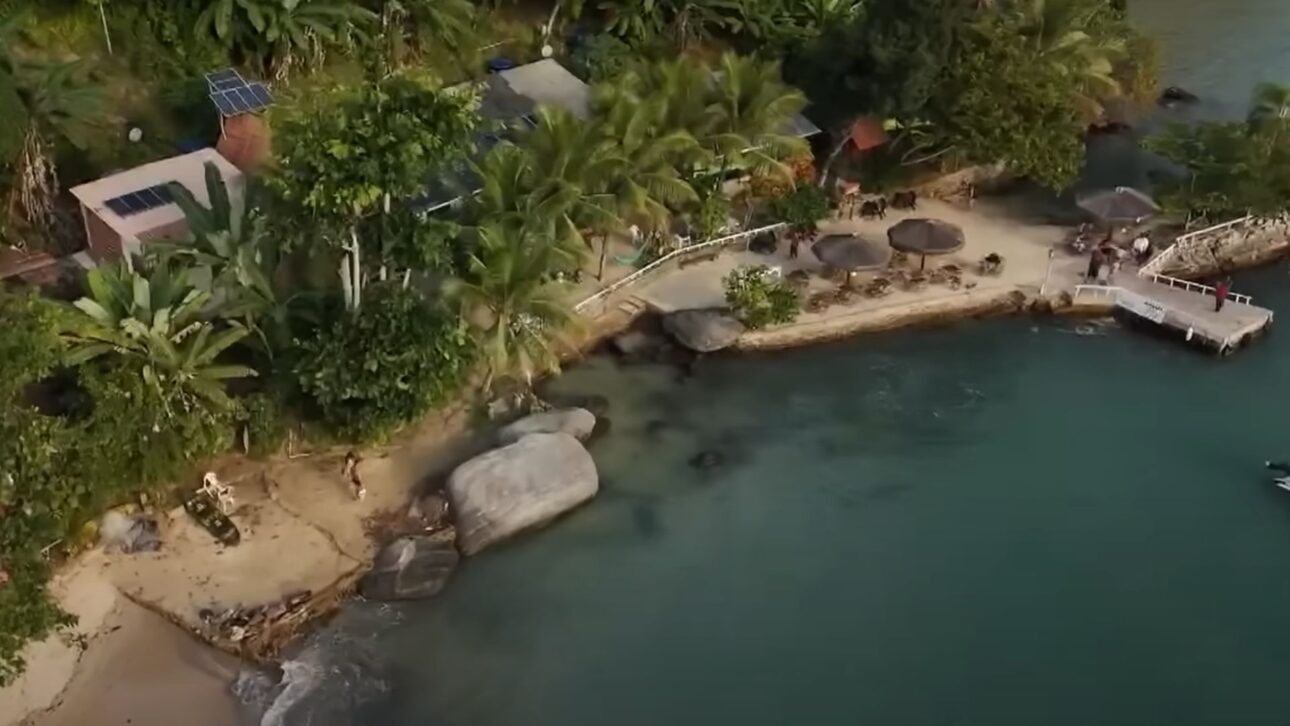
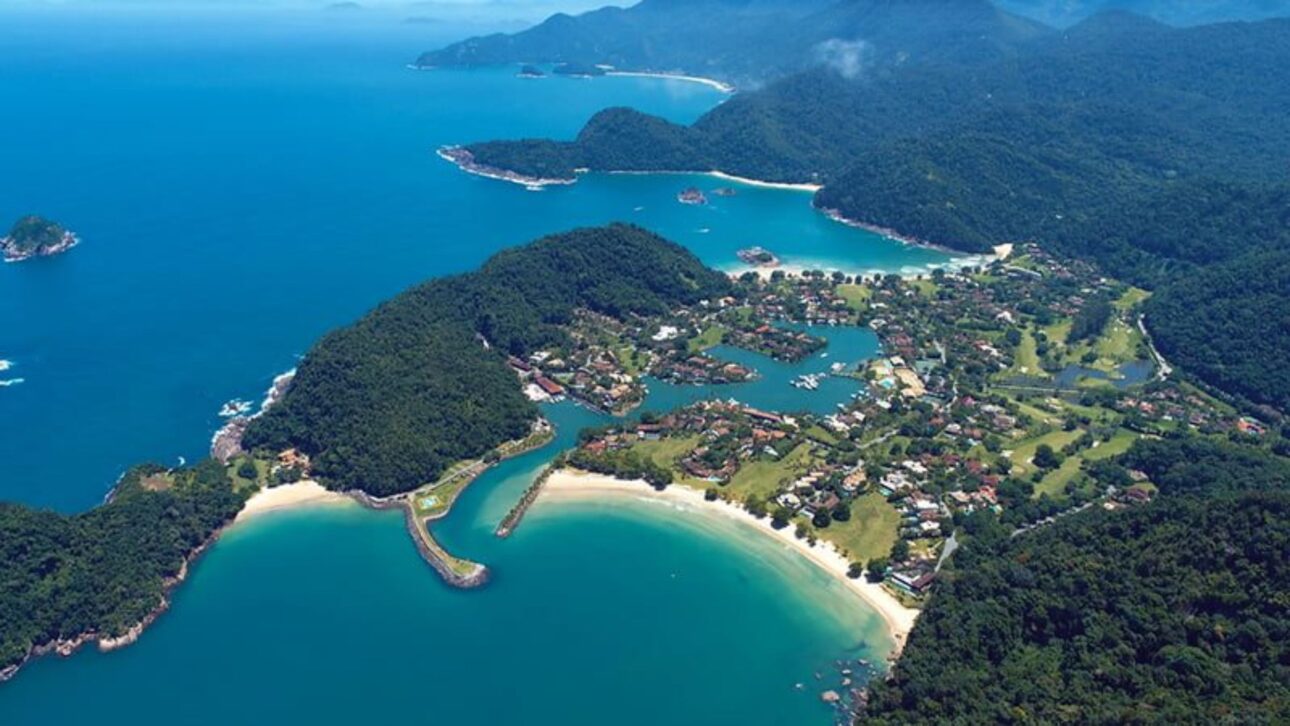
The auction, held in April 2025, involved the sale of 32 areas of the municipality, including lots located on 63 islands, such as Ilha do Cedro and Ilha do Algodão, as well as beach stretches, areas in Saco do Mamanguá, and lands within the Serra da Bocaina National Park.
The report from Fantástico surprised residents, environmental authorities, and civil organizations, changing the traditionally tranquil atmosphere of the region.
Saco do Mamanguá and Traditional Communities
At the center of the controversy is the Saco do Mamanguá, a unique geological formation on the Brazilian coast, known as a “arm of the sea” protected by extensive mangroves.
The Mamanguá, with eight kilometers in length and two in width, is considered one of the largest marine nurseries on the Fluminense coast and serves as a shelter for various caiçara communities, whose families have maintained a bond with the area for centuries.
The news of the auction has directly impacted the lives of residents.
Gilcimar Corrêa, president of the Mamanguá Residents’ Association, reported to Fantástico that the emotional state of the inhabitants is deeply shaken, with reports of insomnia and constant vigilance in the face of unfamiliar boats arriving.
The insecurity extends to other communities, such as Ilha do Araújo, where community representatives criticized the negotiation of lands without considering the traditional populations.
History of the Land Auctioned in Paraty
According to official records, the lands auctioned belonged to the Portuguese merchant José Maria Rollas, who acquired the areas in 1936, during an auction promoted by the State Revenue of Rio de Janeiro.
The Rollas family asserts that the intention was to ensure patrimonial protection, without promoting occupation or commercial exploitation.
Even so, residents like Cleonice dos Santos from Ilha do Cedro maintain that their families’ presence predates the formal acquisition of the lots and display documents, such as tax payment receipts dated from 1912, to reinforce this history.
Local Community and Collective Use of the Areas
The auctioned lots include, in addition to residences, areas for collective community use, such as public schools and churches, which are fundamental elements for the local social organization.
The imprecise descriptions of the old property certificates, based on generic and poorly detailed references, hinder the determination of the exact boundaries of the lands and increase the legal insecurity of the occupants.
A large part of the auctioned lands is located within the Cairuçu Environmental Protection Area (APA), established in 1983 by the federal government to protect both the environment and caiçara culture.
Anderson Nascimento, head of the Chico Mendes Institute for Biodiversity Conservation (ICMBio) in Paraty, highlights that these are areas subject to a special protection regime, with strict rules regarding land use and occupation.
Brazilian legislation ensures that traditional communities have their rights recognized, including the right to remain in territories historically occupied.
Legislation, Values, and Buyer Reactions
Attorney Thatiana Lourival, from the Traditional Communities Forum, noted to Fantástico that the price of the lots sold was considered low compared to the expanse of the areas, raising suspicions of future speculation or interest in large developments.
However, one of the buyers of part of Ilha do Cedro has already withdrawn from the purchase upon realizing the strong presence of the traditional population.
The attorney Gustavo Kloh, a specialist in Civil Law, stated that those who bought may face severe legal restrictions due to environmental legislation and the protection of caiçara rights.
Legal Disputes and Protests in Paraty
The case divides opinions among lawyers and public authorities.
Representatives of the bidders assert that they have complied with all legal steps and are willing to negotiate, provided there is respect for property rights.
On the other hand, the Federal Public Ministry, the Advocacy General of the Union, and the Public Defender’s Office of the State of Rio de Janeiro have filed requests for the annulment of the auction, citing disregard for the presence of traditional communities and the existence of legally protected areas.
So far, the Justice has not authorized the effective possession of the lands by the new owners, but residents report attempts of pressure by some bidders.
World Heritage Title and Risks for Paraty
The repercussions of the case were immediate, with protests and demonstrations in Paraty, especially during events like the city’s Jazz Festival, where the phrase “Paraty is caiçara land!” gained prominence.
Among the concerns is the risk that Paraty may lose its UNESCO World Heritage title, as one of the criteria for recognition was the balanced interaction between traditional culture and preserved nature.

Attorney Nizzo de Moura, representative of the heirs of José Maria Rollas, defends the legality of the auction and argues that eventual conflicts should be resolved through judicial conciliation between traditional possession and formal ownership.
Gustavo Kloh emphasizes that preserving the environmental, tourist, and cultural characteristics of Paraty is essential not only for the region but for the country.
Future of Paraty and National Debate
The future of these areas and their residents remains undefined, as different sectors seek ways to resolve the impasse, involving themes such as territorial rights, environmental preservation, culture, and economic interests.
The episode presented by Fantástico brought to light a national discussion about heritage, legislation, and local identity.
Do you believe that the traditional residents’ permanence and environmental protection should prevail in Paraty in light of this scenario, or do the new owners have the right to possess and use the lands acquired in the auction?