Portuguese
  Spanish


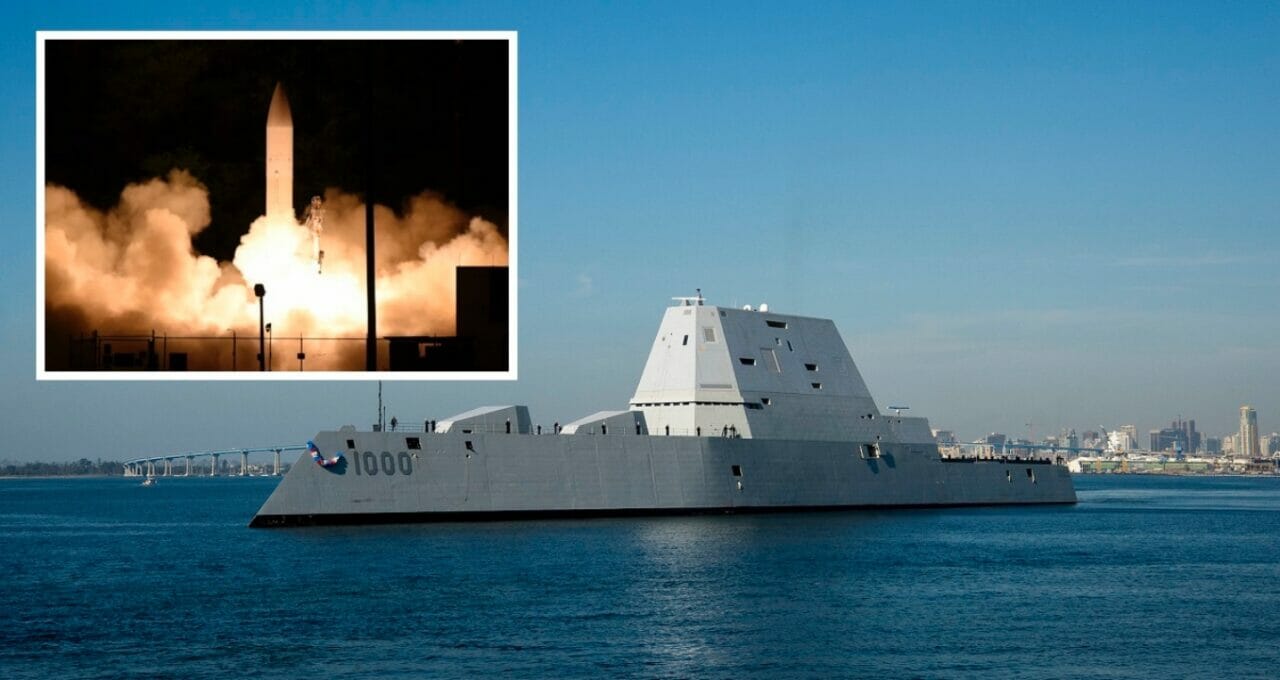

USS Zumwalt – The $7.5 Billion Ship: Developed in Collaboration Between the U.S. Army and the Navy, Missiles are an Undeniable Strategic Advantage to Shape the Course of Global Security
The Pentagon recently announced a significant milestone in strengthening the United States’ defense. The shipyard Huntington Ingalls Industries (HII) was awarded a substantial contract of $154.8 million for the installation of hypersonic missiles on the guided missile destroyer USS Zumwalt (DDG-1000), marking a bold step in the country’s defense capability.
Under the aegis of the Pentagon, this transformation, scheduled to be completed by September 2025, will not only boost the nation’s military capacity but also realign the role of the Zumwalts in the Navy.
Watch the Video Below and Get to Know the USS Zumwalt – The $7.5 Billion Ship
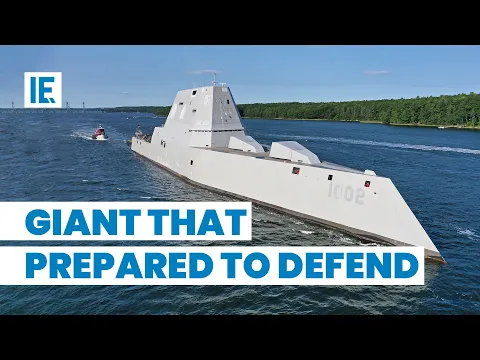

Pentagon is Positioning the Country to Tackle Future Challenges More Effectively and Assertively
The Zumwalts, with their advanced twin 155 mm weapon systems, were meant to stand out, but now they are about to receive a multimillion-dollar upgrade that promises to elevate their effectiveness to unprecedented heights. This transformation involves replacing the original weapon systems with four 87-inch missile tubes. The goal is clear: to incorporate the latest technology of hypersonic missiles to face contemporary global security challenges.
-
Iraq floats and sinks under an arm of the Euphrates 10 giant concrete boxes of 46,000 tons and 125 meters each to assemble a 2.4 km submerged tunnel and open a new land route between Asia and Europe.

-
Scientists use more than 20,000 artificial birds and solar speakers to “trick” seabirds, reactivate nesting routes, and revive a colony on an island that seemed abandoned.

-
She spent 73 years breathing inside an iron lung, survived the aftereffects of polio, and became the last woman in the United States dependent on the equipment before dying at 78 years old.
-
Brazilian students created a $1 filter using pine bark, cotton, and 3D-printed parts to clean cassava wastewater, reduce the toxicity of a hazardous waste, and transform contaminated water into biofertilizer.




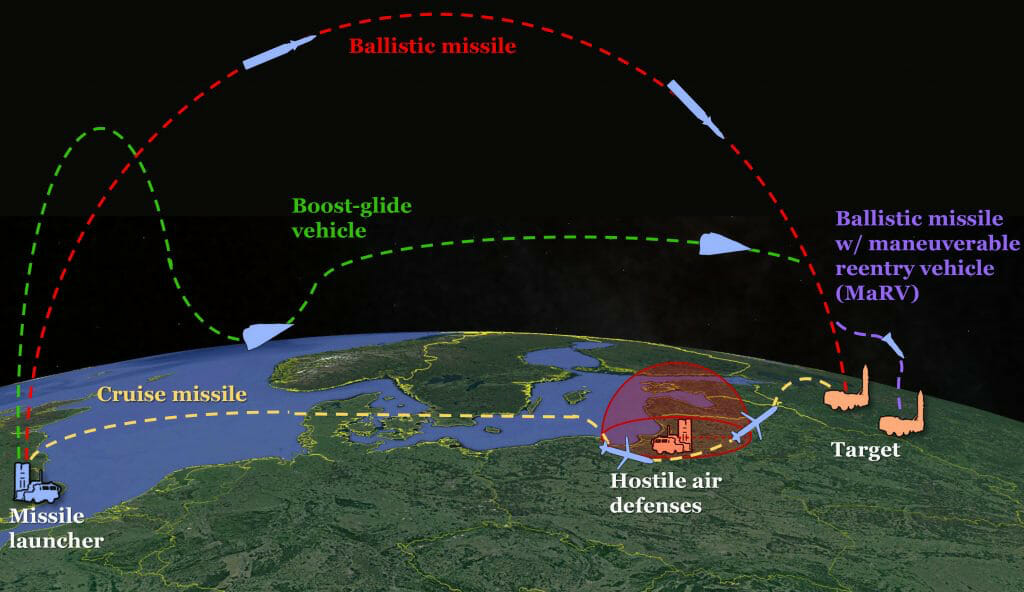
Each of the four missile tubes will house three Common Hypersonic Glide Bodies (C-HGB), which represent the pinnacle of innovation in hypersonic missiles. Developed in collaboration between the U.S. Army and the Navy, these missiles have the capability to hit any target anywhere on the planet. This technology places the U.S. national defense at a superior level in terms of deterrence and response to potential threats.
This contract for the USS Zumwalt follows a planning contract of $10.5 million issued earlier in January for the USS Michael Monsoor (DDG-1001), which is also part of the Zumwalt class. The USS Michael Monsoor is also scheduled to receive upgrades in the future, further solidifying the United States’ commitment to maintaining its naval strength in constant evolution. Concurrently, the USS Lyndon B. Johnson (DDG-1002), which arrived at the HII shipyard in January 2022, is undergoing combat systems activation, preparing for its strategic role.
“The Michael Monsoor will receive the CPS installation at Ingalls during a future modernization period. Additionally, the Lyndon B. Johnson (DDG-1002) arrived at Ingalls in January 2022 and is undergoing combat systems activation,” says a statement from HII.
Hypersonic Missiles are Becoming a Crucial Point in the United States Defense Strategy
The U.S. Navy has a clear vision for the future of the Zumwalts. They are determined to have these weapons ready for testing by December 2025. However, challenges may arise along the way. The Government Accountability Office (GAO) report in June warned about the possibility of the C-HGB deployment schedule on the Zumwalts being later than planned due to weapon development delays. In that case, the Navy may need to extend scheduled maintenance periods or wait for the next period to incorporate the system on the ship.
The Zumwalts, with their capability to launch hypersonic missiles, are becoming a crucial point in the United States defense strategy. They will play a vital role in deterrence and response to global threats. Furthermore, the ability to reach targets anywhere on the planet with minimal detection is an undeniable strategic advantage, further strengthening the U.S. position in the international landscape.