Portuguese
  Spanish


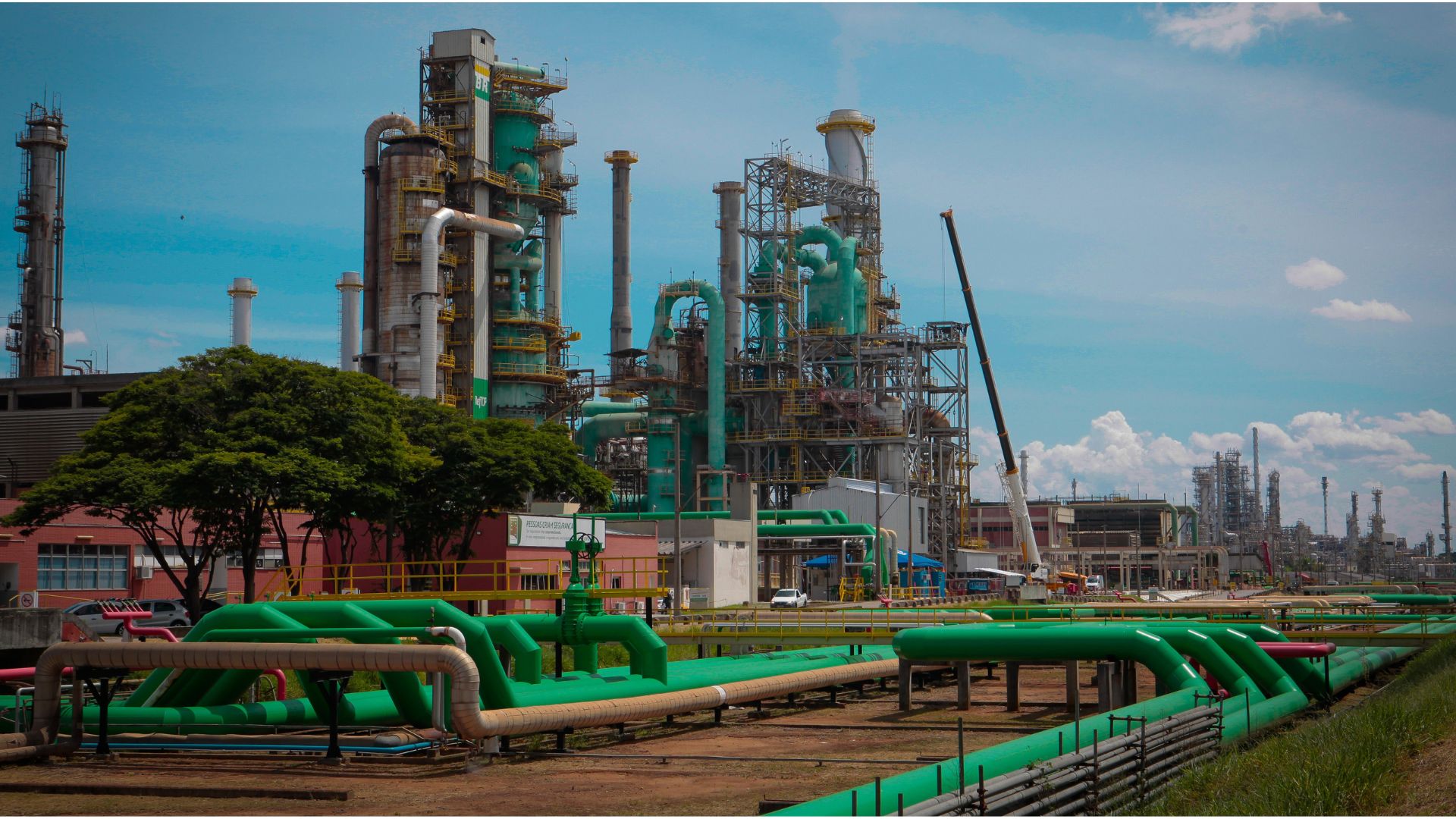
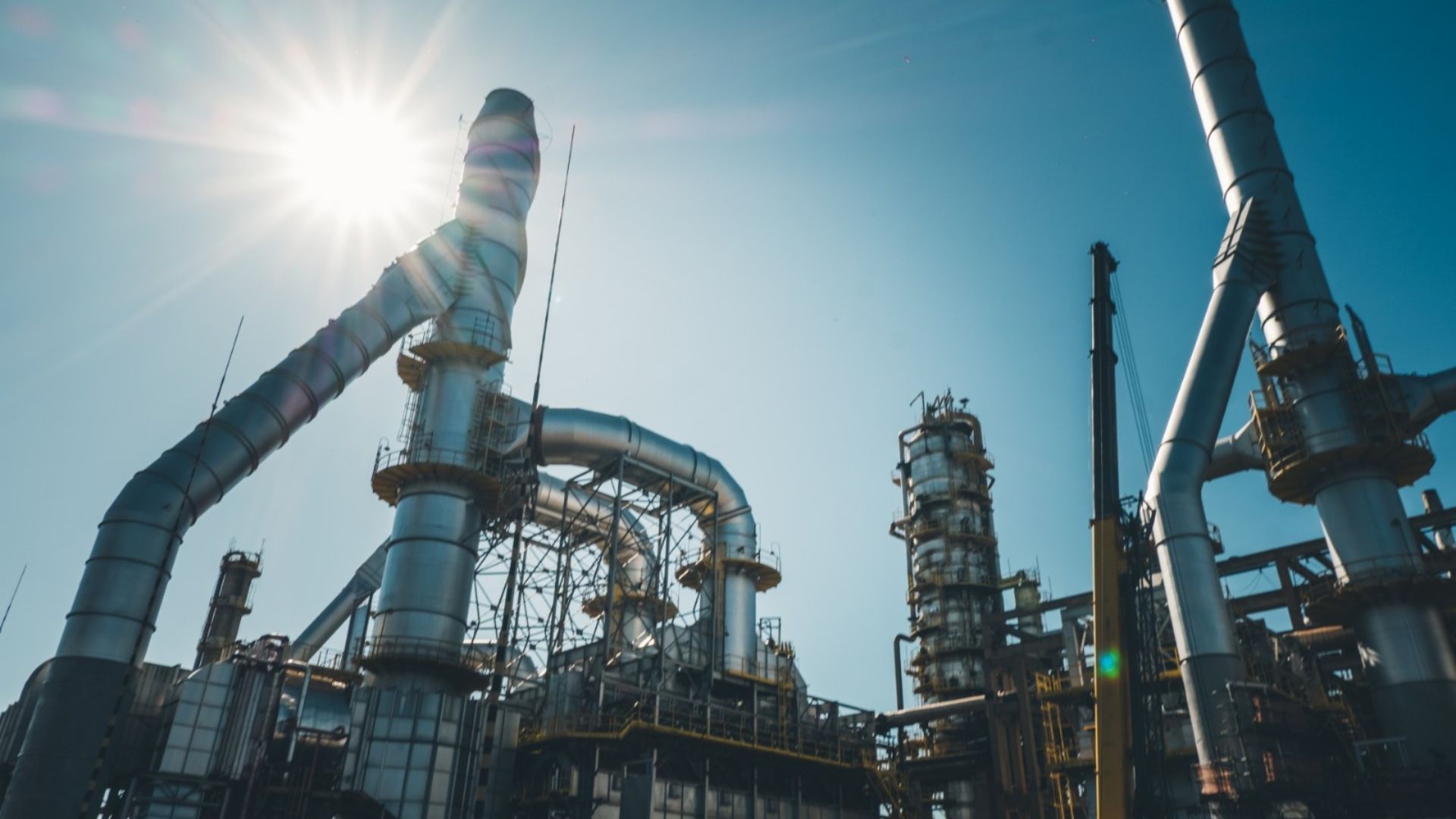
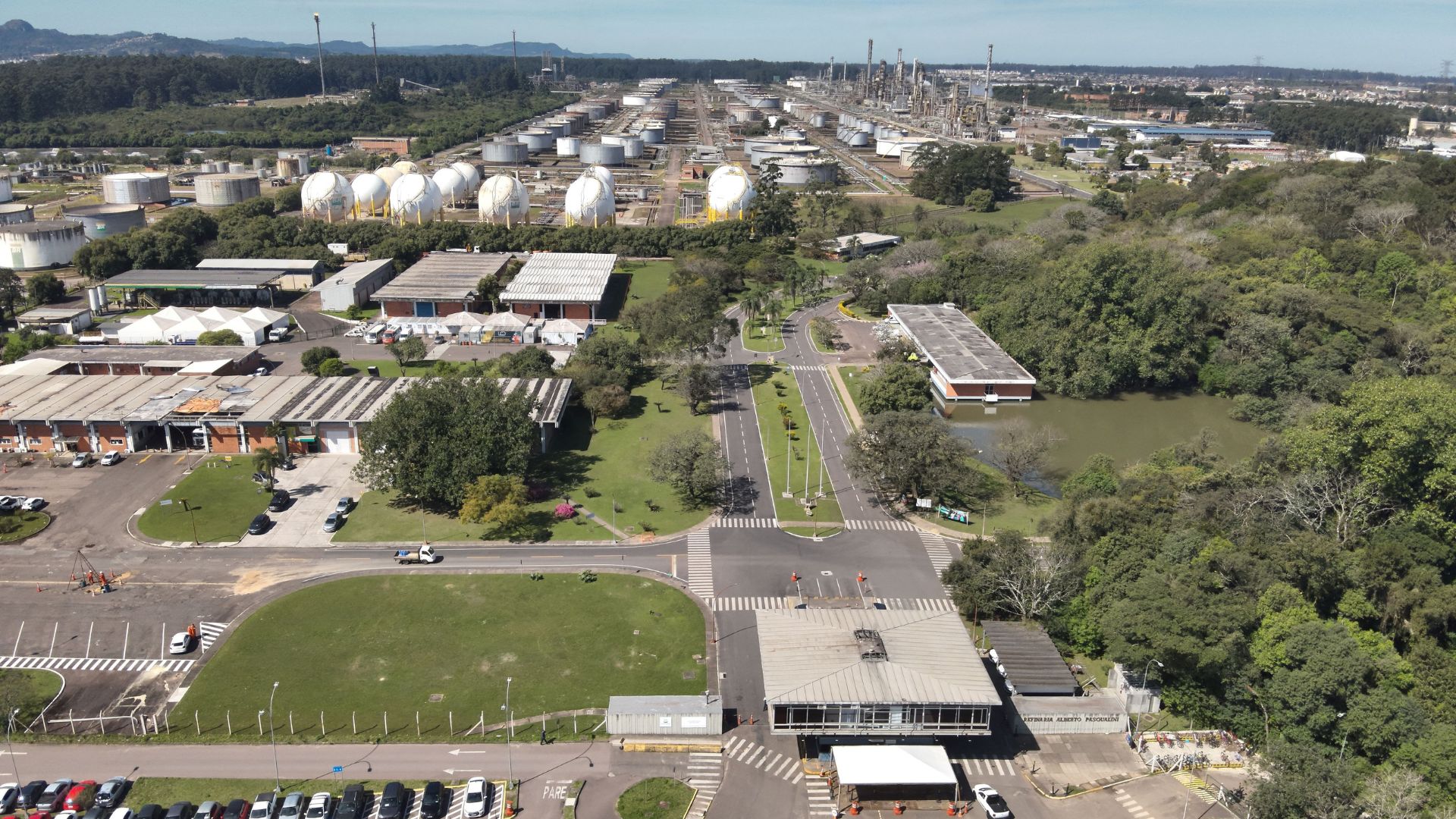
RNEST breaks record in S-10 diesel production after Petrobras investments and strengthens fuel supply in Brazil in 2026.
Petrobras registered a new milestone in the Brazilian refining sector after RNEST achieved the highest S-10 diesel production in its history in April. According to Petrobras information on May 8, the refinery produced 385 million liters of fuel, surpassing the previous record of 373 million liters registered in July 2016.
The result strengthens Petrobras’ strategy to expand national refining capacity amidst global geopolitical tensions and concerns about fuel supply. The state-owned company also confirmed new billion-dollar investments to further expand RNEST until 2029.
Record diesel production transforms RNEST into a strategic asset for Brazil
The record diesel production registered by RNEST occurs at a delicate moment for the international energy market. Geopolitical tensions and fluctuations in oil prices have increased concerns about energy security in several countries.
-
The first large-scale ethanol-powered thermoelectric plant is born in Pernambuco, surprising the energy sector and potentially opening a new phase for biofuels in Brazil.

-
Acelen advances with megabiorefinery in Bahia with a R$ 503 million investment released by BNDES and boosts the production of sustainable fuels with advanced technology capable of transforming vegetable oil and waste into green diesel and low-emission aviation fuel.

-
Petrobras Expands Refining in Brazil, Increases Production of Diesel S-10 and Gasoline, Enhances Operational Efficiency, and Reduces Import Dependence Between 2023 and 2025
-
Petrobras’ Refap Sets Historic Records for Gasoline and S-10 Diesel Production in Canoas in Q4 2025, Surpassing Previous Figures
In this scenario, Petrobras decided to gradually increase the processed load at the refinery since March. The objective was to reduce possible external impacts on the national fuel supply.
The numbers show the scale of the refinery’s operational advancement. In April of the previous year, production had been approximately 244 thousand cubic meters. Now, the volume reached 385 thousand cubic meters, a growth of nearly 60%.
S-10 diesel is of strategic importance to Brazil, mainly for supplying trucks, buses, and heavy vehicles responsible for national logistics.
Petrobras expanded refinery capacity after modernization project
The record diesel production was driven by the refinery’s Review and Expansion project, known as Revamp. The initiative was completed in 2025 and raised RNEST’s operational capacity to 130 thousand barrels per day.
According to Márcio da Silva Maia, the refinery’s general manager, the project represents one of the most important deliveries foreseen in Petrobras’ 2026–2030 Business Plan.
He explained that RNEST will be responsible for more than 50% of the capacity increase foreseen for the state-owned company’s refining park in the coming years. Operational improvements allowed for expanding the processing of derivatives and increasing the refinery’s industrial efficiency.
Among the main impacts of the modernization are:
- Increased S-10 diesel production;
- Greater operational efficiency;
- Reduced import dependence;
- Expansion of national fuel supply;
- Strengthening energy security.
RNEST to receive R$ 12 billion in investments from Petrobras
Petrobras confirmed new investments to further expand RNEST’s structure in the coming years. The company foresees approximately R$ 12 billion to complete Train 2 of the refinery and carry out maintenance on Train 1.
With the completion of the works, scheduled for 2029, the refinery’s total capacity is expected to reach 260 thousand barrels processed per day.
The increase will allow RNEST’s current operational capacity to practically double. The expectation is to significantly expand the production of strategic fuels for the Brazilian market.
According to Petrobras, S-10 diesel alone is expected to register an increase of approximately 88 thousand barrels per day after the completion of the works.
In addition to diesel, the refinery is also expected to increase the production of:
- Gasoline;
- LPG;
- Naphtha;
- Other petroleum derivatives.
William França, Petrobras’ Executive Director of Industrial Processes and Products, highlighted that the investments are part of the state-owned company’s strategy to strengthen national supply in the face of international instabilities.
Refinery strengthens national fuel supply
The expansion of record diesel production helps Brazil reduce some of its dependence on imported derivatives. This becomes even more important during periods of instability in the international oil market.
Experts assess that the strengthening of Brazilian refineries reduces risks related to external crises, increased logistics costs, and exchange rate fluctuations.
RNEST’s strategic location also favors the distribution of fuels to different regions of the country, especially the Northeast.
Furthermore, the increase in national production strengthens Petrobras’ competitiveness in the domestic fuel market.
Petrobras expands investments in the refining and fuels sector
RNEST holds a strategic position within Petrobras’ 2026–2030 Business Plan. The company foresees investments of US$ 15.8 billion in the Refining, Transportation, and Commercialization segment. The state-owned company’s focus is on modernizing its industrial park and expanding the production of higher value-added fuels.
Among Petrobras’ priorities are:
- Expansion of refining capacity;
- Production of low-carbon fuels;
- Industrial modernization;
- Greater operational efficiency;
- National energy security.
The state-owned company also seeks to expand its response capacity in the face of possible international crises involving oil and derivatives.
The impact of RNEST’s new record on Brazil’s energy future
The record achieved by RNEST in April represents an important advance for the national energy sector. The growth in production reinforces Petrobras’ strategy to expand refining capacity and reduce import dependence.
The investments planned until 2029 show that the refinery is expected to gain even more relevance within the state-owned company’s industrial structure. With greater operational capacity, RNEST tends to play an increasingly strategic role in Brazil’s fuel supply.
The record diesel production registered in April also demonstrates the importance of the investments made by Petrobras to strengthen national energy security and expand Brazil’s autonomy in the fuel sector.
With information from Petrobras.