






 Portuguese
  Spanish
  4 min of reading
  0 comments


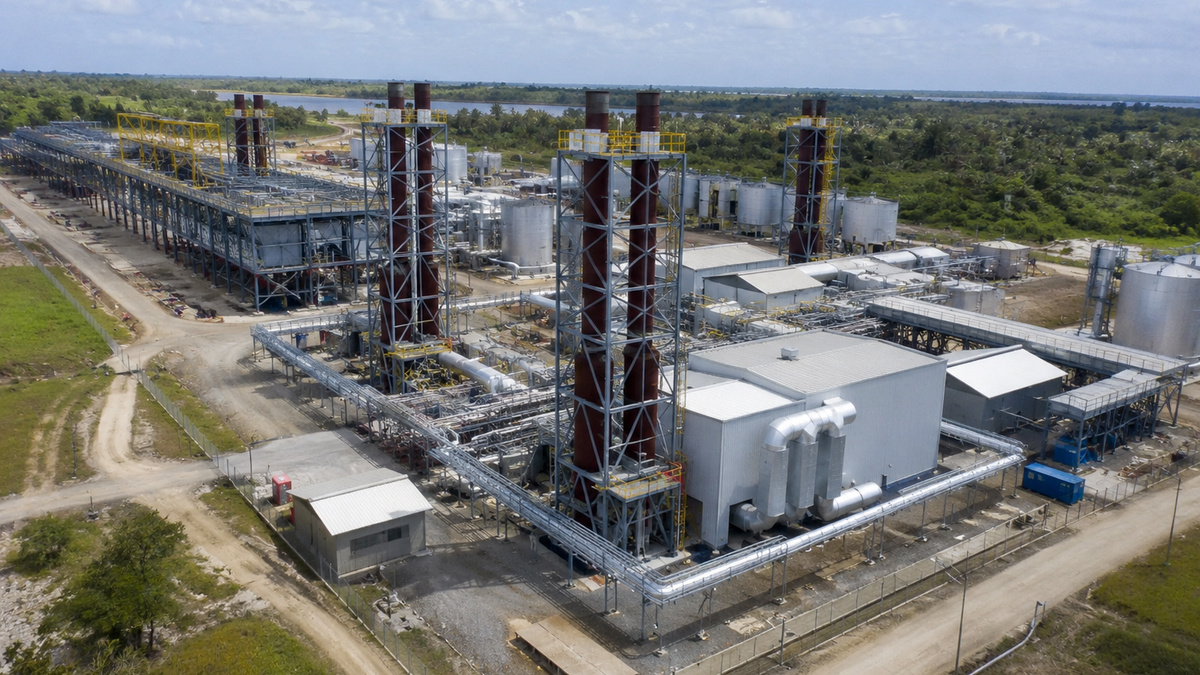
Project developed by Wärtsilä in partnership with Suape Energia transforms Pernambuco into the stage of the world’s first ethanol-powered thermoelectric plant, expands the possibilities of using Brazilian biofuel in electricity generation, and opens new perspectives for the sugar-energy sector, bioenergy, and energy transition in the Northeast and the rest of the country
Recently, the Suape Industrial Port Complex in Pernambuco became home to the world’s first thermoelectric plant designed to operate with ethanol on a large scale. According to Suape Energia, the implementation of the Ethanol Project was completed in partnership with the Finnish multinational Wärtsilä, one of the largest global manufacturers of engines and energy solutions.
The enterprise places Pernambuco in a prominent position within the advancement of biofuels and expands the possibilities of using ethanol in the energy matrix. The initiative uses fuel ethanol to power large-scale electricity generation engines.
With this, fossil fuels traditionally used in thermoelectric plants now have a renewable alternative. The project creates a new horizon for the fuel produced in Brazil and reinforces the global search for solutions capable of reducing carbon emissions.
-
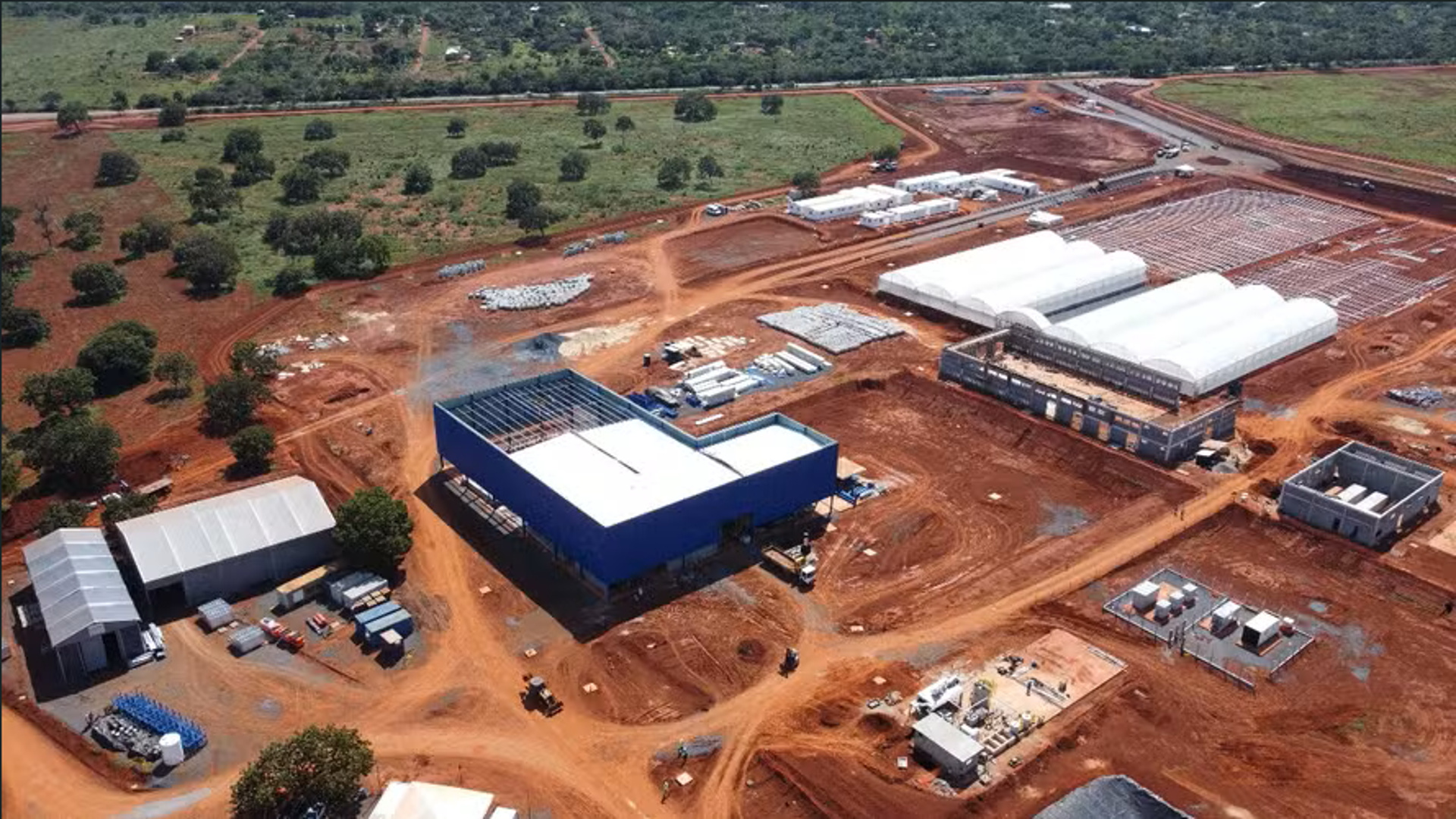
Acelen advances with megabiorefinery in Bahia with a R$ 503 million investment released by BNDES and boosts the production of sustainable fuels with advanced technology capable of transforming vegetable oil and waste into green diesel and low-emission aviation fuel.

-
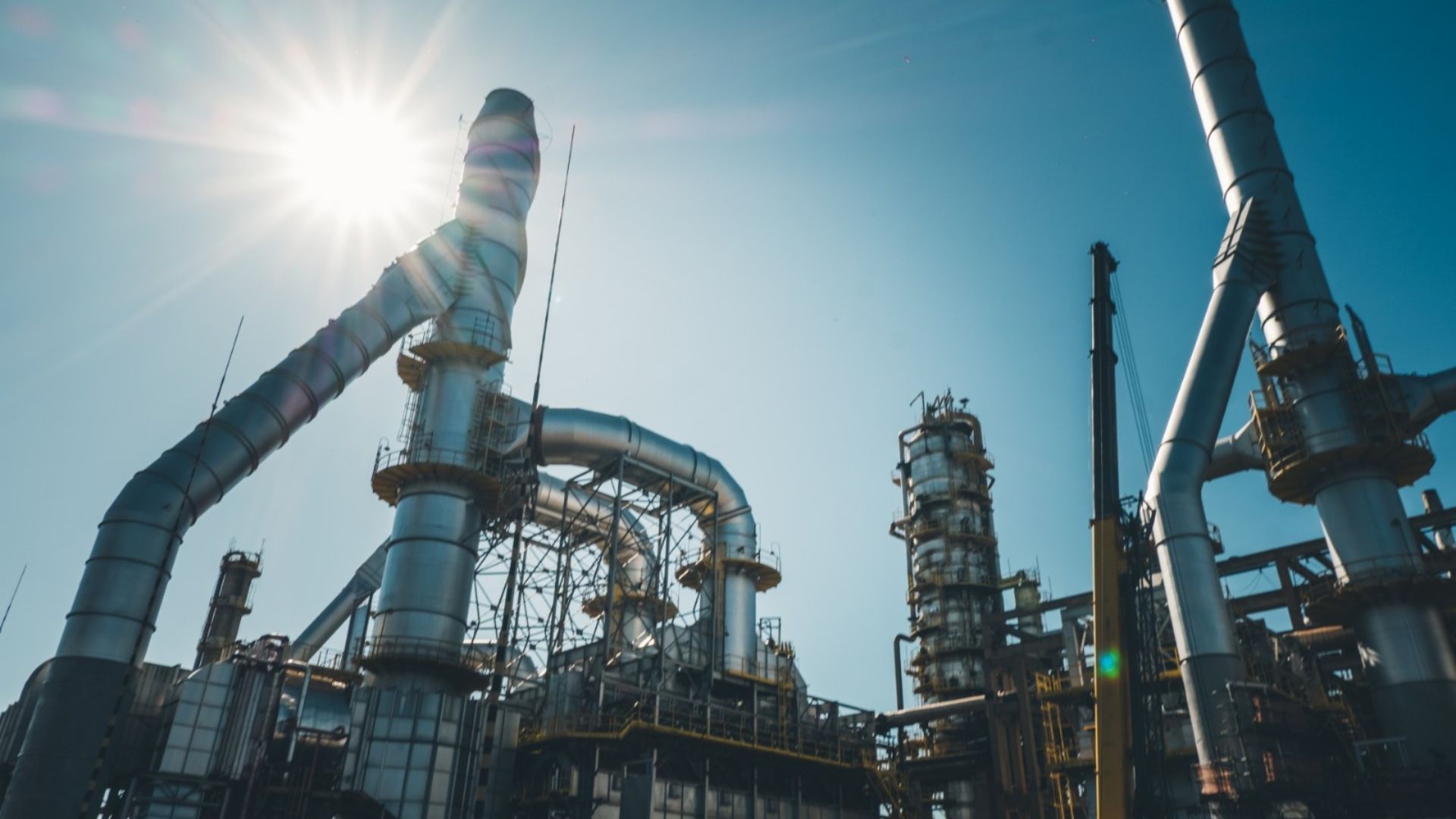
Petrobras announces RNEST’s historic milestone in April after the refinery reached record diesel production and strengthened the national fuel supply.
-
Petrobras Expands Refining in Brazil, Increases Production of Diesel S-10 and Gasoline, Enhances Operational Efficiency, and Reduces Import Dependence Between 2023 and 2025
-
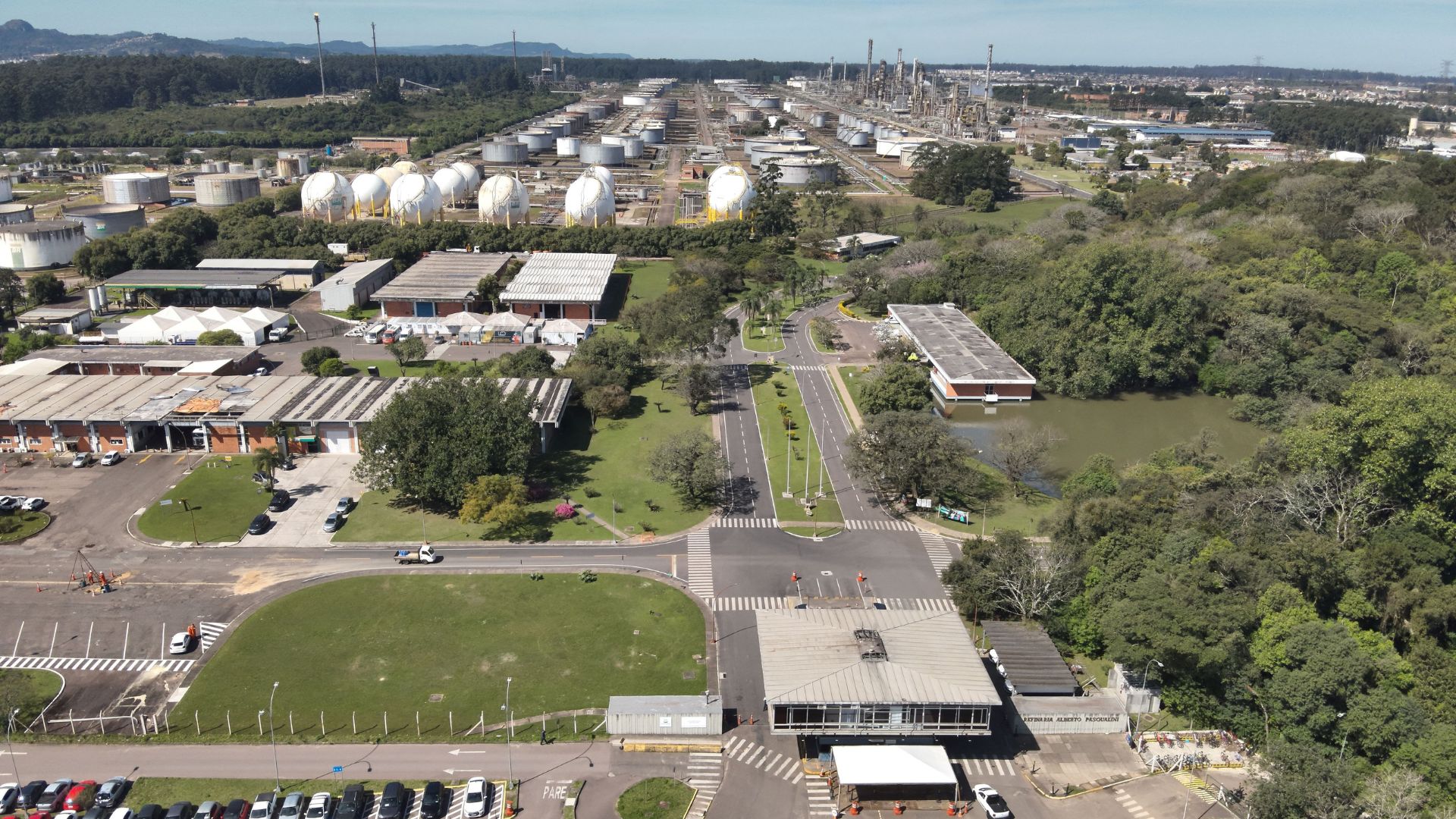
Petrobras’ Refap Sets Historic Records for Gasoline and S-10 Diesel Production in Canoas in Q4 2025, Surpassing Previous Figures

New market strengthens producers in the Northeast
Currently, according to information from the sugar-energy sector cited in the project, the Northeast accounts for approximately 10% of national ethanol production. Pernambuco, Alagoas, Paraíba, and Bahia concentrate a large part of this activity, which historically supplies mainly the flex-fuel vehicle market.
Electricity generation now emerges as a new opportunity to expand biofuel consumption. Sustainable aviation and maritime transport also appear among the segments with the potential to absorb part of this production.
Sector representatives assess that the technology implemented in Suape could create a permanent demand for northeastern producers. The movement reduces the exclusive dependence on the automotive sector and expands business possibilities for the region’s plants.
Ethanol produced from sugarcane still presents one of the lowest carbon footprints among available liquid fuels, a characteristic considered strategic during the global energy transition.
Pioneering Technology Draws Attention from the Energy Sector
Although there are experiences involving biofuels in various countries, the plant installed in Suape is considered pioneering for using engines specifically developed to operate with ethanol in commercial electric generation. This distinction draws attention within the international energy sector.
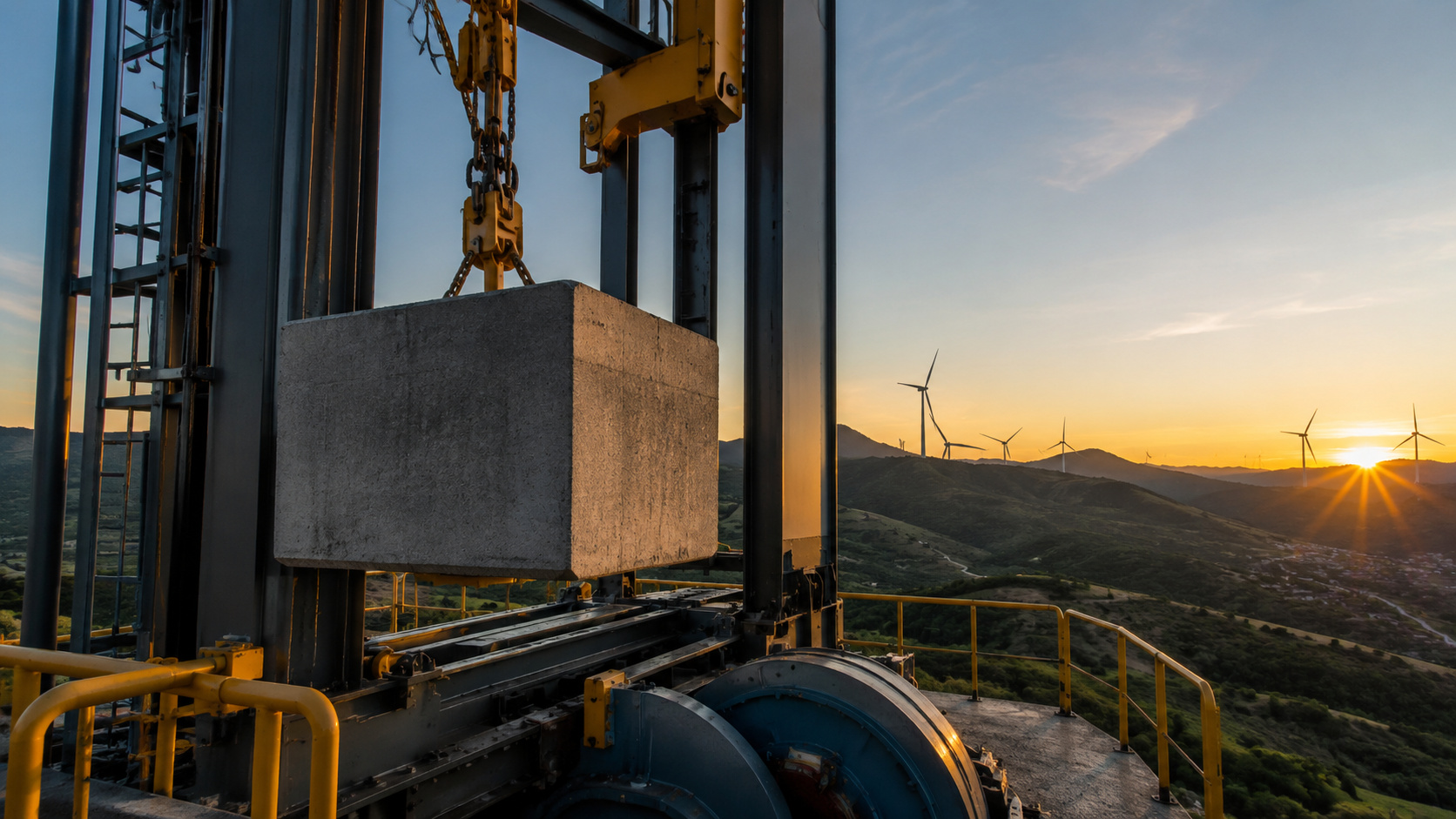
The technology bets on a renewable fuel source produced on a large scale in Brazil. Compared to diesel and fuel oil typically used in conventional thermal power plants, ethanol offers significant environmental advantages.
Among the main differentiators highlighted by the project are:
Renewable origin of the fuel;
Lower carbon emissions;
High national production;
Potential for technology export;
Integration with the Brazilian agribusiness.
Another relevant aspect involves the possibility of using the technology as a complement for periods of lower wind and solar production. These two renewable sources have been experiencing strong growth in the Northeast in recent years.

Impacts Go Beyond Energy Generation
The Suape Industrial Port Complex is already among the main industrial hubs in the Northeast. The arrival of the new thermal power plant expands the prospects for attracting investments related to bioenergy, technological research, and the development of new sustainable fuels.
The initiative strengthens a trend observed globally: the expansion of ethanol applications. The fuel is being studied for use in ships, industrial engines, and also in the production of SAF (Sustainable Aviation Fuel), considered a sustainable alternative for the aviation sector.
The expected results include:
Expansion of ethanol demand;
Expansion of consumer markets;
Strengthening the Suape industrial hub;
Greater prominence of the Northeast in the energy transition;
Potential generation of industrial jobs;
Reduction of emissions compared to fossil fuels;
Consolidation of Brazil as a reference in biofuels.
Northeast expands prominence in the energy transition
For decades, Brazilian ethanol was mainly associated with flex-fuel cars. The scenario is beginning to change with projects that expand the use of the fuel in different strategic segments of the economy.
The inauguration of the world’s first ethanol-powered thermal power plant, announced by Suape Energia and developed in partnership with Wärtsilä, represents an important step for Pernambuco and the entire Northeast region.
The combination of tradition in sugarcane production and growing industrial capacity creates favorable conditions for the strengthening of bioenergy. If the technology demonstrates economic competitiveness on a large scale, Suape could establish itself as a reference in a new stage of the Brazilian energy transition.
The advancement of this initiative could transform the Northeast into one of the main global hubs linked to bioenergy in the coming decades.
After all, is Pernambuco facing a project capable of expanding the role of ethanol in the global energy matrix?




Be the first to react!