






 Portuguese
  Spanish


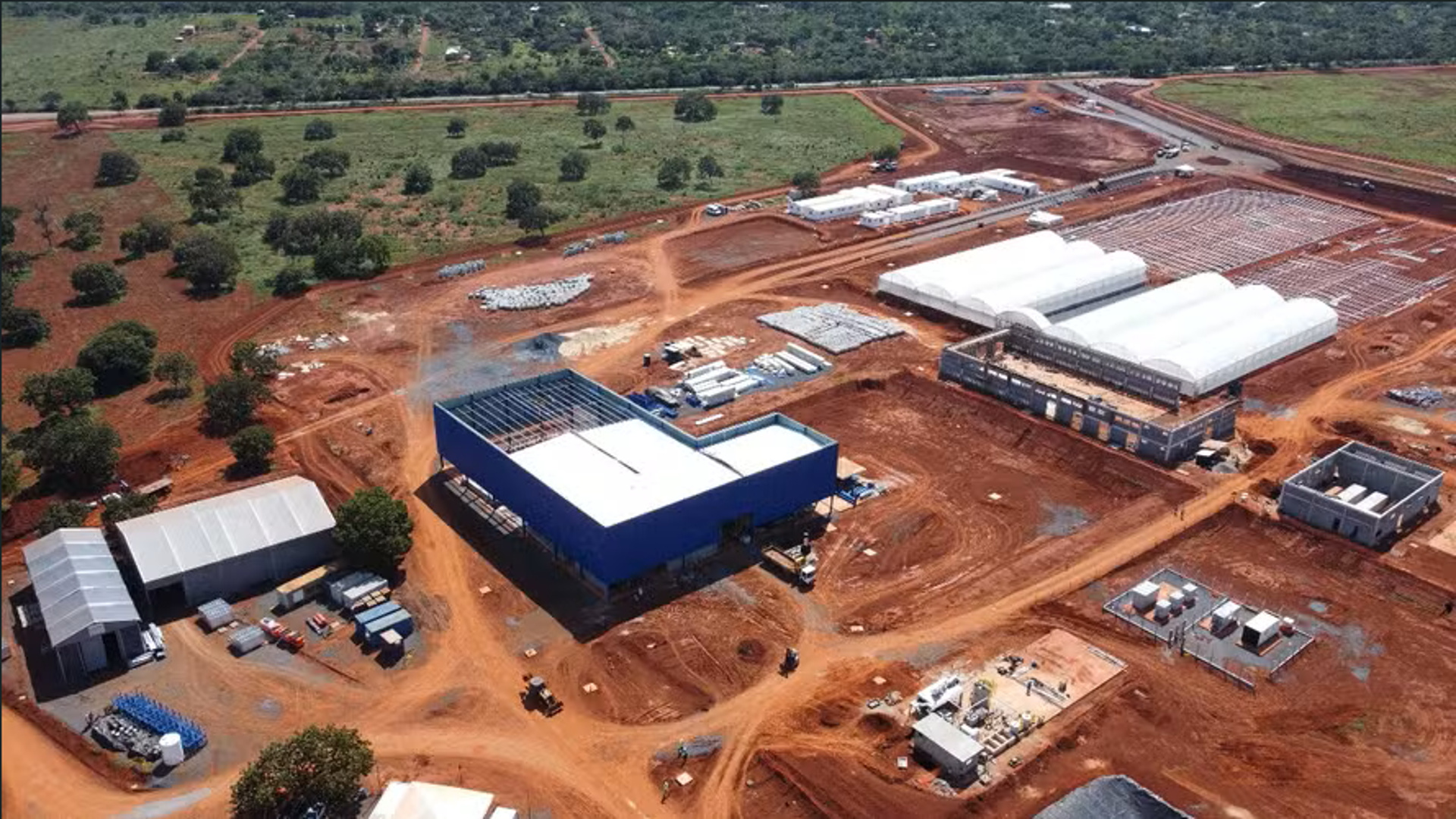

The approval of R$ 503.04 million by BNDES for Acelen marks a new advancement in the Brazilian renewable energy industry. The financing will be used for the implementation of a mega biorefinery in São Francisco do Conde, Bahia, focusing on the production of low-emission sustainable fuels.
According to BNDES information on May 21, 2026, the project is part of an investment package estimated at R$ 7 billion and is expected to begin operations in 2029. The expectation is to produce up to 1 billion liters annually of SAF, the sustainable aviation fuel, in addition to HVO, known as green diesel. The initiative also reinforces Bahia’s strategic role in the Brazilian energy transition.
BNDES releases R$ 503 million for Acelen’s mega biorefinery in Bahia
The support approved by BNDES will be granted through the BNDES Finem – Environment line, aimed at encouraging sustainable projects and industrial decarbonization.
-
Brazil to Introduce B16 Diesel with Increased Soybean Oil Content for Trucks by 2026
-
Brazil’s July Bolsa Família Payments May Include Extra $150 and $50 for Families with Children, Pregnant Women, and Updated CadÚnico Registration

-
Brazilian Woman Buys €1 House in Sicily, Clears 50 Truckloads of Debris, and Transforms Ancient Ruin into Inspiring Life Project by 2026

-
Havan Competitor Expands in Brazil with 170 Stores, Offering Everything from Stationery to Asian Food and Focusing on Affordable Products to Attract Shoppers



The operation brings together a consortium formed by twelve financial institutions, led by HSBC and IFC, an institution linked to the World Bank Group. The objective is to ensure long-term financing to accelerate the implementation of Acelen’s mega biorefinery in Bahia.
According to Leonardo Yamamoto, partner at Mubadala Capital, Brazil has favorable characteristics to lead the global advancement of renewable fuels, mainly due to the combination of agricultural production, clean energy matrix, and industrial capacity.


HEFA technology transforms waste into sustainable fuels
The new mega biorefinery will use HEFA technology, considered one of the main industrial routes in the world for the production of SAF and HVO. The system allows the transformation of biomass into renewable fuels with lower greenhouse gas emissions.
Initially, the unit will use:
- Used cooking oil
- Soybean oil
- Plant biomass
- In the future, derivatives of macaúba
The macaúba, in fact, is seen as a strategic raw material for the future of sustainable fuels in Brazil. The company’s agro-industrial project plans for planting, extraction, and processing of the crop to expand renewable production in the coming years.
Besides the advanced technology, the location of the enterprise also draws attention. The plant will be next to the Mataripe Refinery, taking advantage of the existing logistical infrastructure and access to the Madre de Deus Terminal.
Bahia gains strength in investments related to energy transition
The choice of Bahia to host the megabiorrefinery reinforces the transformation of the state into one of the main Brazilian hubs of renewable energy.
Acelen’s project plans for the cultivation of approximately 144,000 hectares in degraded areas. Part of these areas will be allocated to partnerships with family farming and small rural producers.
According to the company, about 20% of the planned area will be integrated with partner producers, creating a model that mixes productive regeneration, social inclusion, and sustainable development.
The investments can also strengthen different sectors of the regional economy, such as:
- Infrastructure
- Logistics
- Agriculture
- Technology
- Transport
- Industrial fuel chain
Another differentiator is the international focus of the project. The region’s logistical structure increases the competitiveness of Brazilian production in the external market, especially in the sustainable aviation fuels sector.
Megabiorrefinery expected to generate 3,600 jobs and move billions
The implementation of the megabiorrefinery is expected to generate around 3,600 jobs during the construction phase in Bahia. After operations begin, scheduled for 2029, the estimate is for approximately 300 permanent direct and indirect jobs.
The economic impacts can go far beyond industrial operation. A study by the Getulio Vargas Foundation (FGV) indicates that the integrated chain of the project could move up to US$ 40 billion in the Brazilian economy over the next decade.
The research also estimates the potential to generate approximately 85,000 direct and indirect jobs related to the biofuels and renewable energy chain.
Luiz de Mendonça, CEO of Acelen Renováveis, highlighted that the financial structure built for the project demonstrates the technical, economic, and socio-environmental robustness of the initiative.
Acelen accelerates production of low-emission fuels
The global market for sustainable fuels is experiencing a strong expansion, especially after the increase in international carbon reduction targets.
In the aviation sector, SAF appears as one of the main solutions to reduce emissions without the immediate need to replace current aircraft. Meanwhile, HVO is gaining ground as an alternative to traditional fossil diesel.
Currently, about 90% of the future commercialization of fuels produced by the megabiorefinery already has negotiated structure, a factor that increases the economic security of the project.
The participation of the IFC in the financial structuring also adds international credibility to the venture. The institution conducted technical, environmental, and social analyses before participating in the operation alongside BNDES.
The project will follow global standards of sustainability, governance, and socio-environmental responsibility used in major international infrastructure and energy transition initiatives.
What the project represents for the future of energy in Brazil
Acelen’s megabiorefinery emerges as one of the largest industrial projects related to energy transition under development in the country. The investment approved by BNDES strengthens Brazil’s strategy to expand the production of renewable fuels and reduce emissions in the transport sector.
With billion-dollar investments, advanced technology, and job generation potential, the venture enhances Bahia’s relevance in the new green economy.
The combination of biomass, logistical infrastructure, and large-scale production places Brazil in a strategic position in the international sustainable fuels market, especially in a global scenario increasingly focused on decarbonization and the development of clean energy.
With information from BNDES.


