






 Portuguese
  Spanish


Initiatives Seek to Reduce Emissions and Strengthen the Company’s Commitment to Sustainability in the Energy Sector
Petrobras announced new carbon capture and storage (CCUS) projects on April 28, 2025. In this way, the company reinforces its commitment to the energy transition and, moreover, to the consequent reduction of emissions. Furthermore, this initiative is part of a strategy that, in turn, aims to improve the company’s results. Therefore, this strategy is essential for achieving the established goals. Consequently, it plays a fundamental role, allowing effectively the objectives to be reached. This strategy, therefore, aims to modernize the company’s operations, especially in offshore and onshore activities. Additionally, it seeks to make processes more efficient and aligned with new market demands.
These new projects, therefore, continue the actions outlined in the company’s strategic planning for the coming years. Moreover, the goal is to integrate technologies that, in this way, reduce the environmental impact of oil and gas production.
According to Valor Econômico, Petrobras seeks to consolidate carbon capture in its business model. This, in addition, is aligned with the Paris Agreement and, similarly, with ESG practices.
-
Brazilian scientists are simultaneously advancing two research projects on clean hydrogen and driving solutions that could transform the energy matrix, enhance industrial competitiveness, and accelerate large-scale emission reduction targets.

-
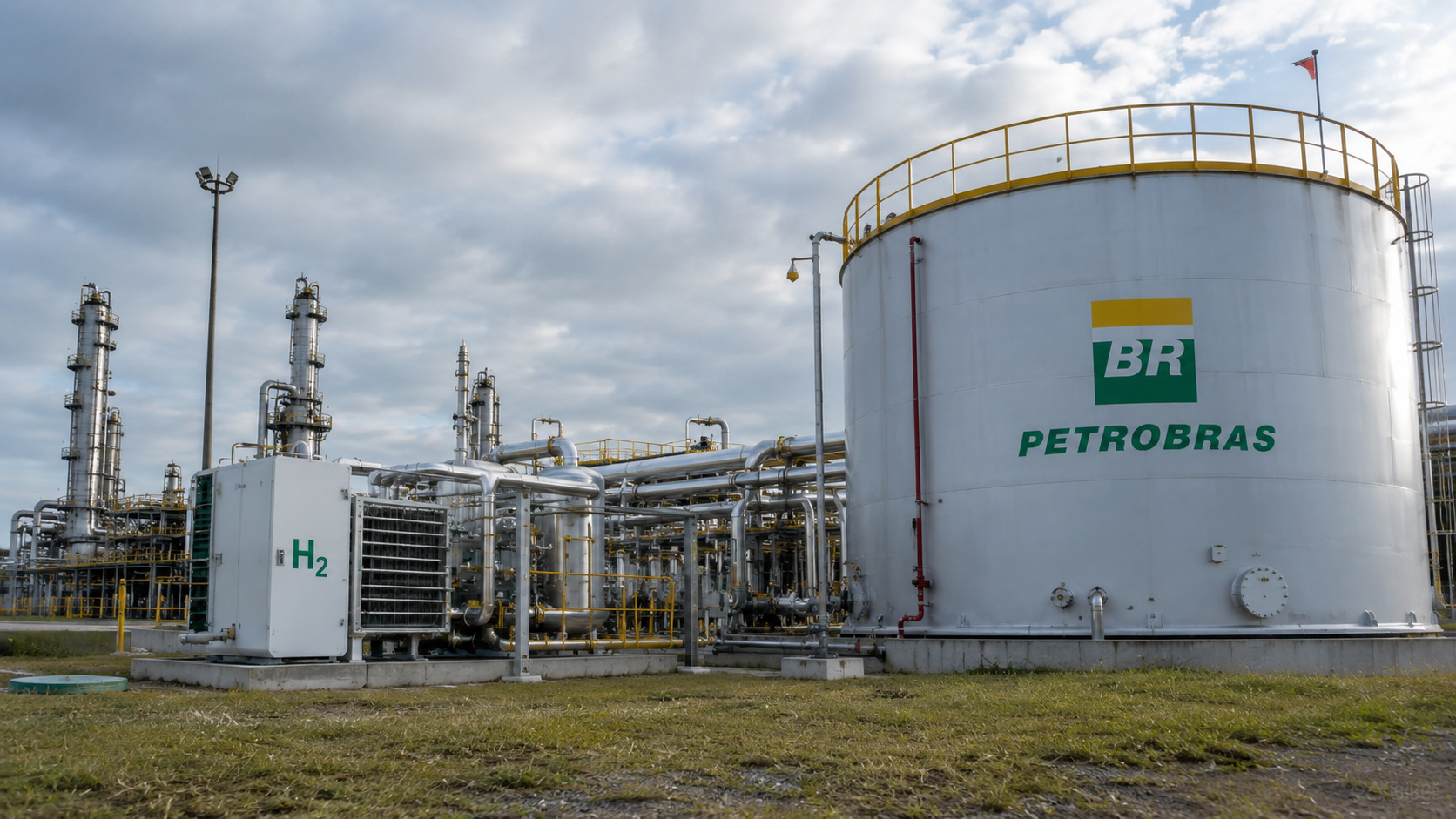
Advancement in renewable energy: A R$ 150 million project launched by Petrobras and Finep aims to create state-of-the-art electrolyzers for green hydrogen, strengthening national research and preparing Brazil to compete in a billion-dollar energy market.
-
Illiterate or semi-literate grandmothers were trained to repair solar systems, open rural workshops, and light up homes that still depended on kerosene.
-
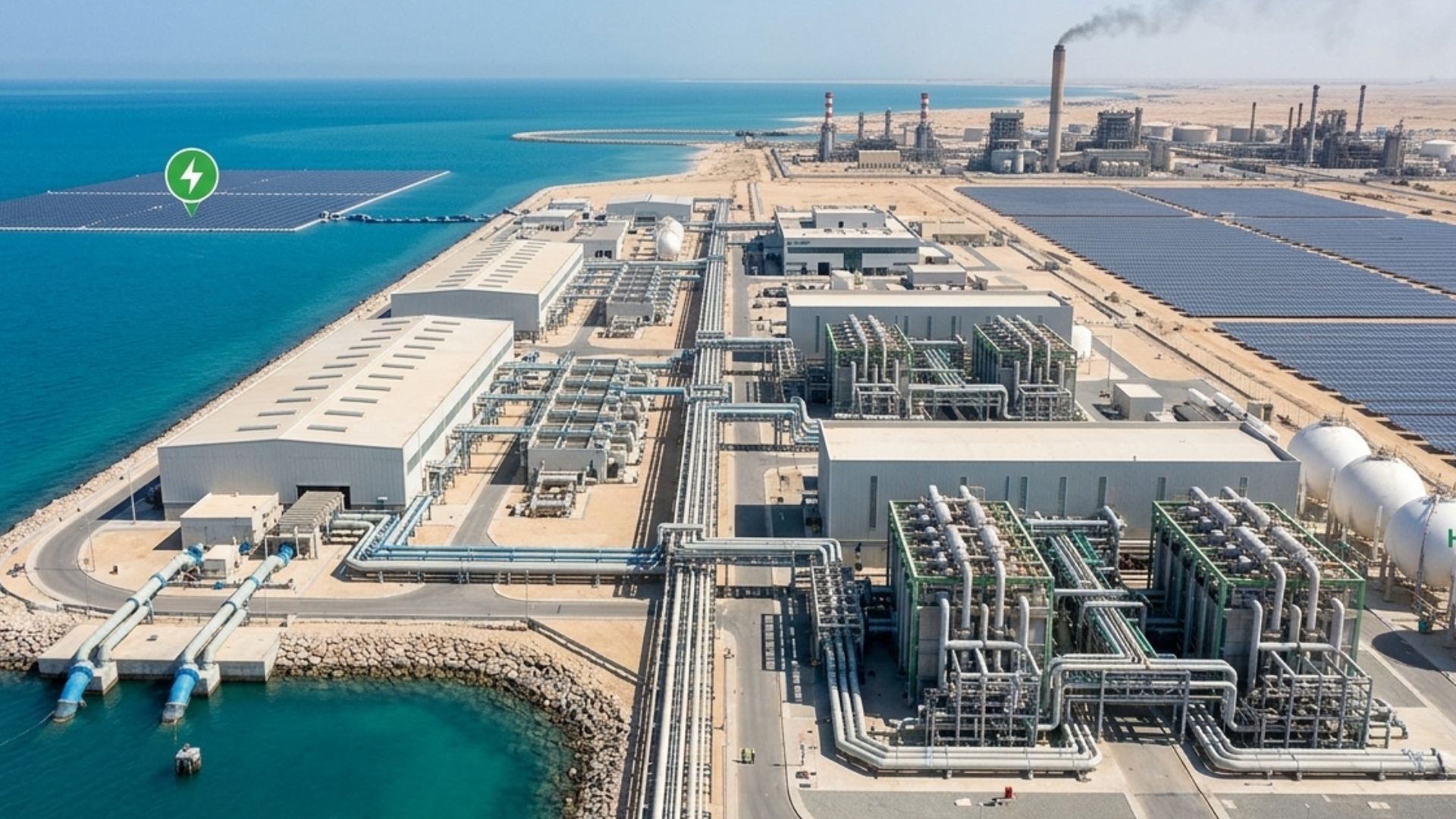
The world has bet on green hydrogen as the fuel of the future, but now faces the side effect: producing 1 kilogram requires about 9 liters of ultrapure water, and the largest projects on the planet are precisely in the driest regions of the Earth, where water is already scarce for people.



Investments in Carbon Capture Technologies
To enable its objectives, Petrobras has announced investments in pilot units that, in turn, will test different technological solutions for carbon capture and storage.
These projects are being developed in partnership with universities, research centers, and private companies specialized in decarbonization technologies.
The technologies being tested, therefore, range from emission capture to storage in secure geological reservoirs. Additionally, whenever possible, the infrastructure of mature oil fields is utilized.
Petrobras highlighted that, moreover, technological innovation will be essential to increase the efficiency of projects and, consequently, allow their commercial expansion in the coming years.

Opportunities in Pre-Salt
Among the highlighted areas for the development of carbon capture projects, the pre-salt has been identified as a priority.
The geological conditions of the region, in turn, offer great potential to store, thus, significant volumes of carbon. This, therefore, could position Brazil prominently as a leader in the development of technologies for deepwater oil exploration.
According to Valor Econômico, Petrobras expects that by 2028 the first pilot projects in the pre-salt will advance significantly, contributing, thus, to the reduction of emissions from operations.
Moreover, investments in CCUS in the region aim, therefore, to ensure that oil production in the pre-salt consequently has a reduced environmental impact.
In this way, the initiative meets, therefore, international standards for climate responsibility, and thus contributes to ensuring, in this way, global compliance with sustainable practices.
Commitment to Reducing Emissions
Carbon capture has been, therefore, incorporated by Petrobras into its business plan, in addition to being included in its goals for reducing carbon intensity in operations.
The company intends, therefore, to progressively decrease emissions in the coming years. Moreover, it will integrate carbon capture as an essential tool to support the sustainable energy transition.
Investment in carbon capture technologies, therefore, meets the expectations of both investors and consumers, who, in turn, are increasingly attentive to sustainable practices in the energy sector.
Petrobras emphasized, therefore, that its strategy is thus aligned with principles of transparency, measurement, and reporting of results, according to, in turn, international standards of environmental governance.
Transparency and Governance in the Energy Transition
As it advances in carbon capture projects, Petrobras thus reaffirms its commitment to innovation and, consequently, to environmental responsibility.
The actions, therefore, aim to meet future regulatory requirements while supporting Brazil in fulfilling its international climate commitments.
The company, therefore, reinforced that it will continue to maintain continuous review processes, thus ensuring the accuracy of the information disclosed about its carbon capture initiatives.
These efforts, in addition, involve the public disclosure of results obtained from pilot projects, which, in turn, allows for a transparent evaluation of progress in emission reductions.









