Portuguese
  Spanish



Petrobras’ Decision on Platforms Could Have a Major Impact on Job Creation and Income in the Country
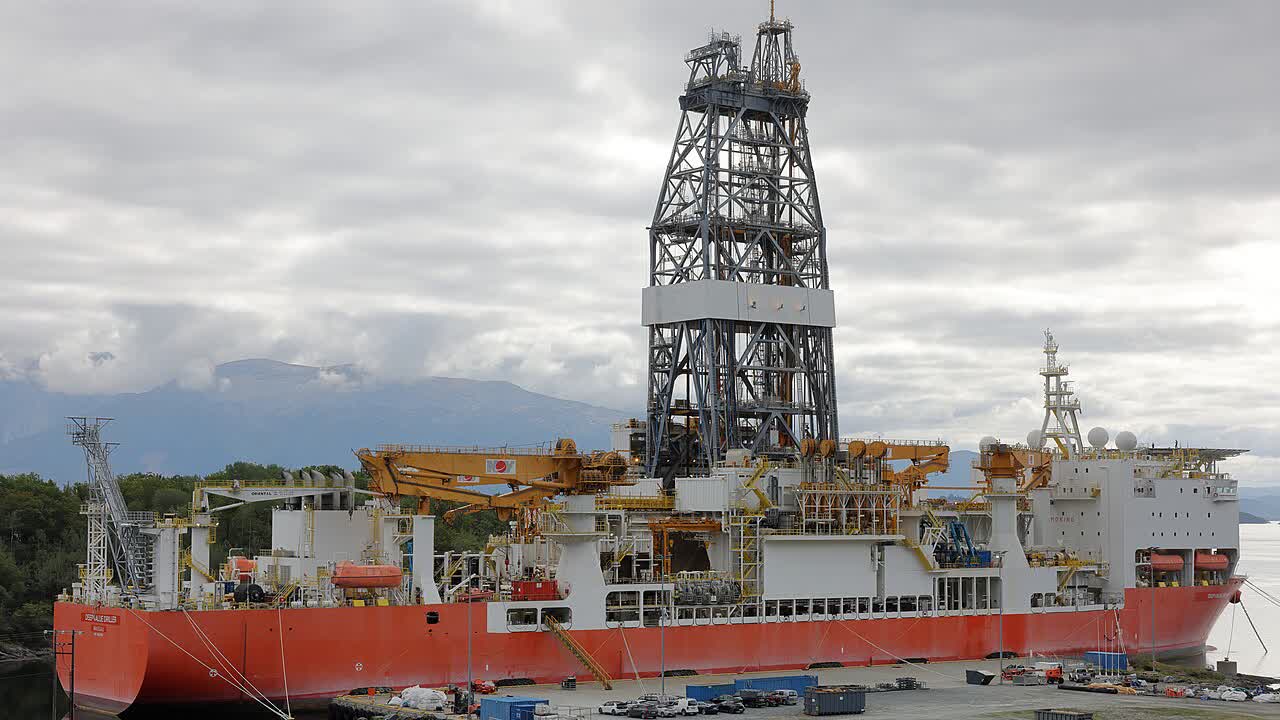
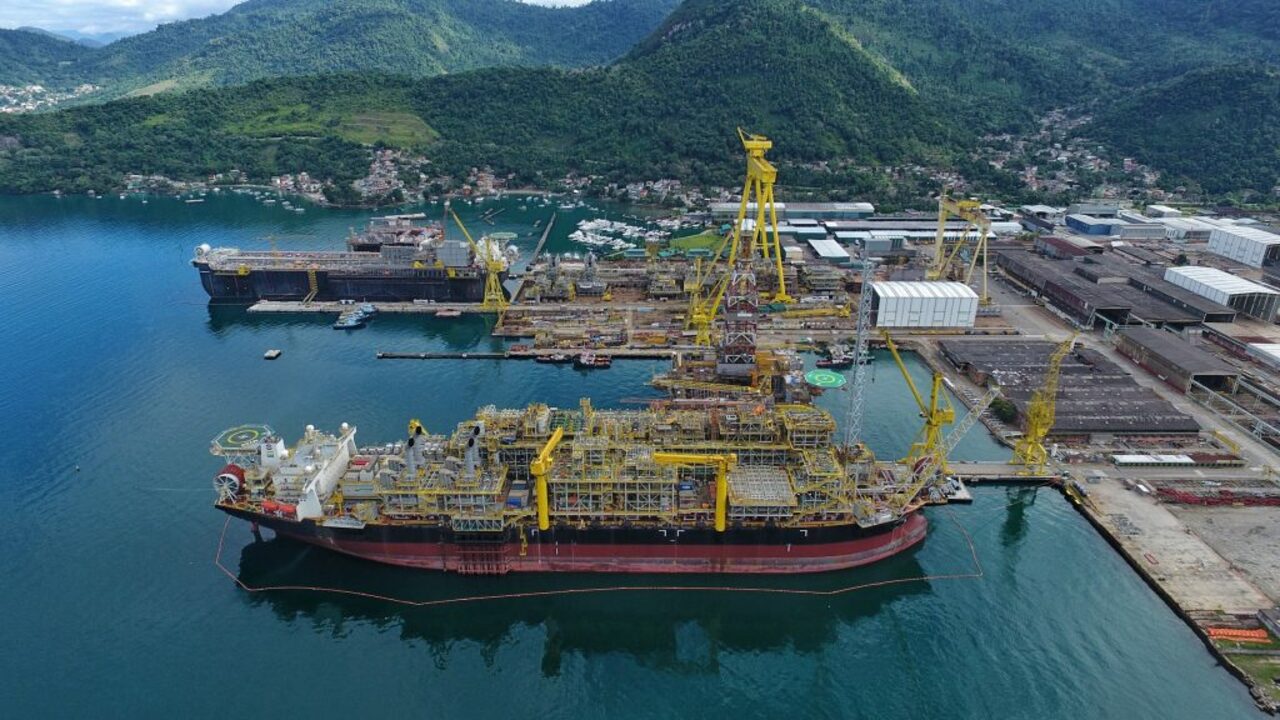
This week, Petrobras announced that it will no longer build the P-78 and P-79 platforms in Brazilian territory, aiming to take the project to the Asian continent, which will be responsible for providing space for the construction of the platforms. The decision had a significant impact on Brazil, which was already counting on this construction that would generate jobs and income for the country, which is facing a high unemployment rate, even before the Covid-19 pandemic.
Also Read
Petrobras Retreats and Benefits Asian Countries with Platforms
These platforms would have been built in Búzios, in the State of Rio de Janeiro, potentially generating around 8,000 direct jobs and 80,000 indirect jobs. As the state is facing a serious economic crisis, Petrobras decided to retreat from the decision and hand over this project to Asian countries, even though the works in Búzios were already underway. Petrobras may change its mind, but for now, the project proceeds to Asia.
“I had a conversation with the president of Petrobras [Roberto Castello Branco]. He was clear: ‘I will buy where I need to buy at the lowest price,’” said Sérgio Bacci, vice president of the Naval Industry Union.
-
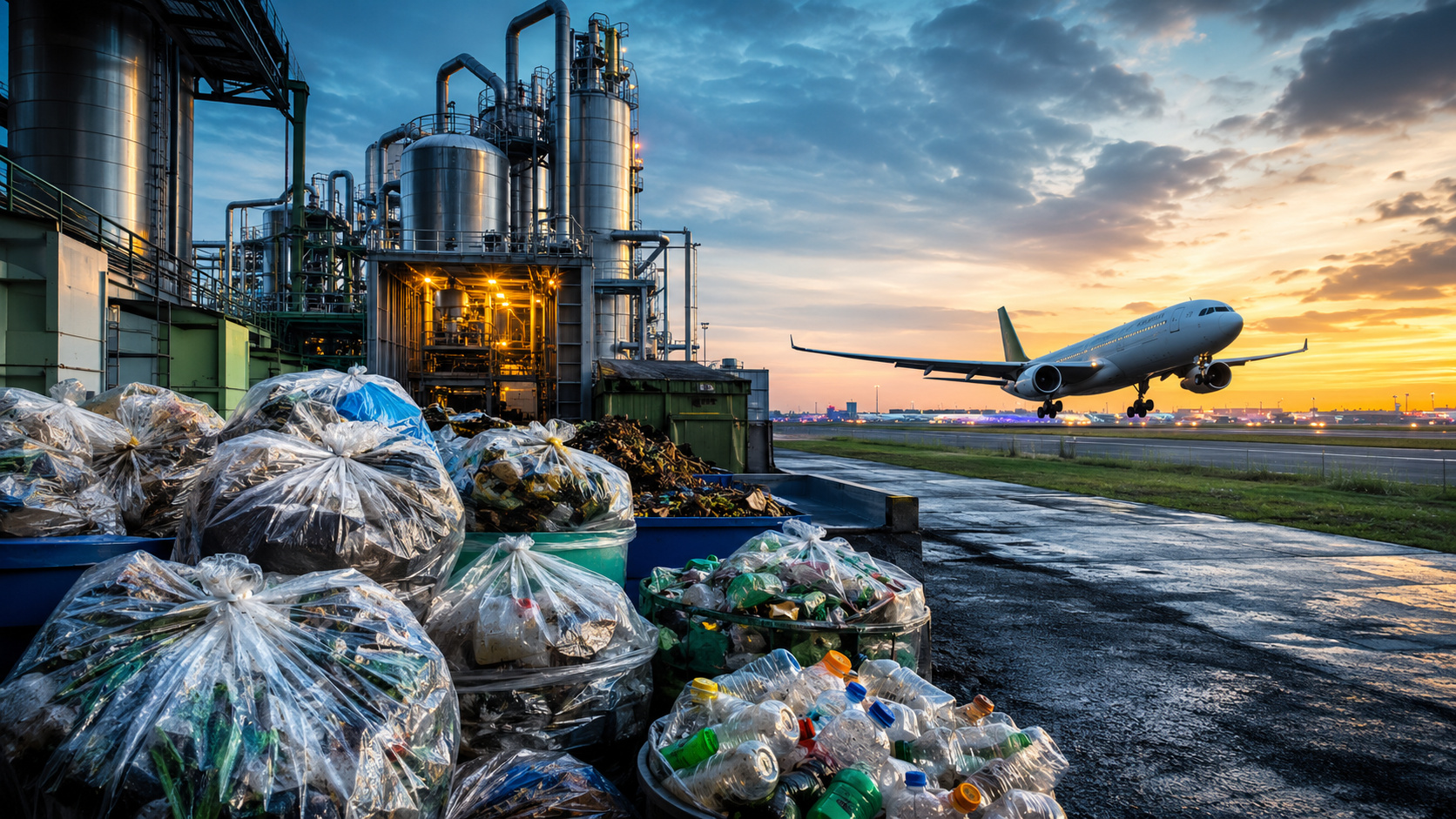
Qantas and Airbus Invest in Company Aiming to Convert Unsorted Household Trash into Jet Fuel

-
Brazil’s ANP Opens 86 New Oil Blocks in the Equatorial Margin, Expanding the Amazon River Mouth Frontier

-
OPEC+ Boosts Oil Supply by 188,000 Barrels per Day in July 2026, Leading to Price Drop from $112 to $89 per Barrel in Under Two Months

-
TotalEnergies Signs 20-Year Deal to Purchase 2 Million Tons of LNG from Alaska, Boosting Project Viability

No Development for Brazil
During Roberto Castello Branco’s management at Petrobras, the commitment to public policies that favored the country’s development was removed. Currently, Petrobras does not operate in favor of Brazil, literally acting as a private company, only operating in the country for its own benefit.
Due to the difficulty of producing equally or at least similarly to Asia, for financial reasons, Brazil is unable to maintain regularity when it comes to delivery deadlines for orders, which would lead to a decrease in production costs.
Bacci states that the liberalism imposed by Paulo Guedes, the current Minister of Economy in the Bolsonaro government, brought neutrality to any type of obstruction to the dismantling of the sector as a strategy, since Brazil is home to one of the highest volumes of pre-salt reserves, and neither the Federation of Industries of the State of RJ (Firjan) nor the Fluminense caucus in the National Congress has managed to change this situation.