Portuguese
  Spanish



Chevron Plans to Allocate US$ 10 Billion by 2028 to Invest in Projects That Reduce Carbon Emissions from Its Operations
Last Tuesday (09/14), oil giant Chevron announced its intention to triple investments in projects that will reduce its emissions and develop renewable energy that is less polluting than oil, without convincing activists who demand strong actions against climate change. The oil company plans to allocate US$ 10 billion by 2028 to reduce carbon emissions from its operations, increase the production of energy from non-fossil sources, and capture carbon. Read more: Federal Government inaugurates transmission line that will facilitate the delivery of renewable energy from the Northeast to other regions, avoiding the use of hydroelectric power plants
- Job vacancies for incomplete elementary, high school, technical, and higher education to work in construction and industrial maintenance
- Ahead of Tesla, General Motors, and other manufacturers, Amazon’s Rivian starts production of electric pickup
- U.S. Faces Truck Driver Crisis and is Seeking Drivers from Other Countries Willing to Work
- Machine Learning: The Technology That Promises to Revolutionize Freight Transport, Optimizing Processes and Reducing Costs
- Consumers Start to Refuel with CNG in Paraíba and Save Over R$ 700 Per Month
Chevron Will Invest in Climate Change
The group’s president, Mike Wirth, at the start of a presentation on Chevron’s “energy transition,” stated that the company believes climate change is real and that human activity, including the use of fossil fuels, contributes to it. “We believe that the future of energy lies in low carbon emissions, and we intend to lead” this sector, he added.
Like its competitor ExxonMobil, Chevron’s shareholders asked in late May for the company to reduce indirect greenhouse gas emissions from its products. The petition author celebrated that “Chevron has finally agreed to talk about the energy transition” and “to increase its investments in lower-carbon energy.”
-
Fired during apartheid and with a little borrowed money, an electrician started with a borrowed truck and transformed electrical services into a group connected to energy, real estate, and infrastructure in South Africa.

-
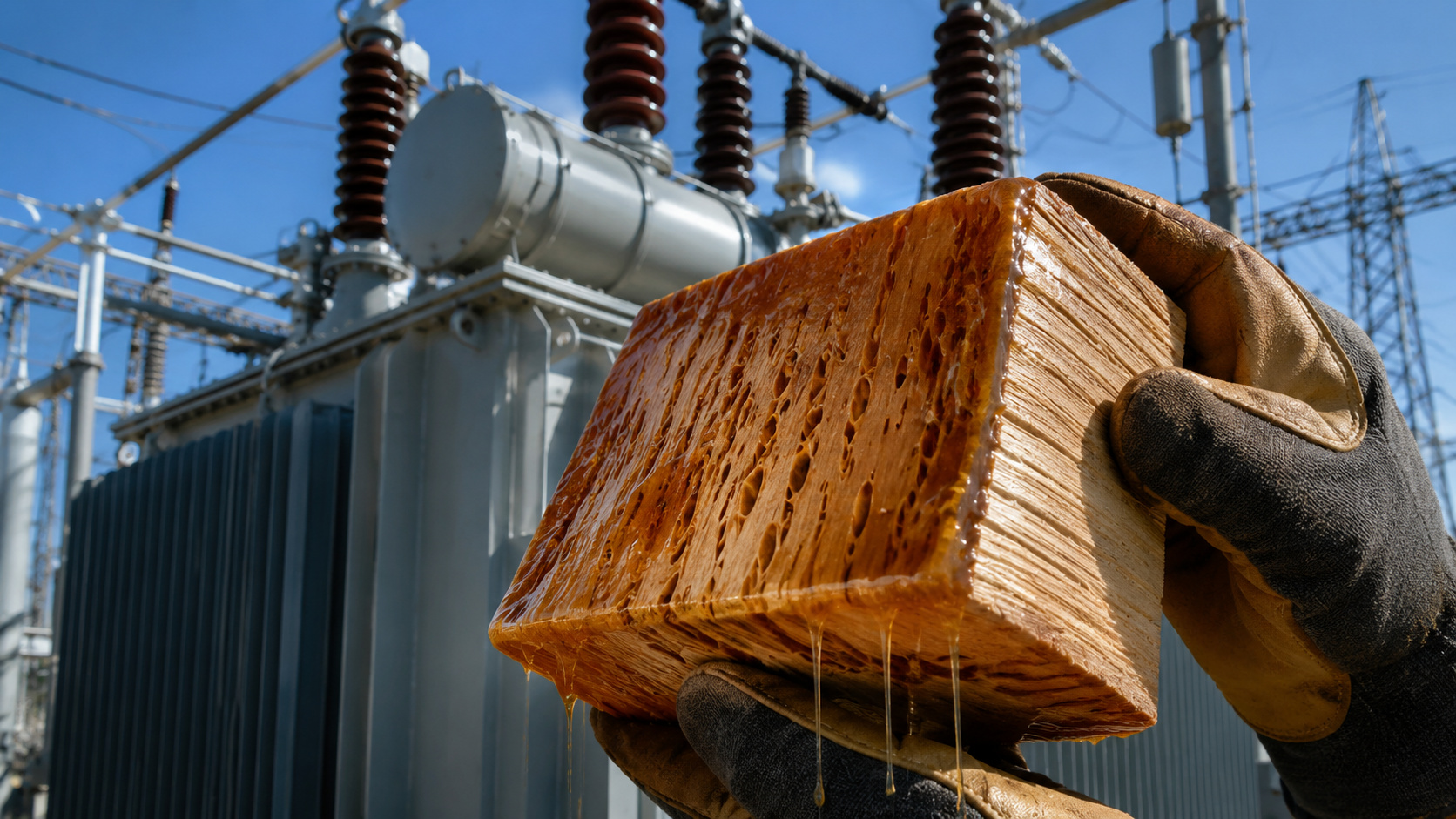
Wood has ceased to be just a construction material in Yale research and has become insulation for electrical transformers that face intense heat, aging, and increasing pressure from the renewable energy-powered grid.
-
More than 1,000 residents of a remote island in Kiribati now have clean water and electricity with solar systems operated by the community itself.
-
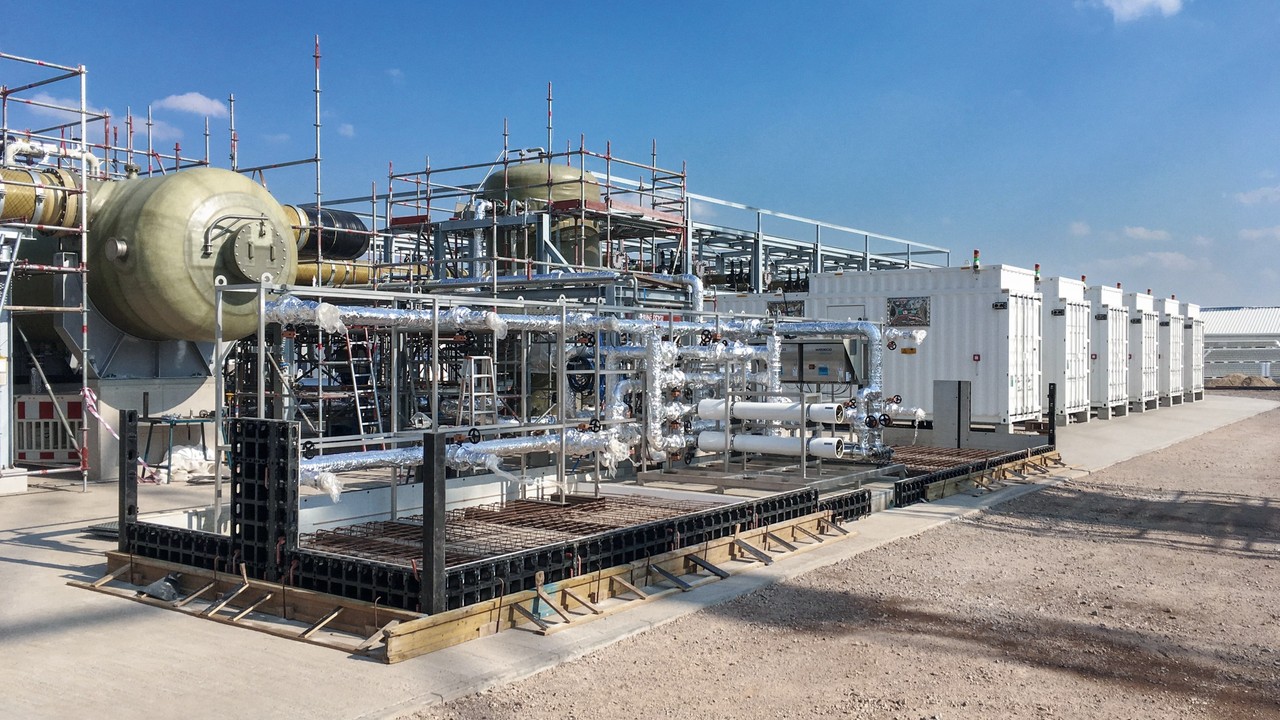
Ceará brings together 7 giants and R$ 66 billion to transform Pecém into the largest green hydrogen hub in Brazil, with final decisions expected by the end of 2026.



The Projects Chevron Will Invest In
The investments Chevron proposes, theoretically an average of US$ 1.4 billion per year, represent less than 10% of the expenses the group plans to spend each year for development (US$ 15 to 17 billion from 2022 to 2025). Chevron aims to devote US$ 3 billion to carbon capture and compensation projects, as well as US$ 3 billion to non-fossil fuels and renewable natural gas from the decomposition of organic waste.
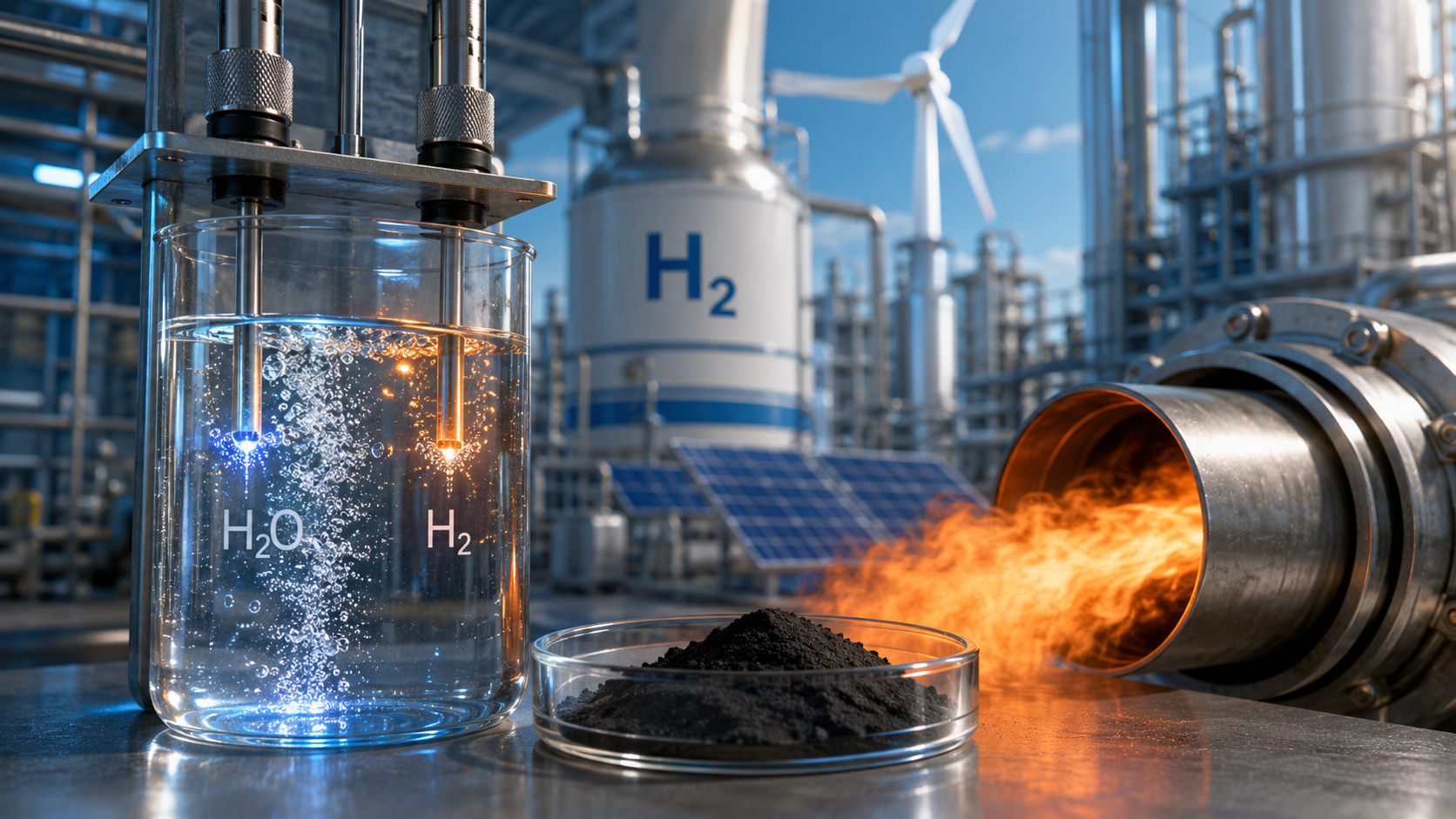
The company will also invest US$ 2 billion to produce hydrogen and US$ 2 billion to reduce the intensity of carbon emissions in its operations, meaning the relationship between its CO2 emissions and Chevron’s production.
The group has not planned to venture into solar or wind energies, nor has it committed, like TotalEnergies and BP, to achieve carbon neutrality by 2050. Chevron prefers, for now, to focus this decade on reducing its emissions while awaiting the arrival of new technologies and policies that will allow them to go further.
Also Check: Caterpillar and Chevron Sign Contract to Develop Projects Using Hydrogen
Chevron and Caterpillar recently announced a partnership to develop hydrogen demonstration projects in transportation and stationary energy applications. The collaboration aims to confirm the viability and performance of hydrogen for use as a commercially viable alternative to traditional fuels for rail and maritime transport ships.
The collaboration also aims to demonstrate hydrogen use in main generation. The companies are said to have agreed to demonstrate a hydrogen-powered locomotive and an associated hydrogen refueling infrastructure. Work on the rail demonstration will begin immediately at various locations in the United States, according to Chevron.