Portuguese
  Spanish


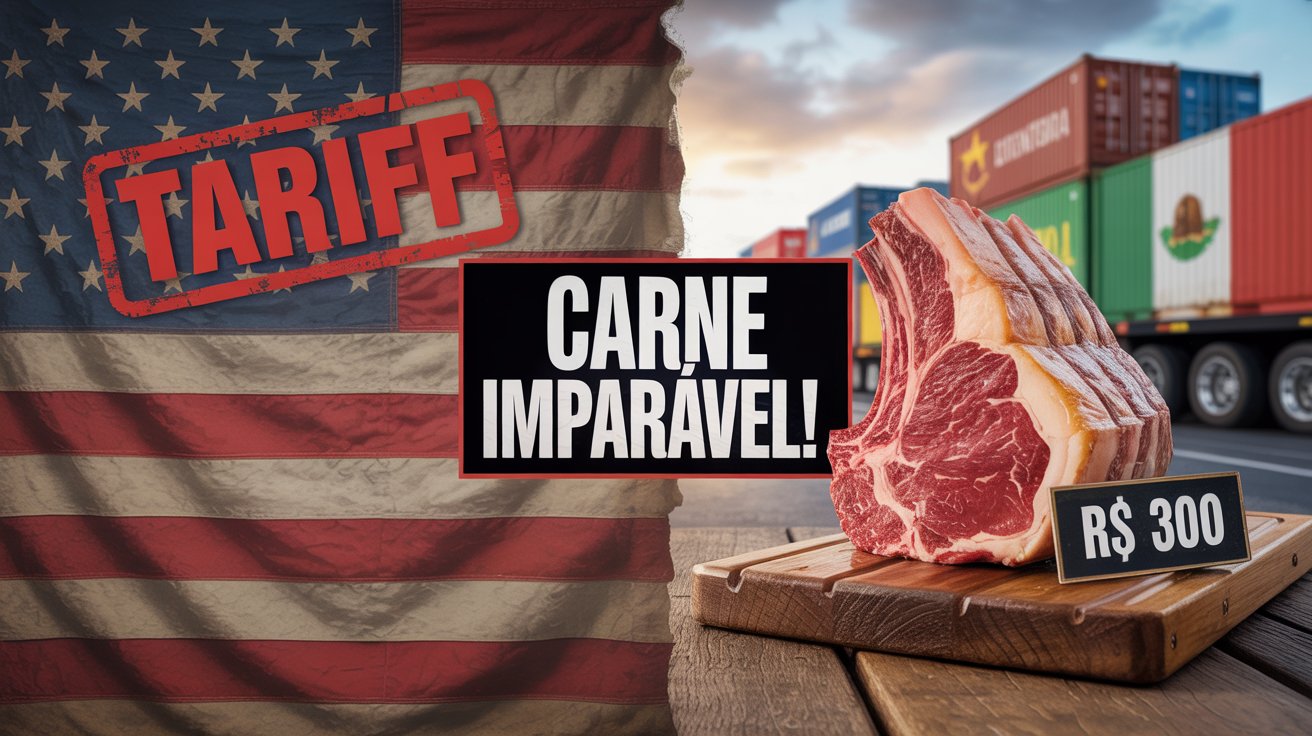


The Increase In Brazilian Beef Exports Compensated For The Drop In Sales To The United States After The Tariff Kept Demand Strong And Prevented The Expected Reduction In Prices For The Brazilian Consumer.
The tariff package adopted by the United States in July and August 2025 did not lower beef prices in Brazil, according to information from Jornal Nacional, which aired on Monday (09).
Despite expectations that the reduction in sales to the North American market would increase domestic supply, the movement was offset by other buyers and prices remain pressured.
In 2024, the subitem meats in the IPCA rose 20.84%. In 2025, there were slight declines, but insufficient to reverse the accumulated increase.
-
Brazilian City Makes Remarkable Leap, Becomes 4th Wealthiest in the Country with GDP of R$ 134.1 Billion

-
Controversial 6-day Workweek Elimination in Brazil Faces Economic Criticism Over Productivity Claims

-
Itaú to Refund Customers After 14 Years of Unauthorized Credit Card Charges; Agreement Includes No Interest or Adjustments, Deadline by 2028, with Potential Impact of Up to $6.5 Billion

-
Brazilian Company Grows from Bartering Soap for Food to Producing 30 Million Units Monthly, Challenges Global Giants with $100 Million Revenue and Expands into Premium Cosmetics



U.S. Tariffs Do Not Bring Down Prices In The Internal Market
Starting at the end of July, the White House reinforced the policy of generalized tariffs on imports, which also affects Brazilian products.
The hypothesis of economists was straightforward: with the loss of competitiveness in the American market, part of the shipments would migrate to domestic consumption, increasing supply and easing prices.
This was not observed on the shelves.
In the short term, retail recorded only marginal declines, while the price level remains high compared to what was observed before the price increase cycle.
In the IPCA-15 for August 2025, for example, “Food at Home” fell again, with a decrease in meat prices, but the reduction is small compared to the increases seen in the past year.
The perception of relief for the consumer, therefore, has not yet solidified.
Exports Remain Strong With China And Mexico Driving Demand
While the United States reduced purchases, other destinations increased orders.
From January to August 2025, Brazilian beef exports grew by about 34% year-on-year.
During this period, China increased its purchases by 41%, remaining the main destination.
Mexico accelerated its purchases by over 250%, after a broader market opening and new approvals of Brazilian plants.
This redirection explains why domestic supply did not grow as expected.
Brazilian products remain competitive in dollars, and external demand absorbed a significant part of the production.
As a result: the flow of exports remained intense, reducing the chance of a strong correction in retail internal prices.
U.S. Loses Ground In The Destination Ranking
Until July, the United States was among the main buyers of Brazilian beef for the year-to-date.
In August, however, they dropped positions in the monthly ranking and left the top of the list.
This behavior reflects the combination of tariffs, changes in access conditions, and substitution by other markets with growing appetites.
This change in position helps to understand recent dynamics.
The volume displaced from the U.S. did not remain “leftover” in Brazil: it was absorbed by partners such as China, Russia, and Mexico, which sustained the pace of total exports and, consequently, domestic prices.
Beef Price Remains Strong In The Field
On the production side, the supply of finished animals remained tight due to the dry season in the Central-South region, when pastures lose vigor and cattle need supplementation.
The reference indicator for fat cattle has fluctuated around R$ 300 per arroba in markets such as São Paulo, with more recent records in the range of R$ 312/@.
This support limits declines in wholesale and, subsequently, retail. In addition to seasonal climatic factors, there are effects from the livestock cycle.
After a phase of greater disposal of females, herd replenishment tends to reduce short-term supply.
This process, when combined with strong external demand, usually keeps the price of arroba at firm levels, even in the face of currency fluctuations.

Internal Consumption Grows With Employment And Income
In the domestic market, demand is gradually responding. The unemployment rate reached 5.8% in the second quarter of 2025, the lowest level in the series.
With more people employed and real income recovering, some families are returning to include beef cuts more frequently in their shopping carts.
Still, substitutions with chicken, sausage, and offals remain common to navigate the budget.
For many households, beef remains an aspirational item, and when there is a surplus of income, the priority falls on protein.
Why Does The Drop In Wholesale Not Reach The Consumer?
There were moments, especially in July, when wholesale prices fell in dollars.
However, the pass-through to consumers is not automatic. The supply chain has inventories, contracts, logistical and tax costs that slow down the transmission of declines.
At the same time, when the price of arroba rises again, retail tends to quickly adjust labels to restore margins.
Meanwhile, occasional promotions appear on specific cuts, but do not change the overall picture.
The perception of “expensive meat” persists, especially for premium cuts, and there is still no consistent signal of a change in the short term.