Portuguese
  Spanish


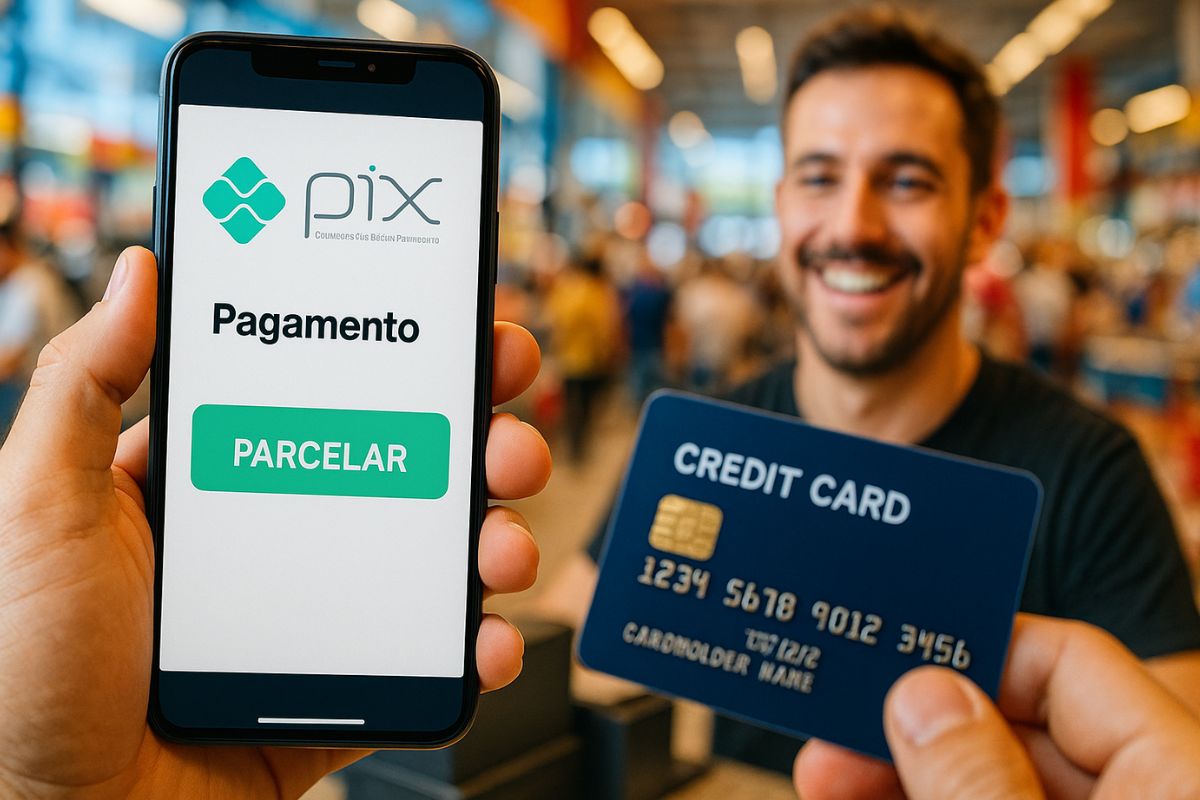


Will Pix Installments Work Like a Credit Card? Understand Similarities and Differences. New Feature From the Central Bank Promises Installments Via Pix and May Increase Access to Credit in Brazil
The Pix Installments Will Work Like a Credit Card in several aspects for the consumer, but it also brings important differences that may change the way Brazilians make higher-value purchases. According to Estadão, the Central Bank will officially launch the modality next month, promising lower fees and easier access for those without a card.
Today, about 60 million people do not have a credit card in the country, and Pix Installments emerges as an alternative for this audience. The customer will be able to split the purchase amount into installments, even without the total balance in the account at the time of the transaction, taking on the commitment to pay the bank in the following months.
How Pix Installments Resemble a Credit Card
For the consumer, the experience will be similar: the possibility of installment payments, a spending limit defined by the financial institution, and monthly debit of the installments. Just like with a credit card, the customer will be able to buy high-value products or services without paying everything upfront.
-
Family Quietly Transforms Old Sawmill into $700 Million Business, Opens 25 Stores in Two Years Across 22 Brazilian States

-
Couple Sold Their Home to Save Business, Now Run Platform Handling $180 Million Monthly and Managing Over 51 Million Listings
-
Brazil’s 2026 Tax Refund: Record 9.58 Million Filers in Largest Payout Ever, But a Key Detail on Priority Recipients Draws Nationwide Attention

-
Itaú Alters Hybrid Work Model, Increasing Office Days from 2028, Prompting Employees to Adjust to New Routine




Practical Example: in a purchase of R$ 1,000, divided into four installments, the customer will pay R$ 250 per month, plus interest charged by the bank. The difference is that the debit will occur always on the purchase date, month by month, instead of on a single bill.
Main Differences for Consumers
Despite the similarity, there are relevant changes. The Pix Installments tend to have lower fees and interest than a credit card, according to the Central Bank’s expectations, although the exact amount depends on each bank. Another difference is access: while credit cards require stricter credit analysis, Pix Installments may be made available to a larger audience.
The due date also changes: with a credit card there is a fixed day for the bill, while with Pix Installments the debit will occur on the same date as the purchase, every month, until the debt is settled.
Advantages for Retailers
For sellers, the major change lies in liquidity. With credit cards, the transfer of funds can take days or even weeks, depending on the contract with the operator. However, with Pix Installments, the payment will be instantaneous, ensuring immediate cash flow for retail.
This speed may attract retailers looking to reduce dependence on intermediaries and costs associated with receivables anticipation.
Do Pix Installments Already Exist?
Yes. Banks like Banco do Brasil have already offered the feature since 2022, but in a non-standardized manner. The novelty is that starting in September, the Central Bank will regulate the service, establishing unified rules for all institutions.
And What About Pix as Collateral?
Announced alongside Pix Installments, Pix as Collateral will allow companies to use Pix receivables as collateral in credit operations. The expectation is that this function will only reach the market in 2026, primarily aimed at larger businesses and financing.
And you? Do you think that Pix Installments will really democratize access to credit or risk encouraging more debt? Leave your opinion in the comments.