






 Portuguese
  Spanish


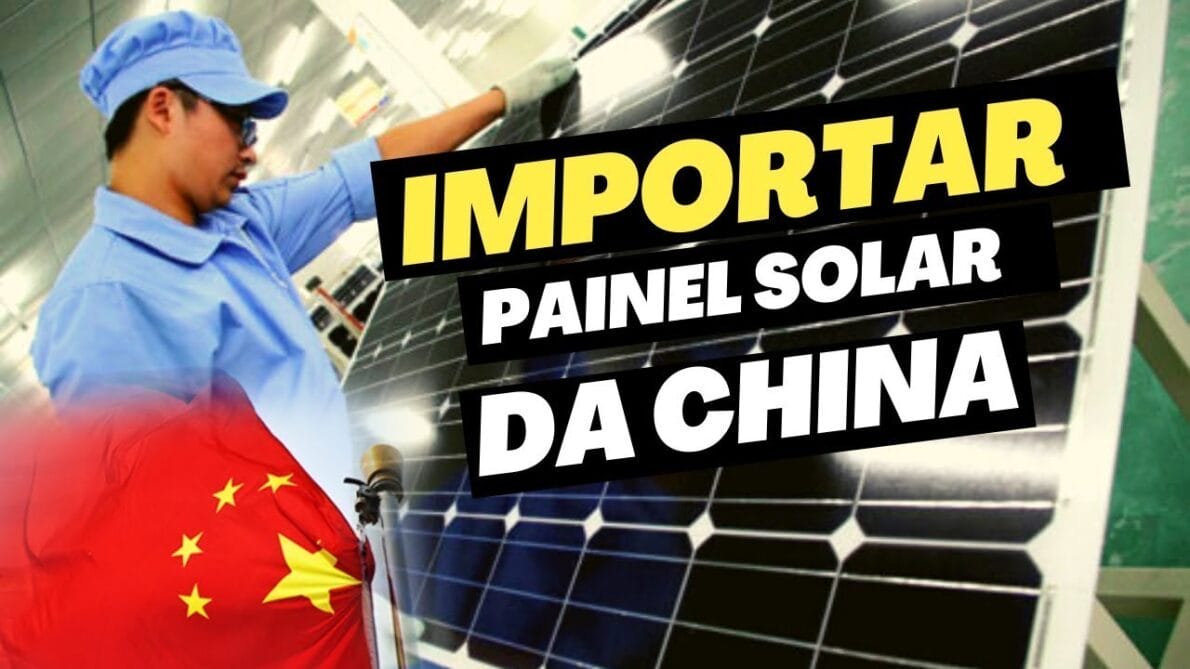


Is It Worth Buying Solar Panels Directly from China? Here’s What to Consider When Purchasing Chinese Solar Panels.
In countries like the Netherlands and Germany, the drop in solar panel prices has led to innovative uses, such as transforming these devices into garden fences, as reported by the “Financial Times”. This drastic reduction in costs is directly tied to the increase in production in China, which has been saturating the global market with its abundant supply. This scenario reinforces the discussion about the feasibility of importing solar panels directly from China to Brazil, a topic we will explore in detail in this article. Check out how to import a solar panel from China!
After All, Is It Worth Importing a Solar Panel from China?


China is the main trading partner for Brazilian importers investing in solar energy. With its large-scale production and efficient supply chain, China offers highly competitive prices on its photovoltaic modules.
Even with the recent measures from the federal government to encourage local production in Brazil, it is undeniable that China holds the vast majority of solar panels present in Brazilian installations. It’s no wonder that there is increasing talk about the possibility of directly importing solar panels from China. However, it’s not that simple.
-
Brazilian scientists are simultaneously advancing two research projects on clean hydrogen and driving solutions that could transform the energy matrix, enhance industrial competitiveness, and accelerate large-scale emission reduction targets.

-
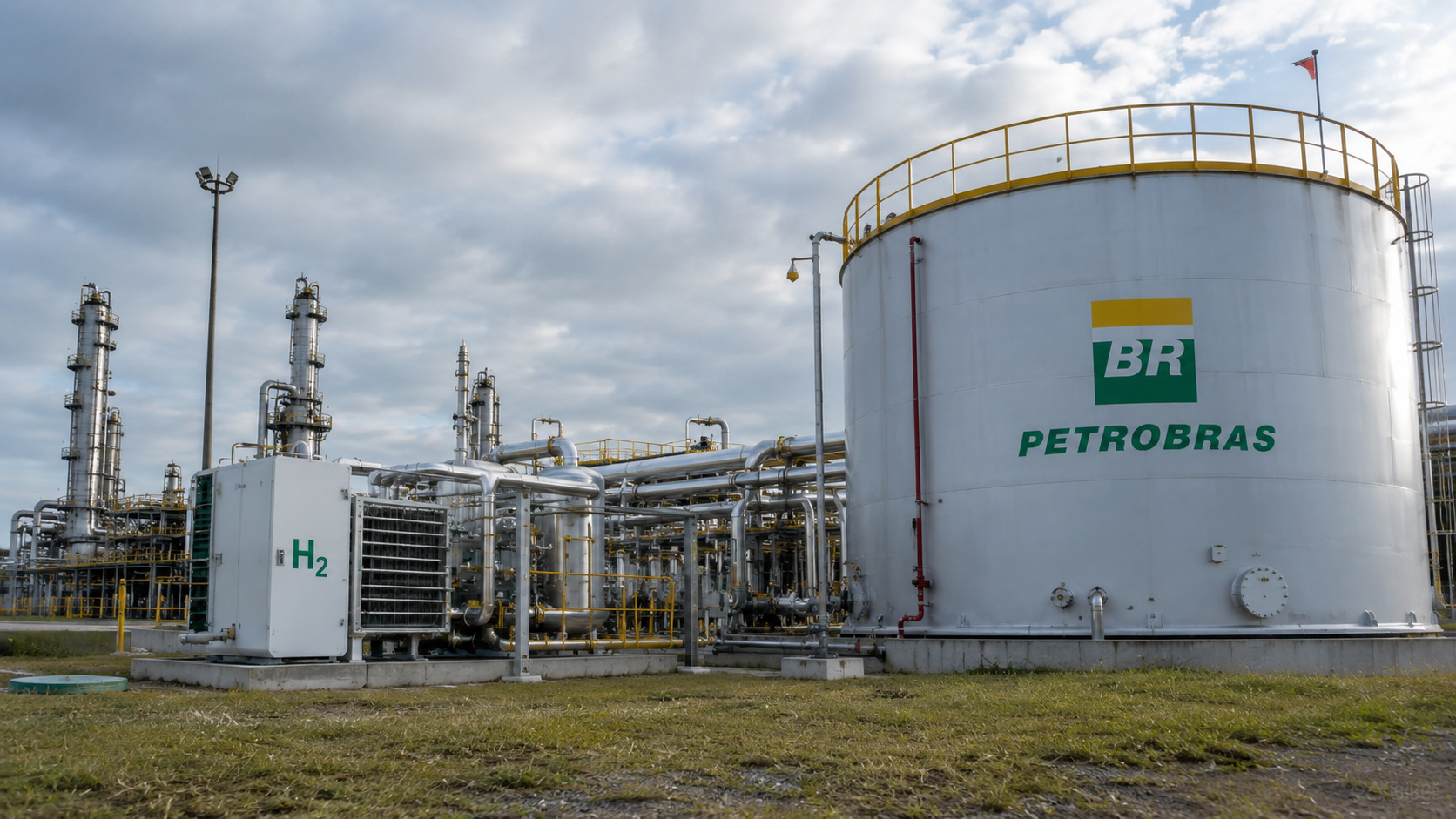
Advancement in renewable energy: A R$ 150 million project launched by Petrobras and Finep aims to create state-of-the-art electrolyzers for green hydrogen, strengthening national research and preparing Brazil to compete in a billion-dollar energy market.
-
Solar energy can increase property value by up to 10% and become a selling point.
-
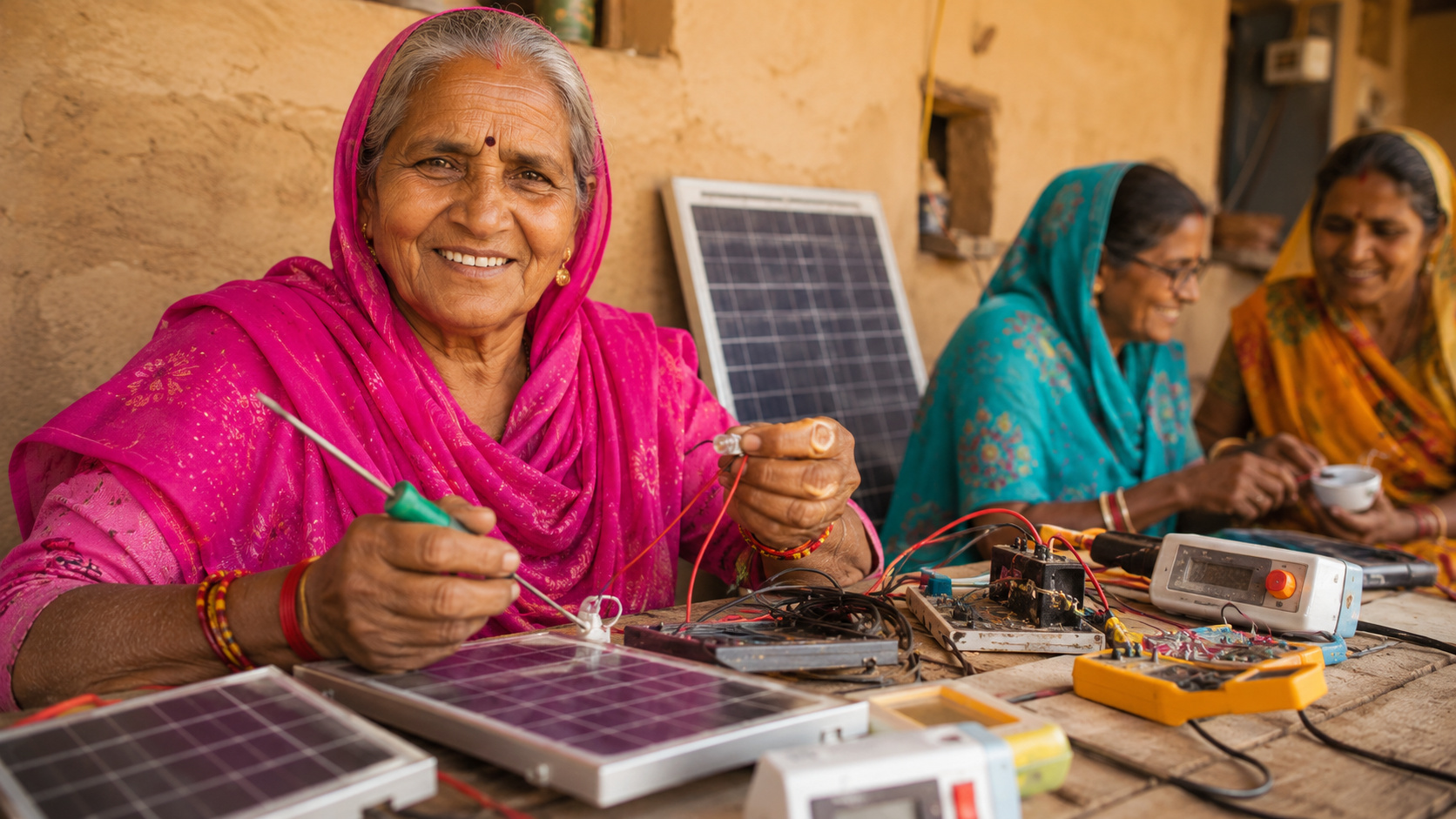
Illiterate or semi-literate grandmothers were trained to repair solar systems, open rural workshops, and light up homes that still depended on kerosene.


The harsh reality is that to buy photovoltaic panels directly from China, the buyer needs to have a considerable investment capital to actually be able to purchase a large quantity of modules.
After all, the larger the volume you buy, the greater the discount granted by the factory, and it is based on the high turnover of equipment distributors here in Brazil that we have such competitive prices today.
If you are considering importing solar panels as an individual (CPF) as new proposals arise, you will likely face difficulties. This is because large manufacturers in China generally prefer to do business with large companies in the solar energy sector that have CNPJ.
What Would Be the Necessary Investment to Import a Solar Panel from China?
To import solar panels from China in a viable manner, an approximate investment of R$ 200,000,00 is necessary. For small and medium-sized companies in the solar energy sector, this amount can be prohibitive.
Therefore, it is crucial to conduct a detailed analysis of the potential returns of this investment. Another critical aspect to consider are the taxes and bureaucracy involved, as each country has its own regulations, and understanding these rules can be complex.
Approaching this import process in an amateur manner presents significant risks, potentially resulting in the payment of fees far exceeding expectations, in addition to the administrative work involved. In summary, it is essential to consider federal taxes in imports, the exchange rate, the analysis of ICMS charges by the state receiving the photovoltaic modules, as well as to check all requirements for national customs clearance.
It is also crucial to ensure that all regulations are followed and that necessary tax payments are up to date.
Important Points to Note
Another important point when importing is certification and quality, as it is essential to ensure that the photovoltaic modules from China comply with international quality certifications and standards.
A crucial point is to verify if the solar panel from China in question meets the standards and regulations required by Brazilian authorities.
Additionally, when it comes to the logistics process of photovoltaic panels coming from China to Brazil, maritime transport is the most viable and common method for importing this type of component, because this modal perfectly meets the transportation needs of both a robust and simultaneously sensitive equipment. After all, these products are fragile and need to be handled with care to ensure they arrive intact at their final destination.








