






 Portuguese
  Spanish


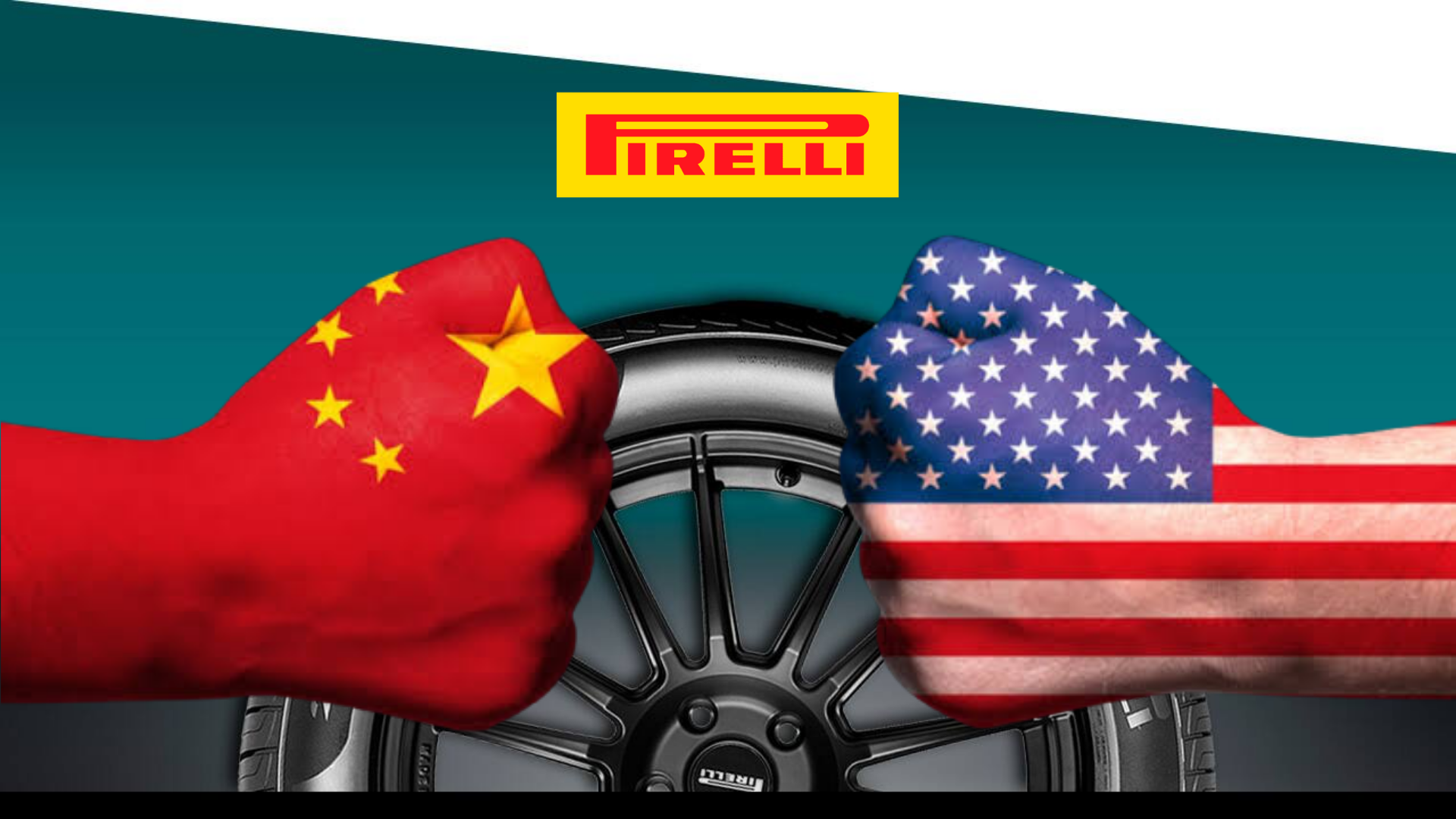

U.S. Regulation May Affect the Use of Advanced Technology Tires, Impacting Automakers and the Automotive Industry
The recent development in the relationship between the United States and Pirelli has raised concerns about national security and the influence of China in the automotive industry, according to the website Notíciasautomotivas. The U.S. government is considering lawsuits against the Italian tire manufacturer due to the use of advanced technology in its products, which has ownership ties to the Chinese government.
Pirelli’s Smart Tire Technology
Pirelli introduced the Cyber Tyre technology in 2021, an innovation that transforms ordinary tires into connected components. These tires are equipped with sensors that monitor crucial data such as temperature, pressure, and speed, transmitting this information in real time to the vehicle’s system. This technology not only enhances driver safety but also optimizes the car’s dynamic performance.
Did you know that this innovation can help prevent accidents by automatically adjusting tire pressure according to road conditions? This is a clear demonstration of how technology can save lives.
-
Toyota to Open New Factory in Brazil by November 2026 with $2.2 Billion Investment, Creating 2,000 Jobs, and Ending Corolla Production in Indaiatuba

-
Brazilian Factory Restores Truck Engines and Parts, Reducing Raw Material Use by Up to 85% After 80 Years in Business

-
British Marines Set Record by Changing Ford Escort Engine in 42 Seconds, Unbroken for 40 Years

-
BYD Owners in Brazil Raise Concerns Over Warranty After 87,000 km, Two Repairs in Three Days, and Over $500 in Costs




The New U.S. Regulation
With the implementation of new standards by the U.S. Department of Commerce in January 2024, Pirelli’s situation has become even more delicate. The regulation prohibits the sale and import of connected vehicle hardware and software systems from China and Russia. Although Pirelli is an Italian brand, the involvement of the Chinese state-owned company Sinochem, which controls 37% of its shares, raises national security concerns.
These new rules will be implemented gradually: the ban on the use of Chinese software in vehicles will begin in 2027, while the restriction on hardware, such as tire sensors, will take effect in 2030. How do you think this will affect the competitiveness of automakers using Pirelli technology?
Implications for the Automotive Industry
The situation is not just a legal issue; it also represents a significant commercial impact. Automakers that have adopted Pirelli’s technology may face difficulties in continuing to use the smart tires. They might need to seek exemptions to continue their operations, but the feasibility of this approach is still unclear. This will put pressure on companies to quickly adapt their strategies.
What does this mean for the future of innovation in the automotive industry? Do you believe manufacturers will be able to find viable alternatives, or will regulation limit technological progress?
The Race for Innovation and Safety
This episode highlights how geopolitics is influencing even the most basic components of the automotive industry. Tires, which could be considered an “analog” item, are now seen as potential points of technological vulnerability. The race for solutions that ensure innovation, performance, and national sovereignty will intensify in the coming years.
With the advancement of technology in connected vehicles, it is essential that both manufacturers and governments consider data security and privacy. Do you have any thoughts on how the industry should balance innovation and safety?
If you are interested in discussing this topic further or have questions about the impact of these changes, please leave your comments below! Your interaction can contribute to a richer conversation about the future of the automotive industry.





Esse monitoramento e rastreamento imposto, invasivo, não controlado, não solicitado e inescapável, está desenvolvendo uma paranóia coletiva. Muito curioso é o fato de que a destruição da privacidade era uma das críticas das sociedades ocidentais, que primavam pela liberdade do cidadão, quanto aos regimes **** totalitários.