Portuguese
  Spanish


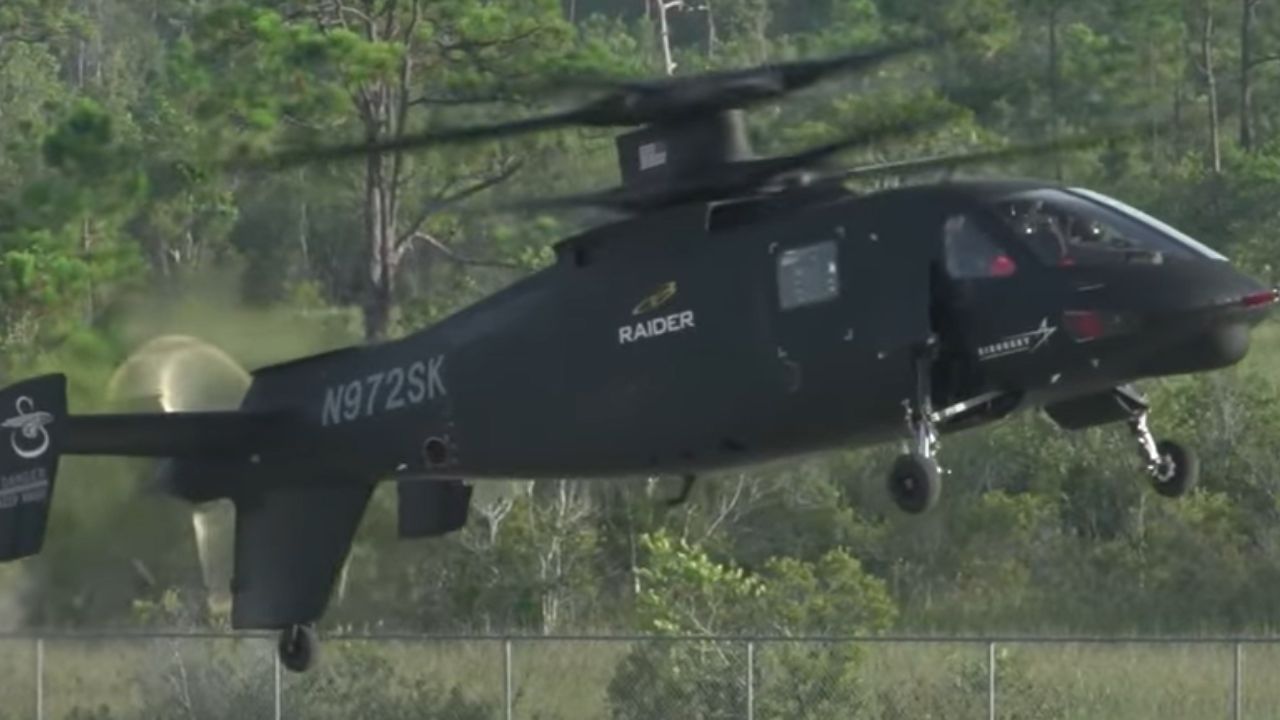

Images Reveal A New Chinese Military Prototype Nearly Identical To The American S-97 Raider, Indicating That China Is Actively Seeking Technologies That The United States Itself Has Abandoned.
Recently, the military aviation world has turned its eyes to China. New photos that emerged on August 21 show a Chinese helicopter in the testing phase with a surprisingly familiar design. The aircraft is practically identical to the Sikorsky S-97 Raider, an American prototype created to break speed records. This episode comes just months after the reveal of the J-35 fighter jet, also Chinese and with a strong resemblance to the US F-35, intensifying the debate over the growing military and technological rivalry between the two powers.
The New Chinese Helicopter And Its Similarity To The S-97 Raider
The new helicopter from China, still without an official designation, leaves no doubt about its inspiration. The Chinese version has the same features as the American design. It shares four-blade coaxial rotors, a pusher propeller at the tail, a tadpole-shaped fuselage, and an identical horizontal stabilizer. Even the landing gear arrangement appears to be a direct copy of the US design, suggesting an effort at replication rather than an original design.
China’s History Of Replicating American Military Technology
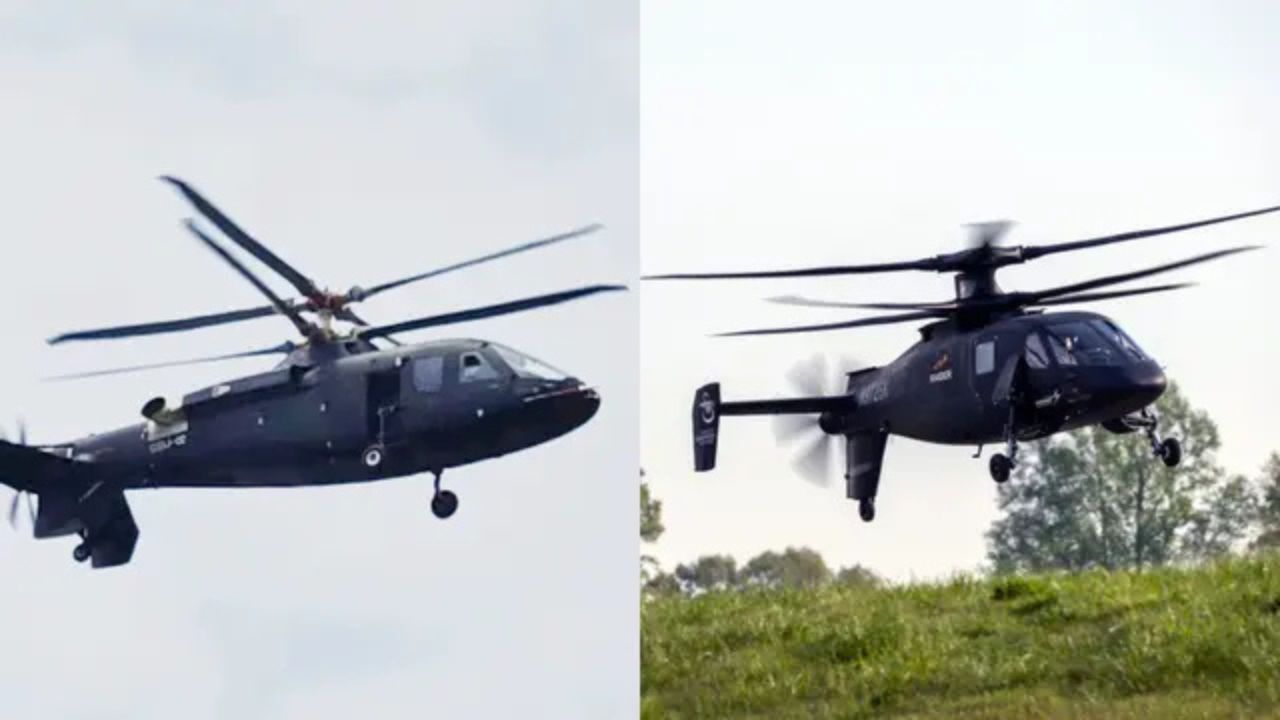
This similarity is not an isolated fact in the Chinese aviation industry. The utility helicopter Harbin Z-20 is widely seen as a clone of the American Black Hawk. Similarly, the FH-97 drone features very similar characteristics to the US XQ-58A Valkyrie. Analysts and Western authorities have accused Chinese defense companies for years of using espionage and cyberattacks to copy American aerospace technology.
-
European Union Announces €260 Million Investment to Extend EllaLink Submarine Cable to Northern Brazil, Reducing Digital Dependence on U.S. Routes

-
U.S. Women’s History Museum Stalled in Congress Amid Gender Identity and Diversity Debate
-
European Parliament Approves Digital Euro, Aiming to Challenge Visa and Mastercard’s Dominance and Transform Payments Across Europe by 2029
-
Israel finds Hezbollah militarized tunnel over 200 meters long under village, with 4 missile launch shafts, 12 chambers, anti-tank missiles, drones, and weapons depots at a depth of 25 meters.





Why Is The Coaxial Design So Important?
The new Chinese helicopter signals a clear goal: to master advanced technologies to support the People’s Liberation Army (PLA). The American S-97 Raider, which served as the model, was designed for speed, range, and survivability. In tests, it exceeded 200 knots (230 mph), a speed far superior to that of conventional helicopters. Its coaxial rotors eliminate the need for a tail rotor, and the rear pusher propeller ensures rapid acceleration and high-speed cruise flight. The aircraft is also extremely agile, able to decelerate rapidly and even “pirouette” while keeping its weapons aimed at a target.
Where The US Backed Down, China Advances
The American S-97 served as the basis for the Raider X, a project for the US Army’s Future Attack Reconnaissance Aircraft (FARA) program. The goal was to replace aging reconnaissance helicopters. However, the FARA program was canceled in early 2024. This decision left Sikorsky’s coaxial design without a clear path. The adoption of a similar configuration by China suggests that Beijing sees strategic value where the US military has hesitated, seeking high-speed aircraft for attack and reconnaissance missions that reduce exposure to enemy defenses. The lessons from the war in Ukraine, where helicopters have proven vulnerable, may be influencing this decision.
The Future Of US Air Superiority
The emergence of this helicopter comes just days after the first tiltrotor aircraft from China was seen in testing. While the US has opted for tiltrotor technology (with the V-280 Valor) for the future, the Chinese are developing both technologies in parallel. This indicates that China may use both concepts for different missions. The appearance of this new prototype reinforces the perception that the US’s technological advantage in aviation is diminishing, largely due to China’s ability to rapidly replicate advanced concepts.