Portuguese
  Spanish


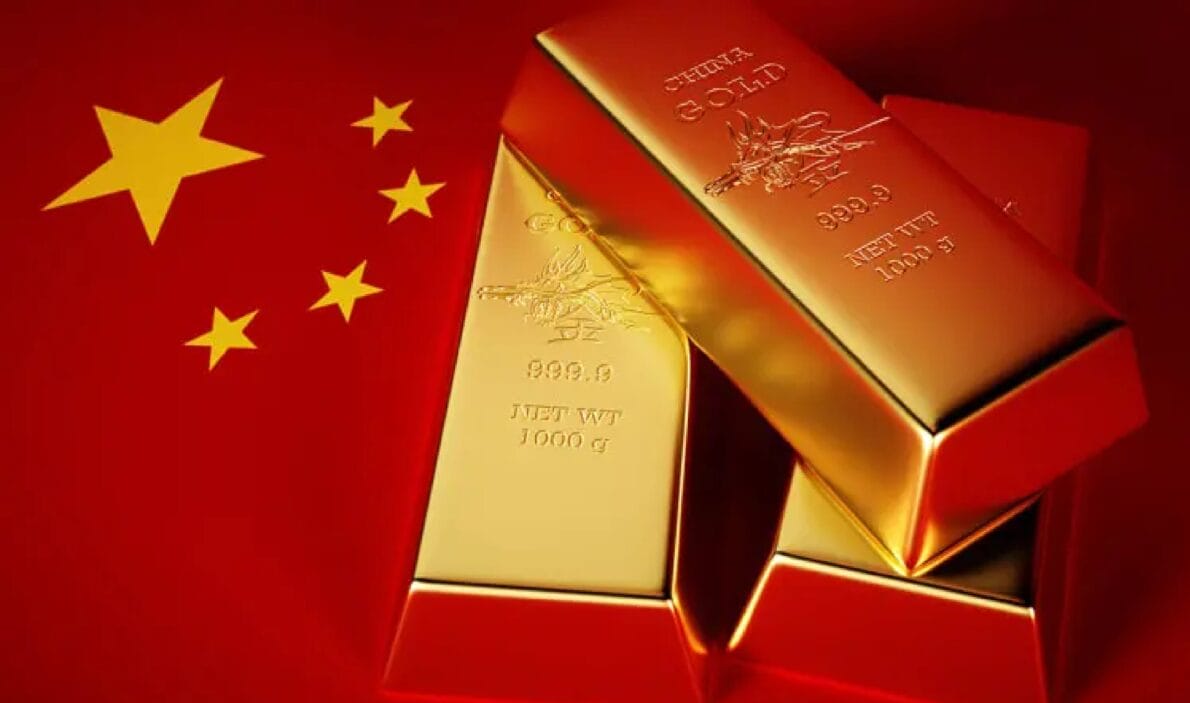

Concerns Over Sanctions and Dollar Devaluation Drive Gold Purchases by the Chinese Central Bank, Spiking Global Prices of the Precious Metal
In 2023, China stood out by purchasing more gold than any other central bank in the world, a strategic move that reflects concerns about potential future sanctions involving the US dollar. This increase in gold reserves has driven precious metal prices to new highs, reaching US$ 2,300 per ounce, or approximately R$ 11,3 thousand, according to Isto É.

Gold as a Safe Haven in Times of Instability
Gold is widely recognized as a safe investment during periods of geopolitical and economic turbulence. With ongoing conflicts in the Middle East and Ukraine, and post-pandemic inflation on the rise, investors have turned to gold as a hedge against currency devaluation. This trend, combined with China’s gold accumulation strategy, has fueled demand and driven up prices of the metal.
Strategic Purchases by the People’s Bank of China
The People’s Bank of China (PBC) has consistently increased its gold reserves for 16 consecutive months, according to data from the World Gold Council. In 2023, the PBC acquired 225 metric tons of gold, representing nearly a quarter of the total purchased by all central banks globally. In the first two months of 2024, China added another 22 tons to its reserves, which now total about 2,257 tons.
-
In Brazil’s backyard: Tesla, by Elon Musk, announces official operations in Uruguay, where electric vehicles already make up 20% of new cars but still leaves out the largest market in the region.

-
This Mars rover may finally reveal if life ever existed on Mars.
-
A nearly 70-year-old Chinese inventor has registered 90 patents and created a device that stores water in the roots, helping seedlings survive drought while trying to transform the arid slopes of the Loess Plateau into green areas without relying on heavy irrigation.

-
Researchers want to change the way of producing rare earth magnets, reducing purification steps and making better use of the elements found in Swedish deposits.



Diversification of Currency Reserves
China has a significant reliance on the US dollar for international trade. The majority of commodities are priced in dollars, and more than half of global trade is conducted using this currency. However, Beijing has sought to diversify its currency reserves to reduce this dependence. Since 2011, China’s dollar holdings have decreased by a third, currently standing at around US$ 800 billion.
This diversification strategy aligns with the goals of BRICS countries (Brazil, Russia, India, China, and South Africa), which seek to reduce their dependence on the dollar and strengthen their own currencies. The group has even considered creating a common currency in the future to challenge the dollar’s dominance.
Concerns Over Sanctions and Economic Security
The growing accumulation of gold by China also reflects concerns over the use of the dollar as a tool for economic sanctions by the United States. The US’s ability to impose severe sanctions, such as those seen against Russia after the invasion of Ukraine in 2022, has led many countries to reconsider the composition of their currency reserves. Chinese leaders fear that, in the event of a military conflict involving Taiwan or an escalation of the trade war with the US, the country might face similar sanctions.
Future Outlook for Gold and the Global Economy
Analysts from the World Gold Council expect the trend of gold purchases by central banks to continue in the coming years, indicating an ongoing quest for diversification. Currently, China’s gold reserves represent only about 4% of the total PBC, a lower percentage compared to central banks of developed economies.
While some experts believe that gold prices may be inflated due to speculation, the continued demand from countries like China will likely keep the precious metal high. Unlike paper currency, gold has intrinsic value, being a rare and difficult-to-extract commodity with multiple economic uses, including electronics, dentistry, medical tools, and defense and aerospace sectors.