






 Portuguese
  Spanish
 4 min of reading
  0 comments


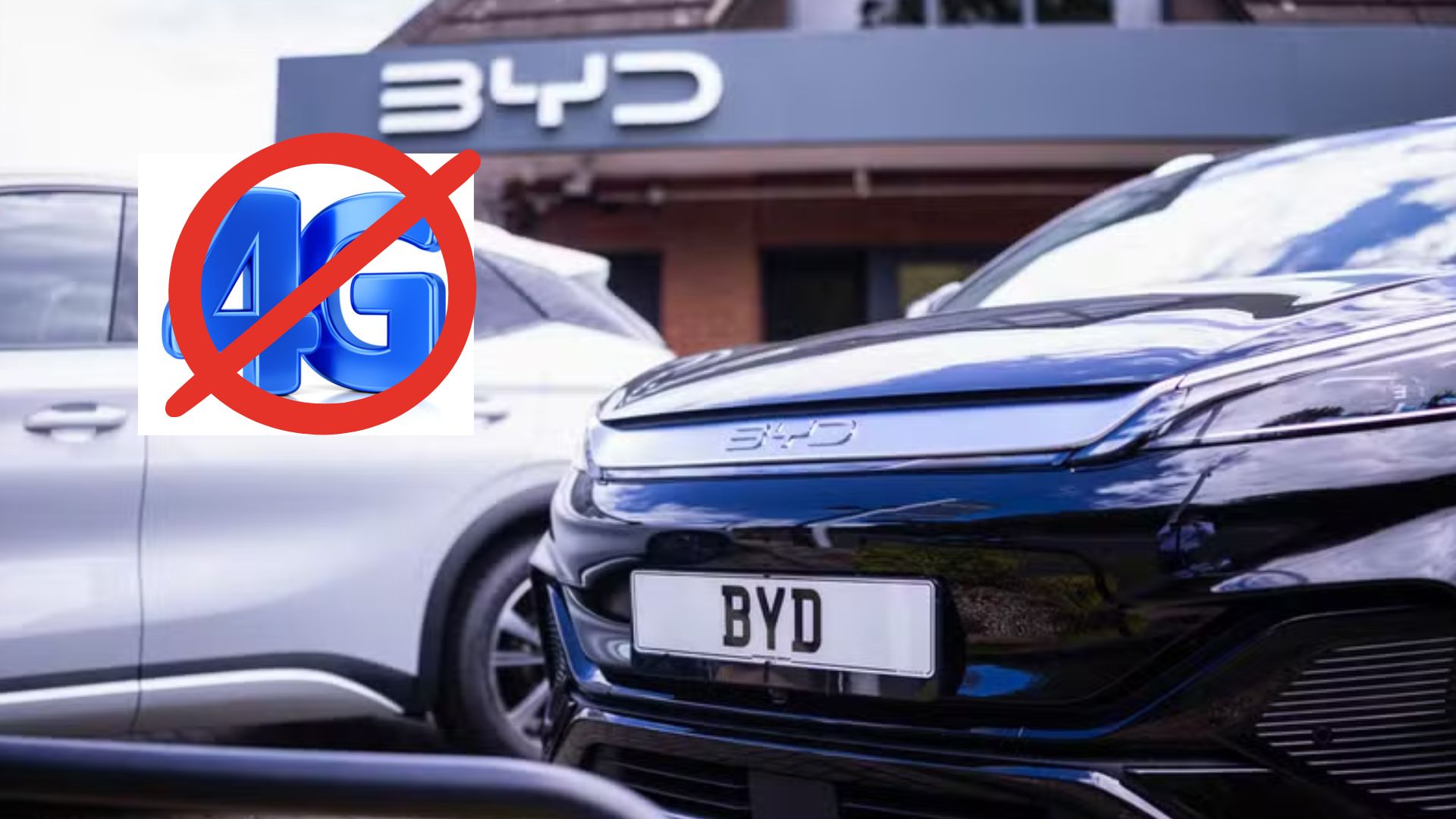
Unprecedented Ruling of the Justice of Rio de Janeiro Moves the Automotive Sector by Requiring a Large Automaker to Suspend 4G Connectivity in Electric Vehicles Due to Patent Dispute, Creating Uncertainties for Consumers and Manufacturers.
The ruling of the Justice of Rio de Janeiro determining that the Chinese manufacturer BYD immediately stop using 4G technology in its electric vehicles sold in Brazil has brought to light a dispute that has shaken the national automotive sector.
According to Veja magazine, the case, which involves patent and licensing issues related to connectivity technologies, has the potential to impact not only the automaker’s operations in the country but also the innovation and competitiveness environment in the Brazilian market.
Justice Orders BYD to Suspend 4G Technology
At the center of the controversy is a preliminary decision from the 1st Business Court of Rio de Janeiro, issued in June 2025, responding to an urgent request made by Godo Kaisha IP Bridge, the company holding the patent used in the 4G connection modules found in BYD vehicles.
-
FIRJAN’s mega plan of R$ 526.3 billion for Rio de Janeiro aims to revive Brazil’s largest industry, with two-thirds of the investments going to oil and gas.

-
China signals an increase in beef imports, Brazil has already consumed 70% of the 1.106 million ton quota and seeks to renegotiate the tariff that jumps from 12% to 55%, while demand from the US also skyrockets.
-
Food inflation rose 302% in 20 years in Brazil, but the supermarket changed: purchasing power yielded 87% more mortadella and 31% less fruit, and ultra-processed foods took over the cart.
-
Petrobras sells the first batch of 3,800 m³ of aviation fuel made with certified soy, capable of reducing emissions by up to 70%, in an unprecedented project that anticipates the aviation sector’s requirements expected for 2027.



According to the action, BYD allegedly installed the connectivity system without having the necessary license to commercially exploit the technology.
As a result, the Justice determined that the Chinese manufacturer must suspend the use of 4G within five days after being officially notified, under penalty of a daily fine of R$ 20 thousand, initially limited to R$ 600 thousand.
The judicial process also requires BYD to report, within ten days, all measures taken to comply with the order, in addition to detailing how many units have been sold in Brazil with the patented technology and the revenues obtained from those sales.
The aim is to allow for the assessment of any material damages resulting from the alleged patent infringement.
Patent Dispute and Licensing in the Automotive Sector
IP Bridge, represented by the law firms Salomão Advogados and Licks Attorney, argued that over 85% of automakers using the same type of 4G/LTE module in their vehicles manufactured or sold in Brazil hold license agreements, unlike BYD.
The company stated to the Justice that the connectivity technology is used as one of the main commercial attractions of electric cars, which would have aggravated the alleged damages.
In her decision, the judge pointed out that the urgent protection was granted due to the existence of elements indicating both the probability of the right and the risk of irreparable or difficult-to-repair damage.
This mechanism, known as a preliminary injunction, is frequently utilized by the Justice to protect rights considered sensitive while the main action is still being processed in the courts.
Response from BYD and Impacts for the Automaker
Despite the repercussions, BYD stated in an official note released in June 2025 that it had not yet been formally notified about the ruling of the Justice of Rio de Janeiro and, therefore, could not comment in detail on the matter.
The company informed that it is monitoring the developments of the process and, when cited, will take the necessary measures within Brazilian legislation.
What Changes with 4G Connectivity in Vehicles
The discussion about vehicle connectivity patents is not new in the global market.
Embedded technologies, such as 4G modules and Internet of Things (IoT) systems, have become important differentiators in the automotive industry, especially with the advancement of electric and connected vehicles.
Access to the internet, for example, allows users to trigger remote functions, receive software updates, monitor vehicle performance, and even locate the car via GPS, becoming a determining purchase factor for many Brazilian consumers.
However, the exploitation of patented technologies without proper licensing can lead to legal disputes and significant financial losses for automakers.
In the case at hand, the requirement for royalty payments or the suspension of technological resources could affect both the competitiveness of BYD vehicles and the consumer experience.
According to business law experts, actions of this nature are usually resolved, most of the time, through out-of-court agreements between the parties involved, aiming to preserve the functioning of the market and avoid lengthy legal battles.




-

2 people reacted to this.