






 Portuguese
  Spanish
  3 min of reading
  0 comments


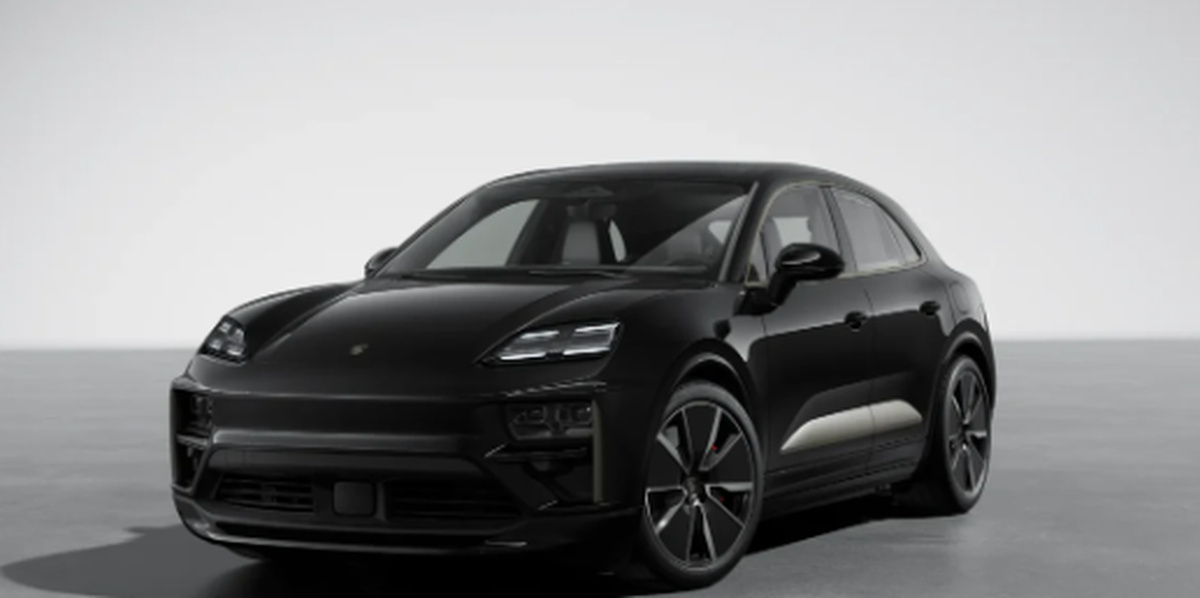
German Brand Restructures Global Portfolio and Prepares Plug-In Hybrid SUV to Expand Options Beyond the Electric Macan
A significant strategic shift in Porsche‘s portfolio was recently confirmed, restructuring the brand’s plans through the end of the decade.
After realizing, in 2024, that the discontinuation of the combustion Macan was a mistake in certain markets, the manufacturer decided to reposition its strategy.
Now, in addition to the Macan EV, the company is preparing a new electrified combustion SUV, which will arrive by 2030 with a distinct proposal and new name.
-
Uber Faces Shareholder Scrutiny as Board Accused of Ignoring Safety, Compliance, and Harassment Warnings Amid Over 3,500 U.S. Lawsuits

-
Ferrari’s First Electric Car Divides Fans, Priced at $630,000, Amid Concerns Over Limited Editions; Brand Clarifies It’s Not Just for Future Perks
-
BYD Dolphin Mini: The Electric Car That Defies Depreciation, Losing Only 3.58% in a Year and Becoming the Best-Selling Retail Model Under $22,000

-
Electric Car JAC E-JS4 Loses $19,000 in Value in One Year, Leading Record Depreciation of Used Cars in Brazil Due to Expensive Battery and New Models


This decision demonstrates that the brand seeks to balance electrification and global demand, preserving competitiveness without limiting consumer choices.
Strategic Review Reveals Direct Impact on Global Portfolio
For years, the Macan was among the best-selling models of Porsche worldwide.
However, with the introduction of the 100% electric version, some markets reacted differently than expected.
In light of this scenario, brand executives confirmed throughout 2024 that electric exclusivity did not fully meet all regions.
Therefore, a new SUV smaller than the Cayenne has begun to integrate the manufacturer’s industrial plans.
However, despite its size being similar to the old Macan, the model will adopt a different name to avoid commercial confusion with the Macan EV, which will remain in production.
Shared Platform and Electrified Powertrain Expand Flexibility
Technically, the new SUV will use the PPC (Premium Platform Combustion) platform developed within the Volkswagen group.
This base is also shared with Audi, reinforcing industrial synergies and optimizing structural costs.
Additionally, the architecture will support electrified combustion engines.
Primarily, plug-in hybrid (PHEV) versions are expected, combining energy efficiency and extended range.
Thus, Porsche adopts an intermediate strategy, maintaining electrified thermal engines while expanding its electric offerings.
Strategic Coexistence Between Hybrids and Electric Vehicles at Dealerships
Meanwhile, the Macan EV will remain in stores, consolidating the brand’s presence in the fully electric segment.
On the other hand, the new SUV will have a traditional body style, distinguishing itself from the more coupe-like style adopted by the electric Macan.
In this way, the manufacturer creates two complementary proposals within the same segment.
As a result, consumers will have the freedom to choose between pure electric and plug-in hybrid options.
This reorganization responds to criticism aimed at brands that eliminated combustion engines before the electric market reached full maturity.
Movement Follows European and Chinese Trends
In addition to Porsche, other European automakers are reviewing their electrification strategies.
In recent years, the phasing out of traditional models coincided with declines in global sales.
As a result, manufacturers have started to strengthen the supply of hybrids and PHEVs, seeking a more gradual transition.
Indeed, Chinese companies like BYD have adopted a similar approach.
Initially focused on pure electrics, the brand has begun developing plug-in models for external markets, including Brazil.
Embedded Technology and New Electronic Architecture
Technically, the new SUV will incorporate advanced electronic architecture, already present in the Macan EV.
Moreover, the system will offer efficient energy management and adequate charging capabilities for electrified versions.
According to Porsche executives, the coexistence between electric and hybrid vehicles will continue until the end of the decade.
Therefore, by 2030, the company will maintain a dual strategy in the premium mid-size SUV segment.
This reorganization demonstrates that total electrification will be gradual, following the real pace of each market.
Do you believe that the coexistence between hybrids and electric vehicles will be the definitive path for the automotive industry’s transition?





-

1 person reacted to this.