






 Portuguese
  Spanish


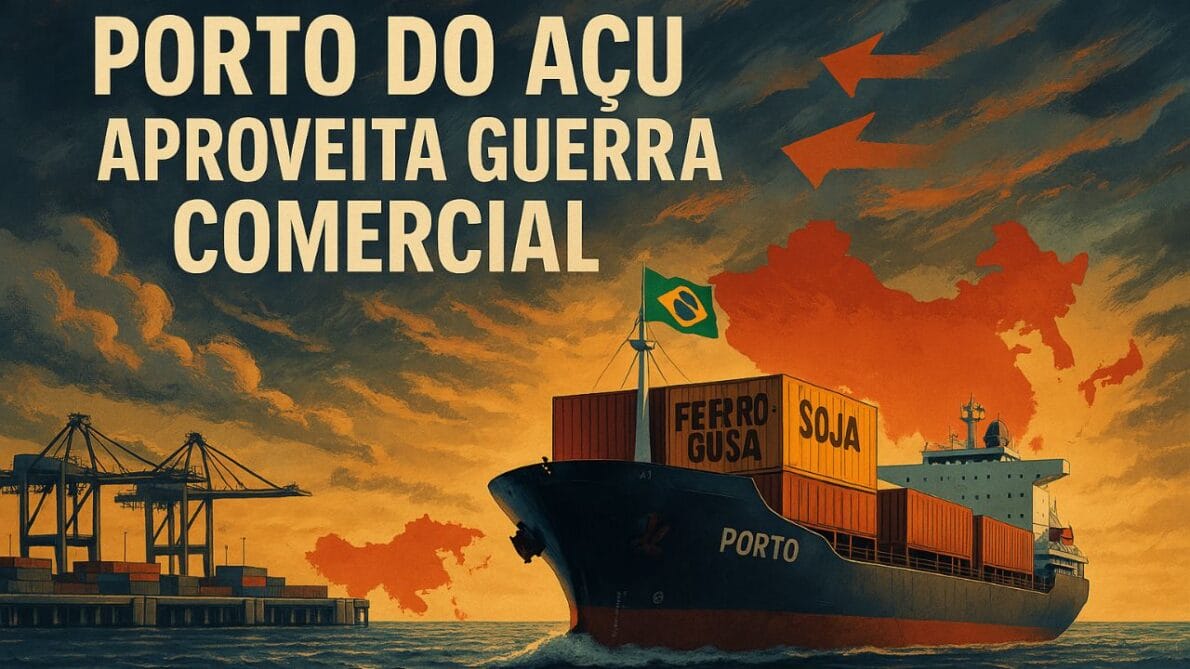

Tensions Between China and USA Drive Exports of Cast Iron and Soy at the Fluminense Terminal, Which Projects to Double Capacity
Trade tensions between China and the United States are generating positive side effects in Brazil. The Port of Açu, located in the northern part of the state of Rio de Janeiro, saw exports to Asia soar in 2025, especially in the shipment of cast iron and soy, gaining prominence as a strategic route for the flow of Brazilian commodities. This information was released by InfoMoney, based on data from the port operator.
Increase in Demand at Port of Açu Caused by Trade War
According to João Braz, logistics director of the Port of Açu, the terminal is directly benefiting from the change in trade routes caused by the tariff escalation between Washington and Beijing, which began during the Trump administration and intensified in recent years. “Tariff threats have increased demand,” said Braz to InfoMoney, highlighting Açu’s new role in international logistics.
In the first quarter of 2025, the volume of cast iron exported by the Port of Açu exceeded 50% of everything that was shipped throughout 2024.
-
Brazil’s 2026 Tax Refund: Record 9.58 Million Filers in Largest Payout Ever, But a Key Detail on Priority Recipients Draws Nationwide Attention

-
Itaú Alters Hybrid Work Model, Increasing Office Days from 2028, Prompting Employees to Adjust to New Routine
-
Facing Labor Shortage, Japan Plans to Invest $34 Million to Attract Foreign Workers in Construction, Healthcare, Industry, and Commerce

-
Brazilian City Makes Remarkable Leap, Becomes 4th Wealthiest in the Country with GDP of R$ 134.1 Billion




Soy on the Rise and Record Harvest
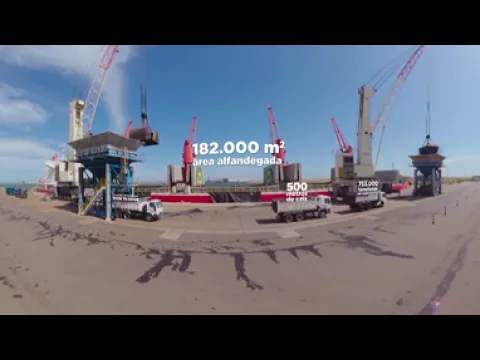

In addition to iron ore, Brazilian soy is also on the rise at the terminal. Agroconsult estimates a record harvest of 171.3 million tons this year, driven by favorable weather and expanded planted areas. A large part of this volume is destined for Asia, where demand for grains grows each year, and Açu is becoming one of the main departure points for this production.
Port of Açu Prepares to Grow Even More
To meet the growing demand, the terminal management plans to double the annual capacity of the T-Mult terminal to 5 million tons, increasing the shipping potential. According to InfoMoney, dredging works are underway in front of the T-Mult channel, which will allow two Panamax ships to be loaded simultaneously.
This strategy reinforces the Port of Açu’s goal to establish itself as a logistics hub for Asia and attract new business driven by the global reconfiguration of trade chains.
A Strategic Port for Brazil
In addition to ore and grains, the Port of Açu has been expanding its operations in other areas such as oil, gas, and renewable energy, contributing to the economic growth of the North Fluminense region. According to Bloomberg Línea, the trade war is causing a reconfiguration of global export flows, and Brazil, especially through Açu, is seizing this window of opportunity to expand its influence in foreign trade.








