Portuguese
  Spanish


Operation conducted between May 25 and 28 by Mapa, Senacon, and Procons inspected 84 locations in six states and the Federal District, seized roasted coffee, ground coffee, and raw materials with signs of irregularities and closed 19 establishments
An integrated operation between Mapa, Senacon, and Procons conducted 84 inspections between May 25 and 28, closed 19 establishments, and seized roasted coffee, ground coffee, and raw materials with signs of irregularities in six states and the Federal District.
More than 82,000 kilos of irregular products related to roasted coffee production were seized in an integrated operation conducted between May 25 and 28, with inspections in six states and the Federal District.
Canal JH Engenharia highlights that the action brought together the Ministry of Agriculture and Livestock, Senacon from the Ministry of Justice and Public Security, and state and municipal Procons. In total, 84 inspections were conducted, with 19 establishments closed, equivalent to 32.8% of the inspected locations.
-
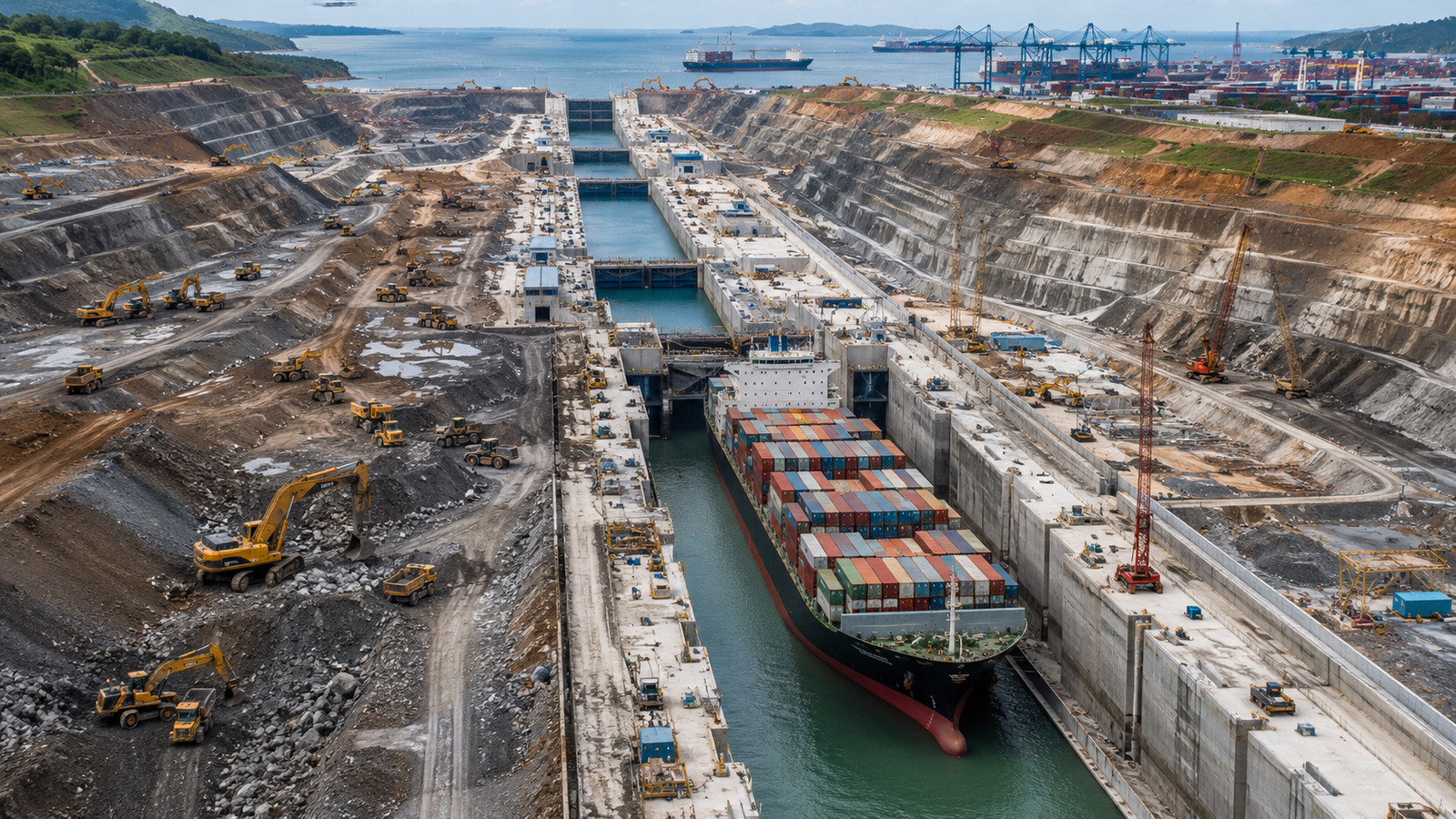
China wants to impress the world once again with a mega canal featuring giant locks, deep waters, and space for the largest ships, in a project aimed at shortening journeys, reducing queues, and rivaling the Panama Canal in global trade.

-
Brazil saved US$ 32.4 billion in 2025 by switching from fossil to renewable energy and only ranked behind China and the United States on the IRENA global podium.

-
A company from SC that moves R$ 125 billion in agribusiness is integrated into an international group, maintains its headquarters and jobs in Chapecó, and is preparing to expand software for cooperatives, grain companies, and industries while targeting new markets without leaving the western region of Santa Catarina.
-
Portugal “hides” gold reserves of 382 tons valued at 47 billion euros in an armored building, and the story involves gold from colonial Brazil, Nazi Germany, and a fortune that once amounted to 866 tons.




Irregular products were found in industries and supermarkets
The teams operated in Minas Gerais, Rio de Janeiro, São Paulo, Goiás, Paraná, Espírito Santo, and the Federal District. The inspection reached coffee industry sectors and also supermarkets, where Procons sought to remove items with signs of adulteration from circulation.
Of the seized volume, 5,944 kilos were roasted and ground coffee. Another 76,070 kilos corresponded to raw materials used in coffee production. The operation integrated inspection actions of plant-origin products conducted by Mapa and routine inspections.
Inspection targets harm to consumers and the sector
The removal of irregular products from the market seeks to protect consumers from items with signs of adulteration. The action also targets damage to the competitiveness and credibility of the productive sector, as non-compliant goods can affect companies that adhere to legal standards.
The involved agencies emphasize that the seized material does not represent the coffee produced in Brazil, which is recognized nationally and internationally for its quality. The distinction is important to separate regular production from the suspicious batches found during the operation.
Monitoring and reports aided the operation
The action resulted from market monitoring and had technical support and information from the Brazilian Coffee Industry Association. Reports registered on the Fala.BR platform also helped guide the inspection.
With information from MAPA.