Portuguese
  Spanish

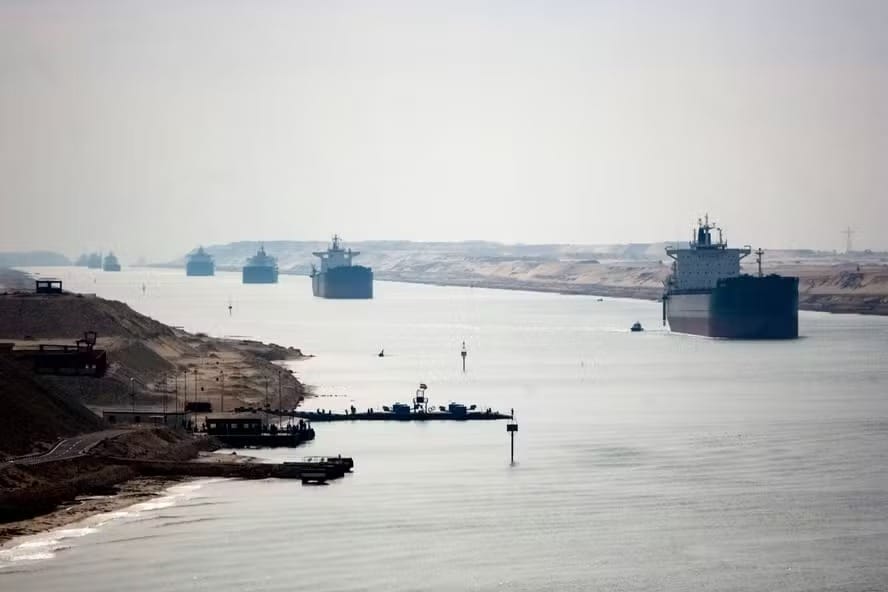

Increased Risk of Attacks on Ships Raises International Logistics Costs: Potential Impacts on International Trade Operations
The attacks by Houthi militants from Yemen, aligned with Iran, on ships in the Red Sea are disrupting maritime trade and leading the United States to seek the formation of a coalition to address the threat, while freight companies divert their routes around the Cape of Good Hope to avoid the Suez Canal.
The Houthi group claimed to have launched a drone attack against two cargo ships two weeks ago, the latest in a series of missile and drone attacks on vessels, which they claim is a response to the previous attack on the Gaza Strip.
-
Half of Brazilians Prefer Lower Taxes with Private Health and Education, While 44% Opt for Higher Taxes for State-Provided Services, Datafolha Survey Reveals

-
Brazil’s Most Expensive Toll Rises to R$ 40.60 on Route from São Paulo to the Coast, Nearly Matching Bus Fare to Santos

-
Ayatollah Ali Khamenei’s Funeral Draws 15 to 20 Million in Tehran, Calls for Revenge Against Trump After Joint Israel-U.S. Attack

-
As Brazil Expands Social Welfare, Survey Reveals 40% Blame Poverty on Laziness, While 58% Cite Lack of Opportunities




Global Economic Developments: How Threats to Trade Routes May Affect International Trade
The growing series of attacks on cargo ships around the world is creating an atmosphere of concern and uncertainty among shipowners. The updated outlook this morning highlights a significant increase in freight costs starting from 01/01/24, especially on routes from Asia. This scenario represents an additional challenge for import operations, amplifying the logistical and financial difficulties already faced by the sector.
Furthermore, it is crucial to emphasize that this increase in freight costs directly impacts the final prices of imported products. The rising cost of maritime transport is reflected in the prices of goods purchased abroad, which can have significant repercussions on the competitiveness and profit margins of importing companies. In light of this situation, it becomes imperative for the sector to evaluate risk mitigation strategies and explore logistical alternatives to minimize the financial impacts arising from these adversities in global trade routes.
Under the Waves of Conflict: Suez Canal and the Challenges of the War Between Israel and Hamas
The Suez Canal, one of the most vital waterways in the world, has been indirectly impacted by the conflict between Israel and Hamas. The instability in the region, marked by attacks and tensions, increases the risk for maritime operations in the canal. Shipping companies are facing significant challenges, needing to divert routes around the Suez Canal, resulting in additional costs and delays. The war in the region not only heightens concerns about the security of trade routes but also highlights the complex interconnection between geopolitical events and global trade.
Building Bridges for a Safer Tomorrow in International Trade: A Journey of Resilience and Innovation

Julio Paz Santa Catarina, Brazil Entrepreneur Importer and Inventor 15+ years of experience in international trade