





 Portuguese
  English
  Spanish
  4 min of reading
  0 comments


The Same Wireless Charging Technology That Revolutionized Smartphones Is About to Come to Your Kitchen. Meet the Ki Standard, Which Promises to Eliminate Wires and Batteries from Your Appliances and Transform Your Routine!
Technological evolution is transforming the way we interact with our appliances, and the Wireless Power Consortium (WPC) has taken an important step by announcing the launch of the wireless power transfer standard.
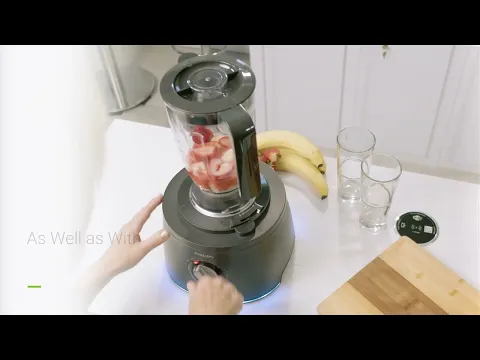
This new standard promises to revolutionize how we use smaller appliances, such as toasters and blenders, eliminating the need for power cords. Although it is not yet available to consumers, the Ki is in the certification phase so that manufacturers can launch the first products soon.
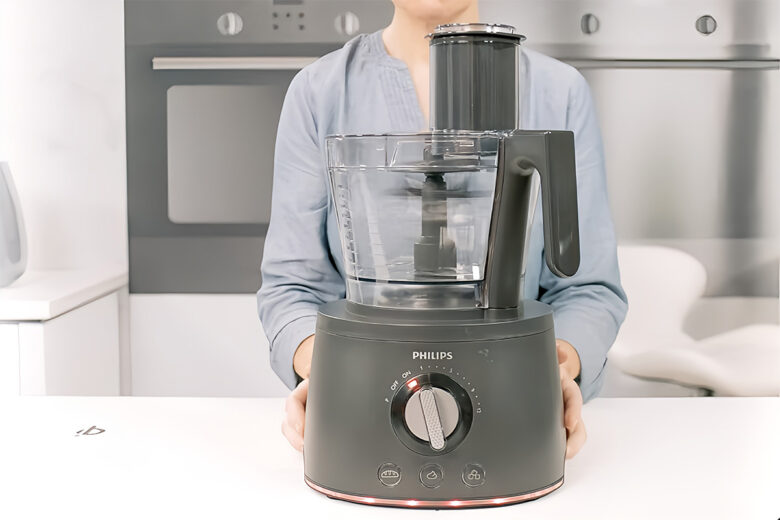
The Transformation of Appliances with Wireless Charging
Most of us are already familiar with the convenience of Qi and Qi2 wireless chargers, which allow us to charge smartphones and other mobile devices simply by placing them on a base, without the need to plug in cables.
-
A 2.4-meter drone created in Denmark could change sea rescues by locating castaways with more than 80% success, landing on ships in seconds, and delivering life vests before cold and exhaustion reduce survival chances.

-
Starlink stops selling antennas to consumers in the United States, Canada, and Mexico, and starts charging a monthly rental fee for the equipment in a new strategy for satellite internet.
-
With solar panels on one in three houses, Australia accelerates the home battery race, connecting more than 1,000 units per day and showing how families can store rooftop energy to avoid expensive electricity peaks at night.
-
SpaceX created an artificial flood to protect the largest rocket ever developed by the company.



These chargers use a principle called electromagnetic induction, which creates a magnetic field to generate electrical current. The Qi is limited to charging mobile devices, while the Ki goes beyond, providing power directly to run the motors and electronic components of appliances.
A fundamental difference between Qi and the new Ki standard is the amount of power supplied. While Qi and Qi2 wireless chargers can provide up to 15 W of power, the Ki can transmit an impressive 2,200 W. This capability allows it to power higher-consumption appliances, such as fryers and other equipment that require more power.
How the Ki Standard Works
Like the Qi, the Ki standard also depends on electromagnetic induction. However, instead of charging a battery, it transfers energy directly to the devices, allowing them to operate in real-time. To achieve this, the Ki uses larger and more powerful coils, capable of generating the necessary energy to power motors and heat elements of appliances.
The Ki technology also allows energy to be transmitted wirelessly through surfaces such as granite, quartz, marble, and even wood up to 1.5 inches thick. This enables transmitters to be discreetly integrated into kitchens, allowing for a cleaner environment without visible wires.
Safety and Benefits of the Ki Standard
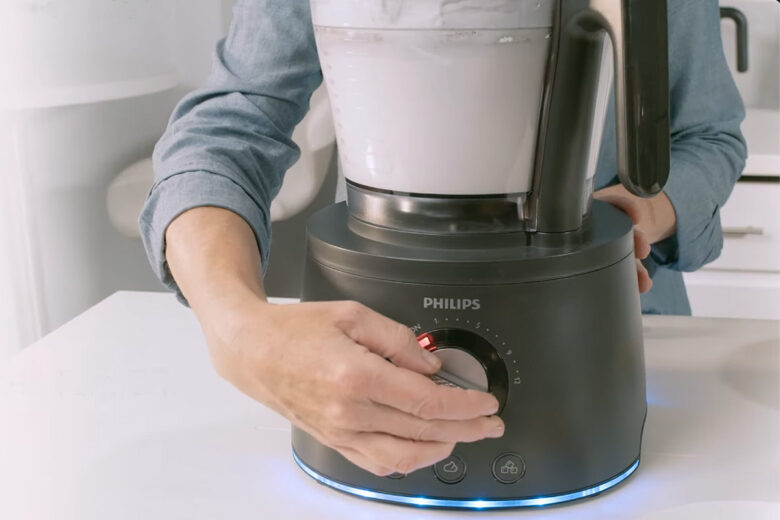
A common concern when discussing wireless appliances is safety. With this in mind, the WPC has incorporated several safeguards into the new Ki standard. For example, compatible devices communicate with transmitters via NFC (Near Field Communication), ensuring that power is only supplied when the device is in use. If an appliance is removed or dropped, the power supply is automatically interrupted.
Another important feature is that appliances with Ki are designed to ensure that their surfaces never get hot enough to cause burns or damage to countertops.
If a Ki-compatible pot is used directly on a countertop, the bottom of the pot will feature thermal insulation to protect the surface from the heat generated.
Removing cords also brings benefits in terms of home safety. With no wires scattered throughout the kitchen, the risks of tripping or causing fires due to worn-out cables over time are drastically reduced. In addition, the absence of cords makes cleaning and organizing the space easier.

The Future of Kitchens with Ki
Renowned companies, such as Philips, Midea, and Miele, are already part of the WPC and are investing in implementing the Ki standard in their products. The first appliances compatible with the new technology are expected to hit the market next year once they obtain the necessary certification.
While the idea of a wireless kitchen is appealing, it will require replacing many current appliances. Additionally, investment in power transmitters and possible renovations in kitchens will be necessary to integrate this new technology.
The WPC estimates that appliances with Ki will have an additional cost of about US$ 8 to US$ 9 due to the extra components required, but total costs may vary depending on the necessary adaptations.
The Ki standard has the potential to completely change how we use and interact with our appliances, offering a hassle-free, wireless solution. However, it is still early to know how many manufacturers will adopt this technology and when it will be widely available on the market.
Until then, the expectation is that consumers will embrace this innovation enthusiastically, especially as more smart appliances and kitchens are developed to make our daily lives easier and safer.




-

1 person reacted to this.