






 Portuguese
  Spanish
  4 min of reading
  4 comments


Brazil May Face Increases In Fuel Prices, Even With Government Attempts To Avoid The Rise. The Deficit Between Internal And International Prices, The Rise Of The Dollar, And The Appreciation Of Oil Are Pressuring The Market. Experts Point To Risks Such As Supply Shortages And Billion-Dollar Losses For Petrobras. Understand The Dilemmas That Affect Your Pocket.
The price of fuels in Brazil, such as gasoline and diesel, is about to face a new increase, even with the government’s efforts to avoid such a scenario.
In a detailed analysis, Fernando Ulrich, a renowned economist, highlighted on his YouTube channel the main factors contributing to this impending price increase.
According to him, the deficit between internal prices and those practiced in the international market has reached alarming levels, creating a situation that challenges both the government and Petrobras.
-
FIRJAN’s mega plan of R$ 526.3 billion for Rio de Janeiro aims to revive Brazil’s largest industry, with two-thirds of the investments going to oil and gas.

-
China signals an increase in beef imports, Brazil has already consumed 70% of the 1.106 million ton quota and seeks to renegotiate the tariff that jumps from 12% to 55%, while demand from the US also skyrockets.
-
Food inflation rose 302% in 20 years in Brazil, but the supermarket changed: purchasing power yielded 87% more mortadella and 31% less fruit, and ultra-processed foods took over the cart.
-
Petrobras sells the first batch of 3,800 m³ of aviation fuel made with certified soy, capable of reducing emissions by up to 70%, in an unprecedented project that anticipates the aviation sector’s requirements expected for 2027.
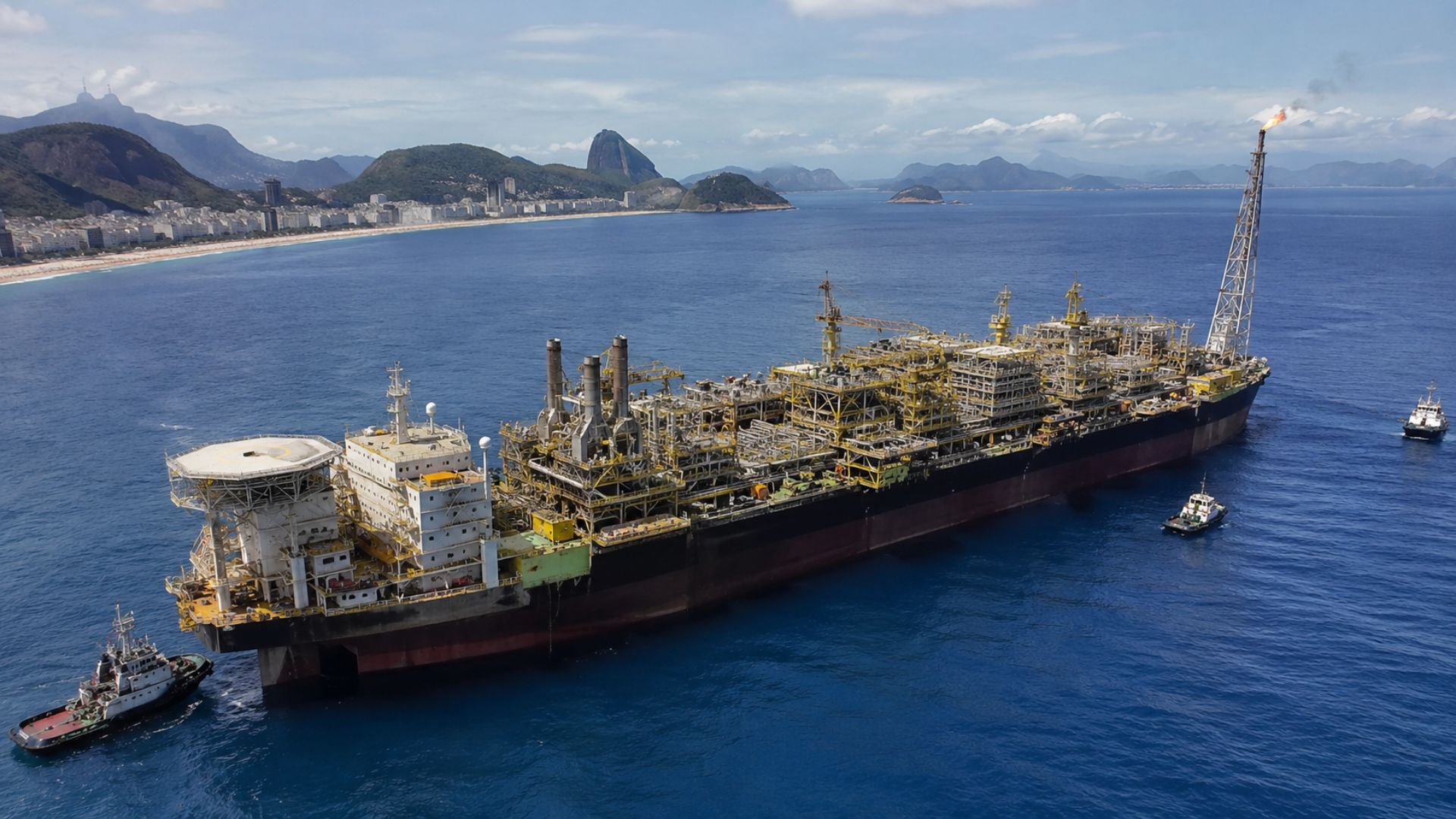


Ulrich clarified that the deficit is the difference between the prices charged in Brazil and the values established in the international market.
This disparity has intensified due to the price-freezing policy adopted by Petrobras. “Diesel, for example, has not had any adjustments for over a year, while gasoline has not been altered for more than six months,” the expert stated.
He emphasized that, although this strategy aims to control inflation, it also brings significant risks, such as supply shortages and billion-dollar losses for the state-owned company.
The International Market And Its Impact On Brazil
In the global scenario, oil prices and their derivatives have been constantly increasing.
According to data presented by Ulrich, the price of crude oil has seen a significant appreciation in recent months, driven by a combination of factors such as geopolitical tensions, increased demand, and supply constraints.
This movement directly reflects on fuel costs in the international market.
To complicate the situation further, the devaluation of the real against the dollar has contributed to amplifying the impact of these increases in Brazil.
Currently, the dollar is quoted above R$ 6, which raises the costs of fuel imports. Ulrich detailed that, in the last three months, diesel and gasoline prices have risen by 12% and 6%, respectively, in dollars.
However, due to exchange rate fluctuations, this increase was even greater in reais, reaching nearly 19% for diesel.
This situation directly affects the fuel import sector. According to the Brazilian Association of Fuel Importers (Abicom), approximately 25% of the diesel consumed in Brazil is imported.
When Petrobras chooses to keep prices below those in the international market, importers face difficulties in competing, which may lead to a reduction in supply and the consequent risk of shortages.
The Government Strategy And Its Limitations
Despite the alarming data, the federal government has resisted the idea of adjusting fuel prices.
The main concern is the impact such a measure would have on inflation, which is already pressuring the population’s cost of living.
“Raising the price of gasoline and diesel would have cascading effects, increasing transportation costs, food prices, and other essential goods,” Ulrich analyzed.
He added that the political impact is also a relevant factor, especially considering that President Lula’s popularity could be further affected by a significant increase in fuel prices.
However, this strategy also presents its fragilities. Ulrich warned that the insistence on avoiding adjustments may lead to severe consequences, such as financial losses for Petrobras and a loss of credibility for the government among markets.
According to him, the state-owned company has already accumulated losses of R$ 9.3 billion due to price disparities.
“This price-freezing policy is not sustainable in the long term and may threaten the financial health of the company,” he stated.


Possible Solutions To The Dilemma
In light of this scenario, Ulrich pointed out some possible solutions.
One of them would be reducing public spending, which would help stabilize the exchange rate and subsequently alleviate the deficit in fuel prices.
He explained that restoring the government’s fiscal credibility could attract more investors and reduce pressure on the dollar.
Another alternative would be to gradually adjust fuel prices instead of implementing a single abrupt increase.
This could mitigate inflationary impacts and make acceptance easier for the population.
However, Ulrich emphasized that this approach requires effective planning and communication from the government, something that has not always been prioritized.
Additionally, he highlighted the importance of investing in expanding refining capacity in Brazil.
Currently, the country significantly depends on fuel imports, making it vulnerable to fluctuations in the international market.
Investments in refining infrastructure could reduce this dependence and strengthen the country’s energy security.
An Uncertain Future
The current scenario is challenging and reflects the political and economic choices of the government.
Ulrich concluded his analysis by stating that Brazil is facing a vicious cycle where the measures taken to contain inflation and protect the population from fuel price increases end up exacerbating fiscal and monetary problems.
“Every action of the government seems to be pushing the country into an even more complicated situation,” he assessed.
Meanwhile, consumers should prepare for a possible increase in fuel prices, especially diesel, in the short term.
According to Ulrich, the deficit has reached an unsustainable point and should force the government to take action soon.
It remains to be seen how the government and Petrobras will balance economic, social, and political interests in this challenging scenario.




Preço dos combustíveis VAI subir…. o sujeito da oração é o “preço”.
Com esse desgoverno vai de mal a pior… inúteis.
Eu gostaria de saber onde está a novidade na majoração dos preços do petróleo na Brasil e neste governo.