






 Portuguese
  Spanish


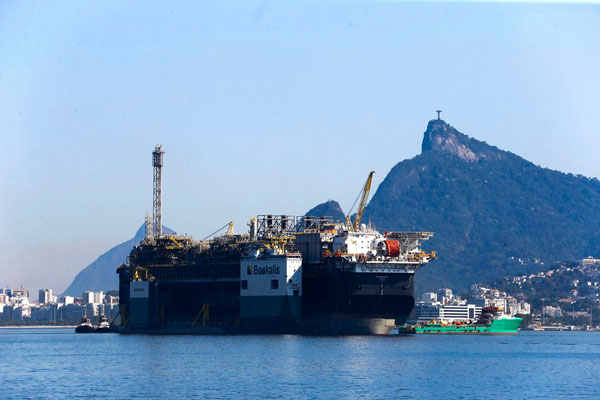

The Float-Off Operation Scheduled to Take Place at the P-70 Platform Is Expected to Finish Today, in Guanabara Bay, Rio de Janeiro
The operation technically referred to as “float-off” is scheduled to occur today at the Port of Rio de Janeiro, at the P-70 platform of Petrobras. A test was conducted on the 28th, with the completion expected today. 225,000 opportunities for elementary and high school levels for the 2020 IBGE exam
See Also:
-
They exchanged the idea of a large house for a 35 m² warehouse, spent US$ 12,000 on the structure, and created a tiny house in Colorado with space to live and work.

-
While modern cities rely on pumps and electricity, in Iran, ancient tunnels carried water through the desert using only slope and gravity.
-
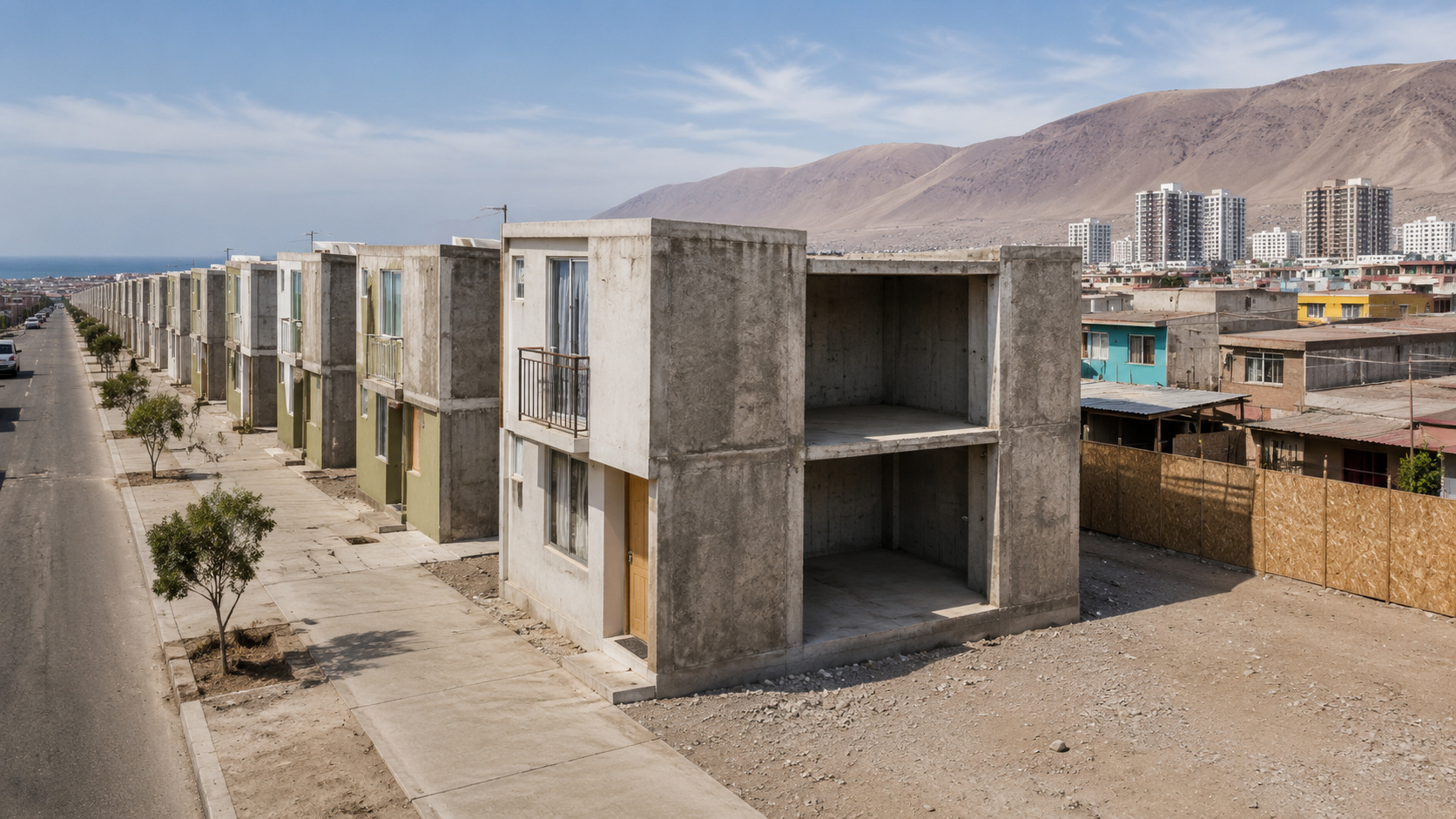
Instead of sending families far from the city, a project in Chile intentionally created incomplete houses on expensive urban land and left technical space for each to grow.
-
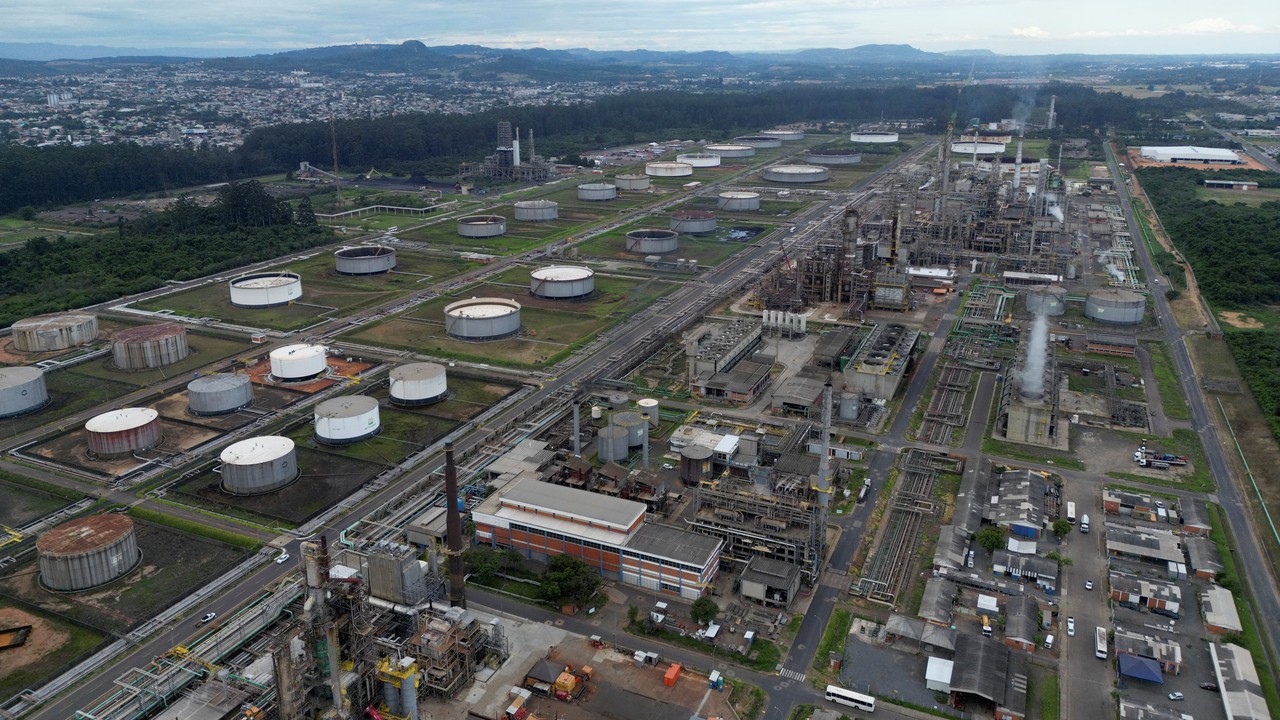
With a record production of nearly 3 million barrels per day, Petrobras resumes importing diesel in July, highlighting the bottleneck in Brazilian refining.


- Petrobras’ FPSO Chartering Project for the Offshore Marlim by MODEC, Mitsui, MOL, and Marubeni Is Confirmed Today
- MODEC Wins Contract with Equinor Brasil and Will Build FPSO for the Bacalhau Field in the Pre-Salt Paulista
- The Norwegian Giant Opens a Selection Process to Address Offshore Projects in Rio and Porto do Açu
The P-70 platform was built in China and left the eastern shipyard of COOEC in Qingdao on December 9, 2019, heading towards Guanabara Bay in the state of Rio de Janeiro. The integration works of the platform modules were done at the COOEC shipyard, while the hull of the vessel was built at the Cosco shipyard.
The platform will operate in the Atapu field in the pre-salt of the Santos Basin, with production expected to be around 150,000 barrels of oil and 6 million cubic meters of natural gas per day.
The vessel that brought the P-70 will submerge for the complete discharge of the platform at sea. After that, the P-70 will proceed to an area in Guanabara Bay known as the anchorage area, where it will stay for around 30 days. During this time, the vessel will carry out commissioning and nationalization activities for the structure before heading to its final destination, the Atapu Field.
As a reminder, the P-70 arrived at the Port of Rio on January 24. During the journey, there was an accident involving platform workers, which resulted in one death and 5 requiring medical attention.
The incident occurred about 51 km off the coast of Durban, South Africa, after workers from Boskalis (the company that transported the P-70) and other subcontracted companies fell ill after consuming ethyl alcohol. They were rescued by a helicopter and airlifted to a hospital in Durban.








