






 Portuguese
  Spanish
  4 min of reading
  57 comments


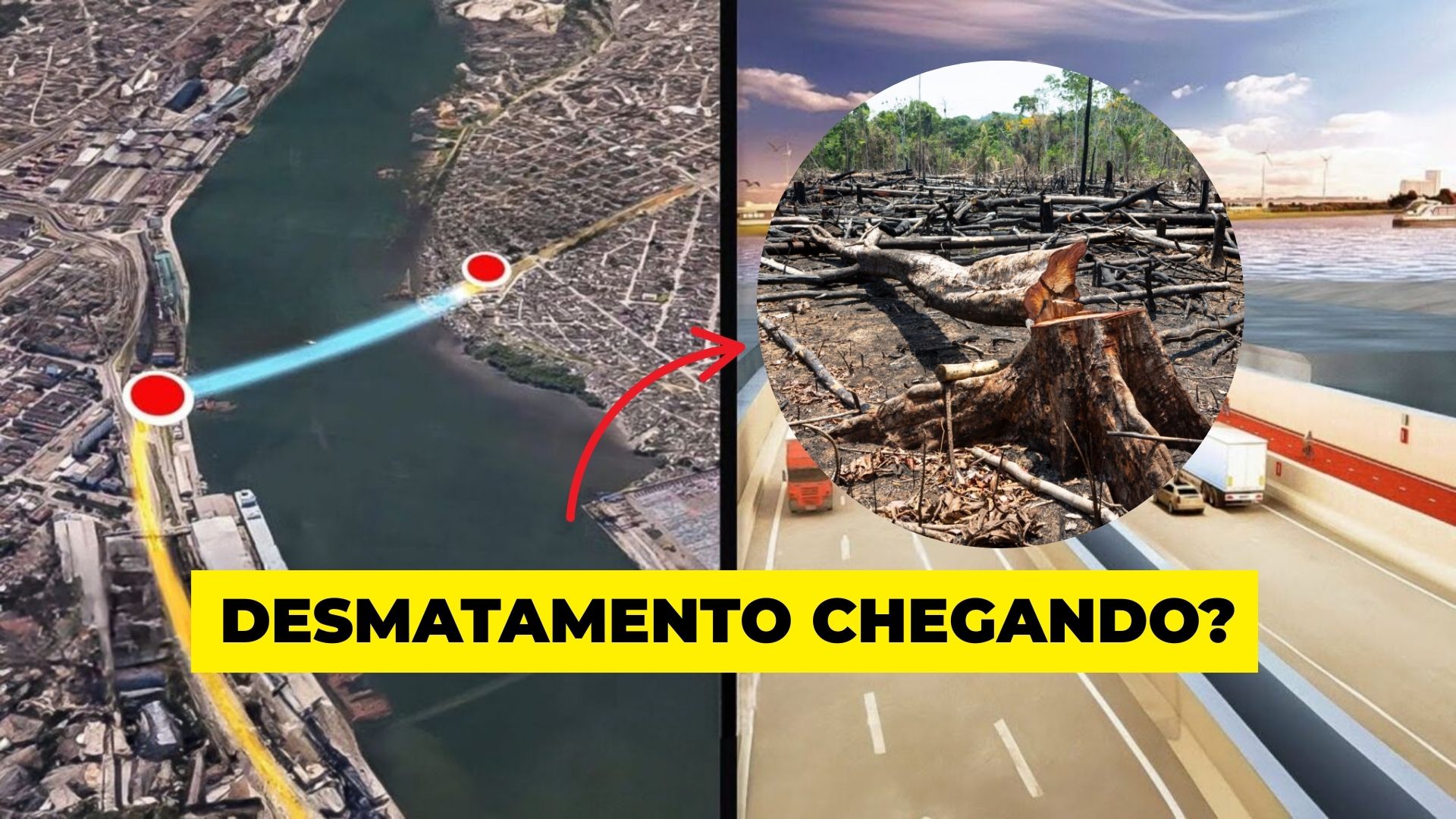


The First Submerged Tunnel in Brazil Advances With Promise of Mobility, but Brings Environmental Impacts, Budget Increases, and Risks to Biodiversity. The Billion-Dollar Project Has Already Received Preliminary Approval and Will Have Auction in September 2025.
The first submerged tunnel in Brazil, which will connect the cities of Santos and Guarujá, advances amid strong expectations of mobility, but also criticism for its environmental impact.
The project plans to clear 105 thousand square meters of Atlantic Forest, including mangroves and restinga areas, as well as posing risks to marine wildlife and the quality of air and water.
With updated investment totaling R$ 6.8 billion and an estimated generation of 9 thousand jobs, the project received environmental preliminary approval from Cetesb in August 2025. The next step is the concession auction, scheduled for September 5 at B3 in São Paulo.
-
Brazilian Joins Homeownership Consortium, Faces Decade of Dual Payments Totaling $141,000, Surpassing Traditional Mortgage

-
Land Rover to Halt Production in July, Putting 371 Jobs at Risk, as Chinese Automaker Negotiates to Convert Factory to 100,000 Vehicles Annually by 2027

-
Mexican Pest Threatens U.S. Cattle Herds at Historic Lows, Potentially Boosting Brazilian Beef Exports as Burger Prices Soar

-
Brazilian Freight Bill Progresses in Congress with $5,000 Minimum Wage, 70% Advance Payment, and Fines Up to $1 Million, as Agriculture and Industry Warn of Rising Costs and Legal Uncertainty


Deforestation of Atlantic Forest and Mangroves
According to the Environmental Impact Report (Rima), prepared by the Economic Research Foundation (FIPE), and revealed by the portal Diário do Litoral, the construction will require the removal of native vegetation equivalent to ten football fields.
Out of that total, 44 thousand square meters are mangroves, essential for biodiversity and for protecting the coastline.
Within the Environmental Protection Area (APA) of Serra de Santo Amaro, the forecast is for the deforestation of 3,640 square meters of mangrove, a situation that raises alarms among environmentalists.
These environments serve as natural nurseries for various marine species and help reduce the impact of flooding and erosion.
Studies also point to risks for the feeding of juvenile green turtles, which depend on the supply of algae present in the region.
The alteration of the food chain may compromise the sustainability of different marine species.
Impact of the Tunnel on Marine Life and Tourism
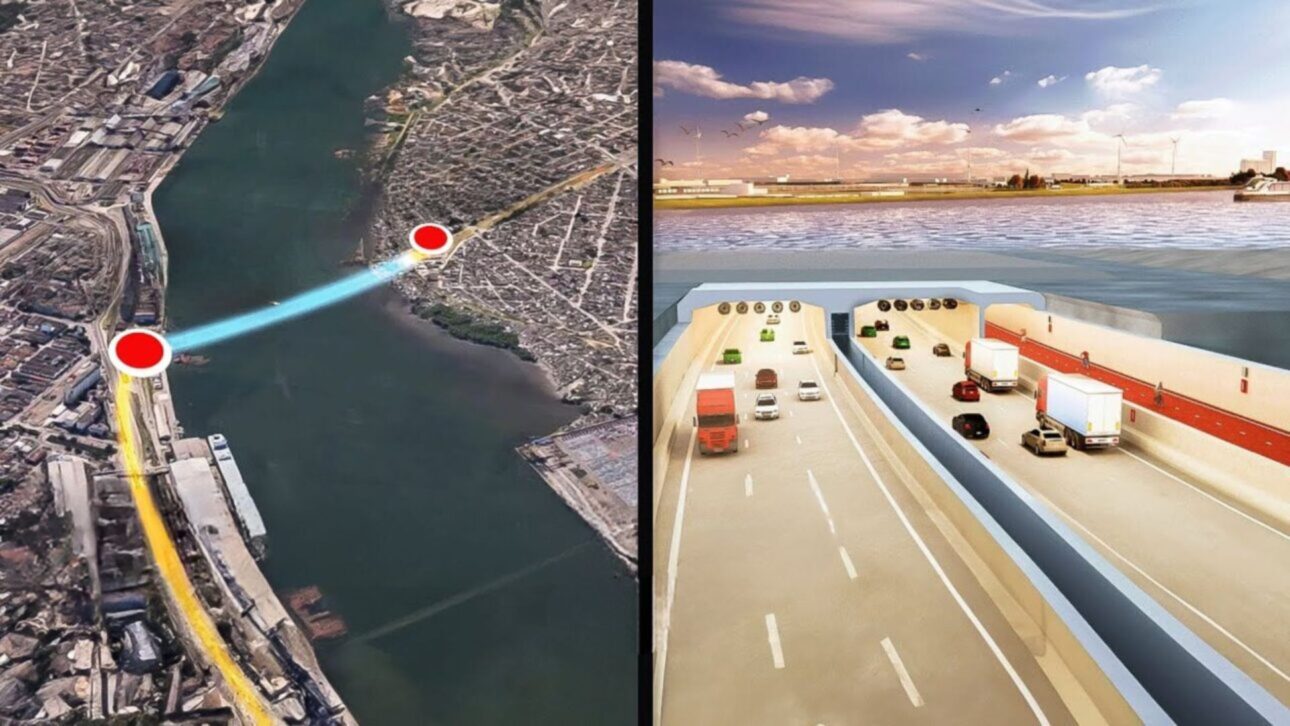
In addition to vegetation suppression, the dredging process for installing the tunnel modules may worsen the water turbidity in the estuary.
This happens because contaminated sediments with heavy metals — dumped by industries over decades — tend to spread, threatening the health of aquatic animals.
Reduced visibility also increases the chances of collisions between dolphins, porpoises, and even whales with vessels.
Experts warn that this scenario may directly affect the region’s ecotourism, one of the attractions for residents and visitors to the São Paulo coast.
Pollution, Dust, and Noise From Construction
The report also predicts an increase in the emissions of atmospheric pollutants, such as nitrogen dioxide (NO2) and sulfur dioxide (SO2), released during the asphalting and paving of access roads.
During construction, nearby residents will have to face the impact of noise, vibrations, and dust suspended by excavations and transportation of materials.
FIPE warns that vibrations may cause settling in neighboring properties, raising concerns about potential structural damages.
Contamination of the Aquifer
Another point of concern is the possibility of contamination of the aquifer.
The sediments removed during dredging contain heavy materials that may infiltrate the soil and compromise the quality of groundwater.
Cetesb, responsible for licensing, will need to closely monitor the construction to mitigate long-term risks to water supply and public health.
Effects on the Port of Santos


The Port of Santos, the largest in Latin America, will also be affected.
During the installation of submerged modules and the backfilling process, part of the maritime traffic in the estuary will have to be interrupted.
This may necessitate the redistribution of cargo to other ports in the Southeast and South, increasing logistics costs and impacting the routine of one of the main entry and exit points for goods in the country.
Next Steps of the Santos-Guarujá Project
With the issuance of the preliminary license, the project moves on to the concession auction next Friday (05).
According to reports, the state government expects the Public-Private Partnership to enable the start of construction as early as 2026.
In a statement, the Secretary of Partnerships in Investments noted that the environmental analysis “considered contributions received in public hearings and recent updates to the project.”
The agency also highlighted that the estimate of generating 9 thousand direct and indirect jobs has been maintained.
The controversy, however, continues: to what extent does the promise of mobility compensate for the anticipated environmental and social damages? What alternatives could meet the region’s needs without putting such sensitive ecosystems at risk?





Imagino o editor ambientalóide escrevendo essa reportagem… Não pode usar carro… Tem que usar ônibus lotado
Parei de ler quando ele falou de boto no porto de Santos. Que saudades da época que as crianças eram obrigada a ir a escola
O local está apodrecido a anos por favelas que invadiram a “prainha” que vegetaçao é essa que estâo falando? É brincadeira né…O tunel conaeguirá limpar a podridao instalada no local👍🏻