






 Portuguese
  Spanish
  4 min of reading
  0 comments


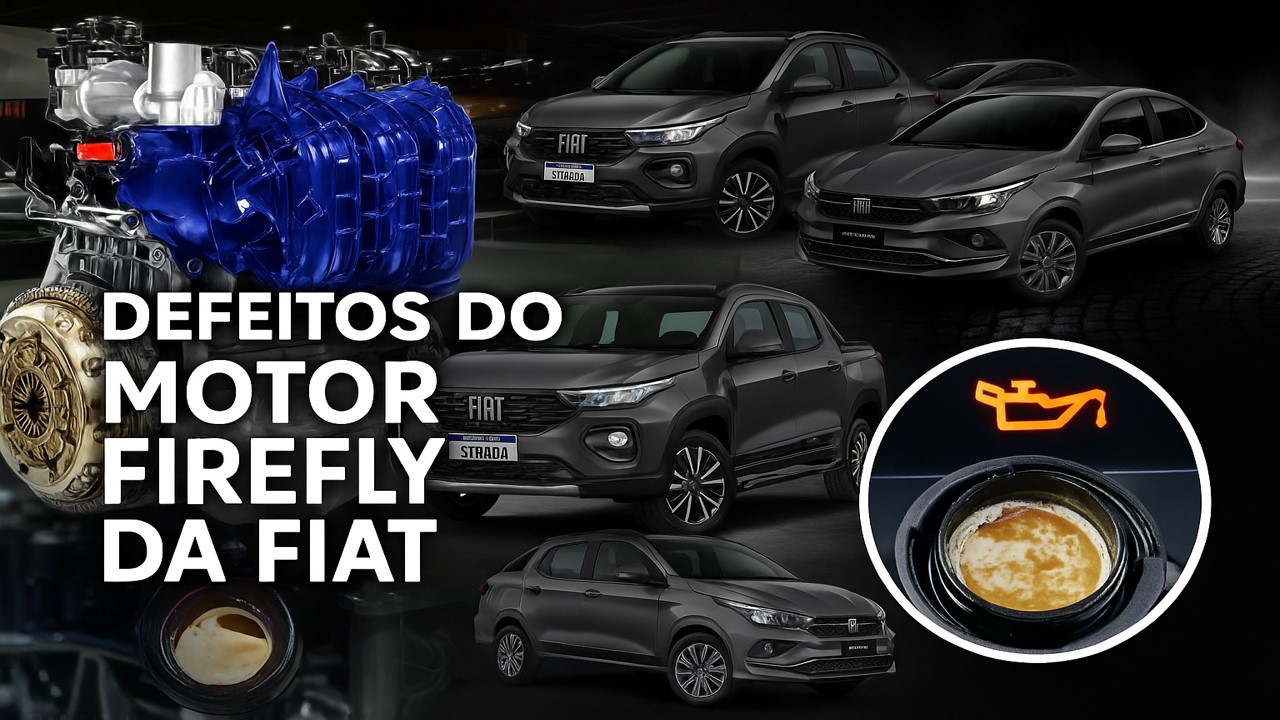
Most Common Problems of the Fiat Firefly 1.0 and 1.3 Engine: Understand the Symptoms and Learn How to Avoid Losses with Preventive Maintenance.
Imagine buying a brand-new car, modern, economical and equipped with a state-of-the-art engine — but, in a short time, starting to hear strange noises, see warning lights illuminate on the dashboard, and deal with an unexpected oil leak. Sounds exaggerated? This is exactly what many owners of vehicles with the Fiat Firefly engine have been facing.
Widely used in the Argo, Cronos, Pulse models, and even in the new Strada, the Firefly — in the 1.0 (three-cylinder) and 1.3 (four-cylinder) versions — has raised questions in workshops throughout Brazil. Is the Firefly engine reliable or just another headache waiting to happen? In this article, we will reveal the most common defects, explain the symptoms, and show what you can do to avoid serious financial losses.
1. Firefly Engine: Growing Presence in Fiat Cars
The Firefly engine is one of Fiat’s bets for its latest models, such as Argo, Cronos, Pulse, and Strada. Available in 1.0 three-cylinder and 1.3 four-cylinder versions, this engine model has gained attention for its efficiency and economy.
-
Uber Faces Shareholder Scrutiny as Board Accused of Ignoring Safety, Compliance, and Harassment Warnings Amid Over 3,500 U.S. Lawsuits

-
Ferrari’s First Electric Car Divides Fans, Priced at $630,000, Amid Concerns Over Limited Editions; Brand Clarifies It’s Not Just for Future Perks
-
BYD Dolphin Mini: The Electric Car That Defies Depreciation, Losing Only 3.58% in a Year and Becoming the Best-Selling Retail Model Under $22,000

-
Electric Car JAC E-JS4 Loses $19,000 in Value in One Year, Leading Record Depreciation of Used Cars in Brazil Due to Expensive Battery and New Models


However, even being modern and efficient, this engine has some recurring defects, noted by professionals in specialized workshops. Below, we list the main reported problems and practical tips to avoid headaches.
2. Recurring Defect: Valve Cover Diaphragm
One of the most common problems in the Firefly engine is the rupture of the valve cover diaphragm. When this happens, the car starts to burn oil and emits a sound similar to an air leak (like a hissing).
Symptoms:
- Leak noise at the engine cover;
- Excessive oil burning;
- Possible contamination of the intake system.
Solution: Replace the entire valve cover or, in some cases, just the diaphragm.
3. Oil-Water Mixture – and the Common Diagnostic Error
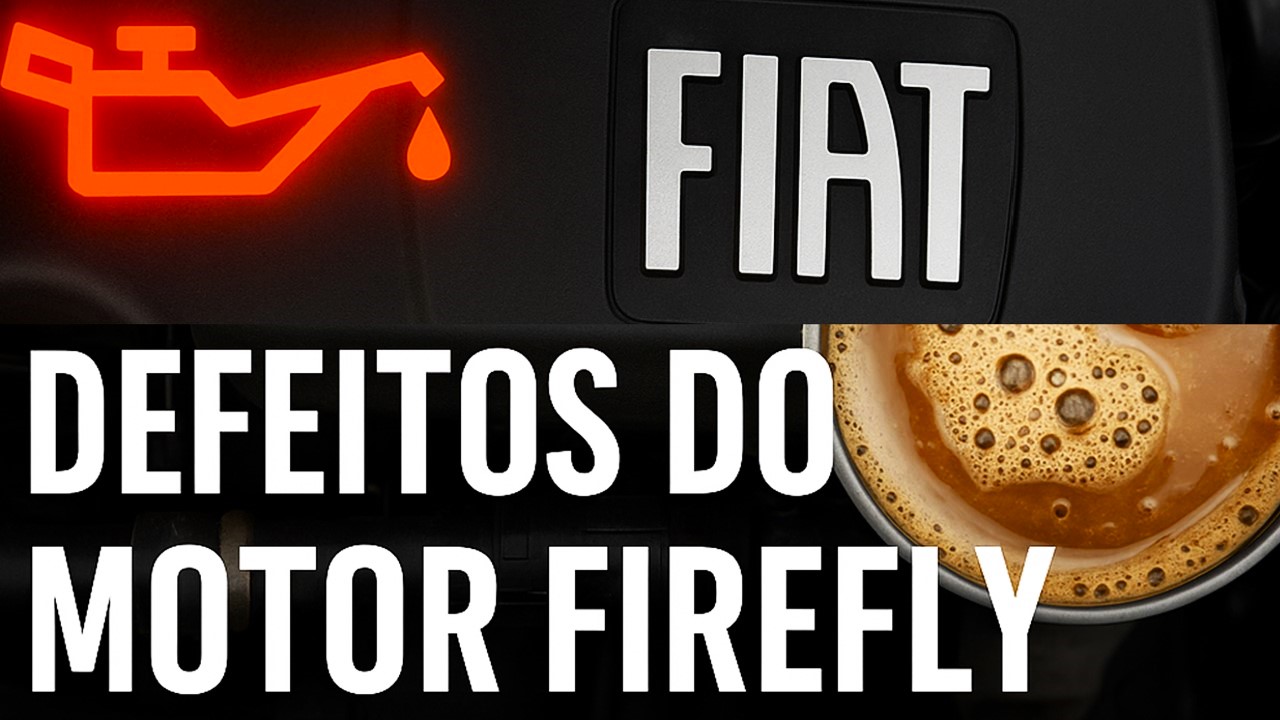
Another recurring defect is oil contamination by water, which is often mistakenly interpreted as a head issue. However, according to reports from experienced mechanics, the real culprit is usually the water pump.
Causes:
- Internal leak in the water pump;
- Structure of the pump that connects oil and cooling systems.
How to Identify:
- Oil appearing as “latte” on the dipstick;
- Oil pressure loss;
- Visible leak at an external hole in the pump.
4. Timing Chain: Premature Wear and Noises
Unlike the timing belt, the Firefly engine uses a timing chain, which theoretically has a longer lifespan. However, premature wear is becoming increasingly common.
Observed Problems:
- Metallic noise when the engine is hot;
- Stretched chain tensioner;
- Possible misalignment of the engine when rotated counterclockwise.
Probable Causes:
- Insufficient lubrication of the chain (doesn’t stay fully submerged in oil);
- Use of incorrect oil;
- Lack of preventive maintenance.
5. Oil Light On: What Could It Be?
If the oil light on the dashboard is illuminated, the reasons may go beyond the sensor.
Possible Causes:
- Broken or leaking variable valve timing pulley;
- Oil pressure sensor (little onion) with internal defect;
- Oil pump with sealing failure;
- Wear on bearings or camshaft.
Always prefer sensors from reliable brands like Intermec. A simple leak in the sensor can lead to loss of oil pressure and light up the dashboard warning.
6. How to Identify Noises in the Firefly Engine?
Knowing the source of the noise in the Firefly engine can help avoid incorrect diagnosis and unnecessary expenses.
Situation: Noise with hot engine, noise with cold engine, flickering oil light;
Probable Cause: Timing chain, variable valve timing pulley, faulty sensor, or low pressure;
7. Use and Maintenance Make All the Difference
Despite the mentioned defects, it is important to highlight that not all Firefly engines present these issues. How the car is used and maintained directly influences the engine’s lifespan.
- Use the correct lubricant oil, according to the manufacturer’s specifications;
- Respect the intervals for oil and filter changes;
- Be attentive to unusual noises and warning lights on the dashboard;
- Conduct preventive maintenance with qualified professionals.
Defects Exist, but They Can Be Prevented
The Fiat Firefly engine, in the 1.0 three-cylinder and 1.3 four-cylinder versions, is modern and efficient, but has important points of attention, especially concerning lubrication and internal components.
The recommendation from experts is clear: proper maintenance and conscious use are the secrets to avoiding losses and increasing the engine’s durability. And you, do you already follow these recommendations?





-

-

-

-

54 people reacted to this.