





 Portuguese
  English
  Spanish
  3 min of reading


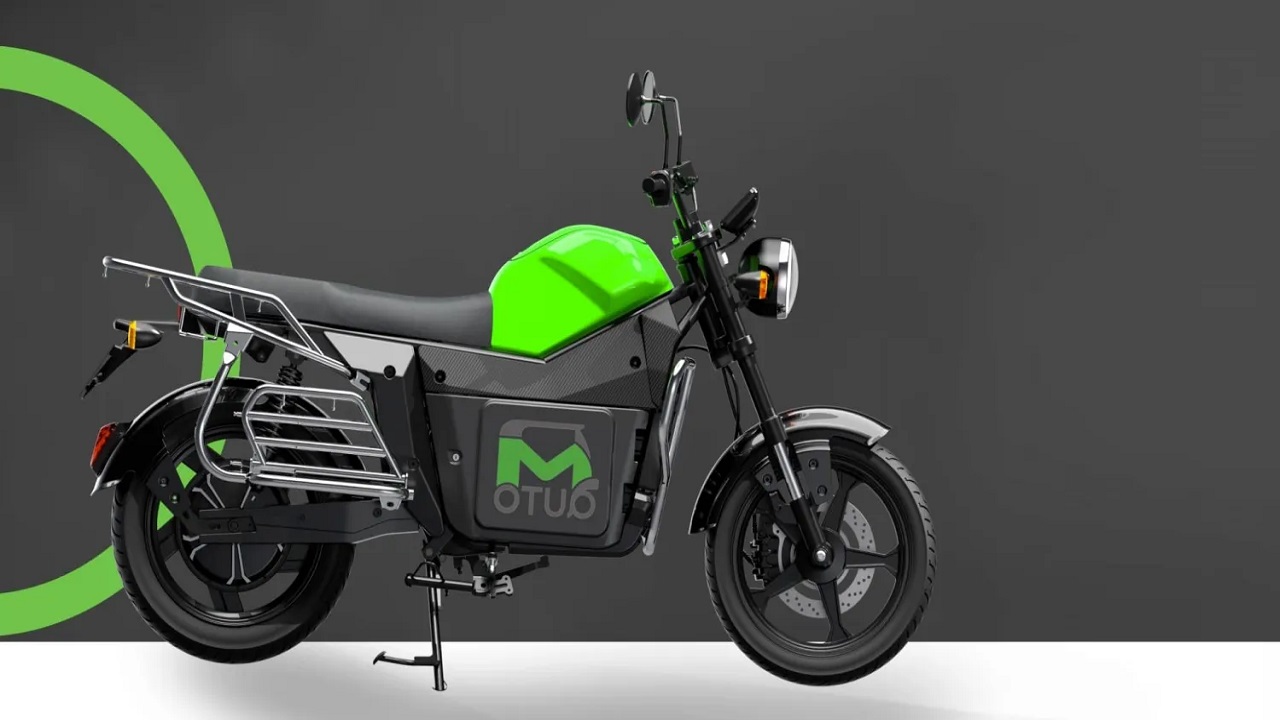
A Startup From Africa Is Offering a Free Electric Motorcycle to Every Moto-Taxi Driver in Uganda. A Total of 140,000 Electric Motorcycles Will Be Provided with a Focus on Sustainable Mobility in the Country.
At the beginning of 2023, Uganda announced it would seek to replace all its combustion-engine motorcycles with electric motorcycles, offering models for free to riders. Now, we will learn how the country plans to fulfill this plan, and it is linked to a little-known battery swapping and sustainable mobility startup called Spiro.
Moto-Taxi Drivers Will Receive a Free Electric Motorcycle
Formerly known as MAUTO, Spiro has already put 4,500 sustainable vehicles on the streets of Rwanda, Togo, and Benin. Now, the startup plans to significantly scale operations, donating 140,000 electric motorcycles in Uganda over the next 5 years. Regarding technology, Acer is also investing in technology due to a data breach affecting its customers.
The electric vehicles will be delivered for free with Spiro expecting to generate revenue from the charging and battery swapping side of its operations. The new vehicles are focused on the country’s moto-taxi operators.
-
Yamaha sells the FZ-S FI V4 for around $6,200 in direct conversion, cheaper than the Yamaha Fazer FZ15, Honda CG 160 Titan, and Bajaj Dominar 160 in Brazil, with a 149 cc engine, 13-liter tank, ABS, connectivity, and traction control; the urban street bike shows a Yamaha equipped beyond its class in India.

-
Volkswagen breaks its own rule in China and launches the ID. Era 5S plug-in hybrid with a 2,000 km range to shake up the electric market.

-
Toyota launches Rumion cheaper than Chevrolet Spin, Citroën C3 Aircross, Honda City, Nissan Versa, and Toyota Corolla Cross in Brazil, with 7 seats, 1.5 K-Series engine, 6-speed automatic transmission, and fuel consumption of up to 26.11 km/kg; the family minivan showcases an affordable Toyota that Brazilians don’t have in India.
-
Onix Plus, Cobalt, and even Cruze: Chevrolet sedans dominate the used car market with trunks of up to 500 liters, economical engines, affordable maintenance, and versions that have become favorites among families and app drivers in Brazil.

The motorcycles, especially the taxi motorcycles known as bodas-bodas in Uganda, have become a popular form of transportation due to their affordability, adaptability, and convenience.
In the face of heavily congested roads and unreliable public transport systems, two-wheeled models provide a more flexible and quicker alternative for navigating rural and urban areas. Additionally, the lower purchasing and maintenance costs compared to cars have made this vehicle a more affordable option for many Ugandans.
The popularity of motorcycles has also fostered a thriving boda-boda industry, generating numerous jobs for mechanics, riders, and related businesses, significantly contributing to the local economy and social structure in Uganda. However, with almost all these motorcycles using combustion engines, the high demand has also contributed to the country’s pollutant emissions and decline in air quality.
Spiro’s Electric Bikes Feature Removable Batteries
After securing US$ 50 million in funding from the African Transformation and Industrialization Fund (ATIF), Spiro plans to provide not only a locally manufactured free electric motorcycle but also 3,000 battery swapping stations, significantly contributing to sustainable mobility. Instead of waiting hours for the vehicle battery to charge completely, Spiro’s models come with removable batteries.
The components are not as advanced as those from Gogoro or other leading companies in this sector, which can be swapped in seconds, as they rely on manual exchanges that take around three minutes. This still allows moto-taxi operators to get back on the road quickly, something essential as they work long shifts throughout the country. The company currently operates 250 battery swapping stations, responsible for over 130,000 swaps in the countries where it has entered.
The 4,500 sustainable motorcycles that use these swapping stations have already traveled over 22 million km to date. With a focus on sustainable mobility, the startup plans to set up an electric vehicle assembly factory that could generate 9,000 jobs in the industry.
Technical Specifications of the Electric Motorcycle
The startup’s models feature 6.5 kW motors capable of reaching speeds of 80 km/h. The range of 90 km per charge is supplemented by the removable batteries to keep the vehicles on the road throughout the day.
According to Spiro’s CEO and partner at the African Transformation and Industrialization Fund (ATIF), Shogun Adjadi Bakari, the company’s ability to deploy over 4,500 electric motorcycles in less than a year of operation shows that electric motorcycles are the future of sustainable mobility in Africa.


-

-

2 people reacted to this.