Portuguese
  Spanish


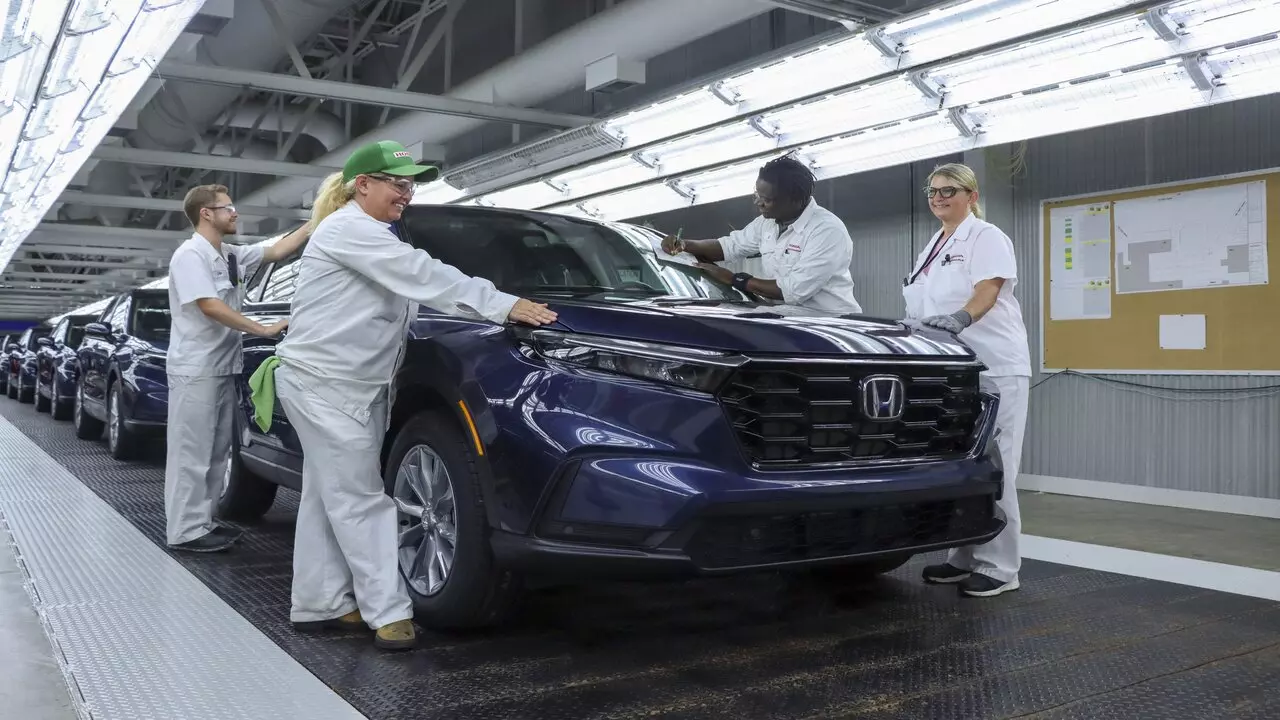

The Goal of the Company Is to Boost the Decarbonization of the Transportation Sector in the International Market. The New Electric Vehicle Production Factory of Honda in the United States Guarantees a Good Market Strategy.
The Japanese automaker Honda has an ambitious market plan for the global transportation sector. It announced a new factory for electric vehicle production in the United States. The goal: to invest in the decarbonization of transportation, which is taking up an increasingly larger space in the global scenario. Production is expected to begin as early as 2026.
Honda Prepares to Invest in the Electric Vehicle Market with New Production Factory in the USA
Honda, one of the world’s leading automakers, recently announced that it will build a new factory in the United States dedicated exclusively to electric vehicle production.
The facility will be located in Ohio and is expected to be completed by 2026. Honda’s decision to invest in a new factory for electric vehicles in the USA reflects the growing importance of this market for the global automotive industry.
-
Suzuki Jimny Nomade 5-Door: A Rugged Family SUV with 1.5L Engine and 4WD, Priced Around $18,000 in Brazil

-
Suzuki XL6: Affordable Premium Minivan in India Offers Seating for Six, Hybrid Engine, and Impressive Fuel Efficiency

-
Banco do Brasil and Uber Launch Cashback Program Offering Up to 3.5 Loan Installments Back, Drivers Gain Access to New Cars Worth Up to $30,000 Through Move Brasil Initiative

-
Looking for a Car for Dirt Roads? Fiat Uno, Strada, and Volkswagen Gol Offer Durability and Affordability




With the popularization of electric cars, many countries and cities have adopted public policies to encourage the use of these vehicles, which has stimulated demand and created new business opportunities.
Additionally, Honda’s new factory in the USA is also aligned with the company’s sustainability goals, which aim to increase the share of electric vehicles in its global fleet to two-thirds by 2030.
With local production of electric models, Honda will be able to reduce import costs and offer more competitive prices in the American market.
Despite the investment in a new factory for electric vehicles, Honda will not completely abandon the production of combustion engine models.
According to the company, gasoline and diesel engines will still play an important role in its business strategy, especially in developing countries where charging infrastructure for electric cars is still limited.
Company Keeps an Eye on the Current Transportation Market Amid Investments in the New Electric Vehicle Factory
Honda is aware of the changes in the market and has been seeking to adapt to the new demands of consumers. In addition to investing in electric vehicles, the company has also been exploring other alternative technologies, such as fuel cells and plug-in hybrids.
With this strategy, Honda aims to cater to different customer profiles and maintain its prominent position in the automotive market.
The production of electric vehicles in a new factory in the USA is just one of the steps in this direction, but it will surely be an important milestone in the history of the company and the automotive industry as a whole.
Honda is investing in a new factory in the USA for electric vehicle production, reflecting the growing importance of this market for the global automotive industry.
With the facility, the company will be able to reduce import costs and offer more competitive prices in the American market, as well as meet sustainability goals and expand its product offerings.
However, Honda also maintains production of vehicles with combustion engines, recognizing the importance of these models in developing countries and exploring other alternative technologies. With this strategy alongside the electric vehicle factory, the company plans to address different customer profiles and maintain its prominent position in the automotive market.