Portuguese
  Spanish


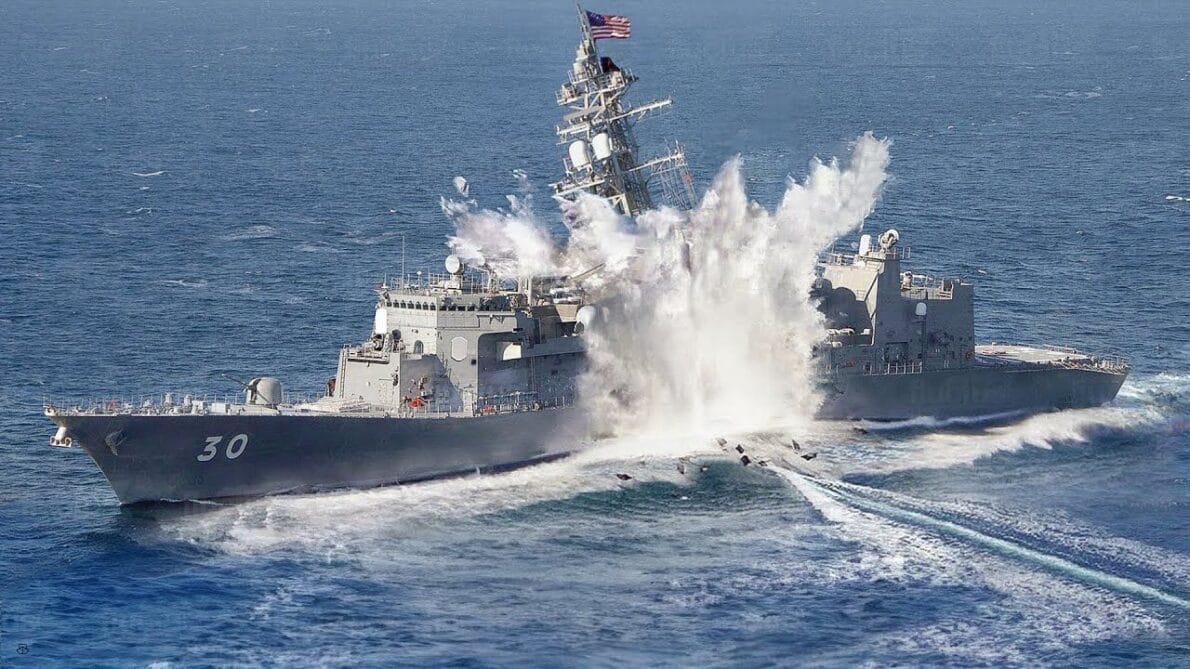


The United States Has a Very Strategic Reason to Launch Powerful Missiles at Its Own Ships. Although It Seems Contradictory, This Practice Is Part of Military Exercises Known as SINKEX (Sinking Exercises). But Why Does This Happen?
Container ships and other types of military vessels face many challenges during their operations. When a ship becomes obsolete, damaged, or impossible to repair, it is decommissioned in a ceremony. These ships may end up in a “ship cemetery,” where they are dismantled for parts reuse. However, some of them have a different fate: they are used as targets in sinking exercises in the United States.
In exercises like RIMPAC, held every two years, ships from various allied nations in the Pacific come together to test their weapons and tactics. During these exercises, a decommissioned ship is sunk using a variety of weapons, such as anti-ship missiles, torpedoes, and bombs. The goal is to evaluate the effectiveness of the weapons and tactics in a realistic scenario.
A Notable Example Is the USS Bonhomme Richard of the United States, Which Suffered Severe Damage in a Fire

Instead of being repaired, it was decided that the ship would be decommissioned and possibly used in future exercises. Other ships that have undergone SINKEX exercises include the tank transporter USS Fresno, which was sunk with the help of a Harpoon missile launched from a submarine.
-
They exchanged the idea of a large house for a 35 m² warehouse, spent US$ 12,000 on the structure, and created a tiny house in Colorado with space to live and work.

-
While modern cities rely on pumps and electricity, in Iran, ancient tunnels carried water through the desert using only slope and gravity.
-
Instead of sending families far from the city, a project in Chile intentionally created incomplete houses on expensive urban land and left technical space for each to grow.
-
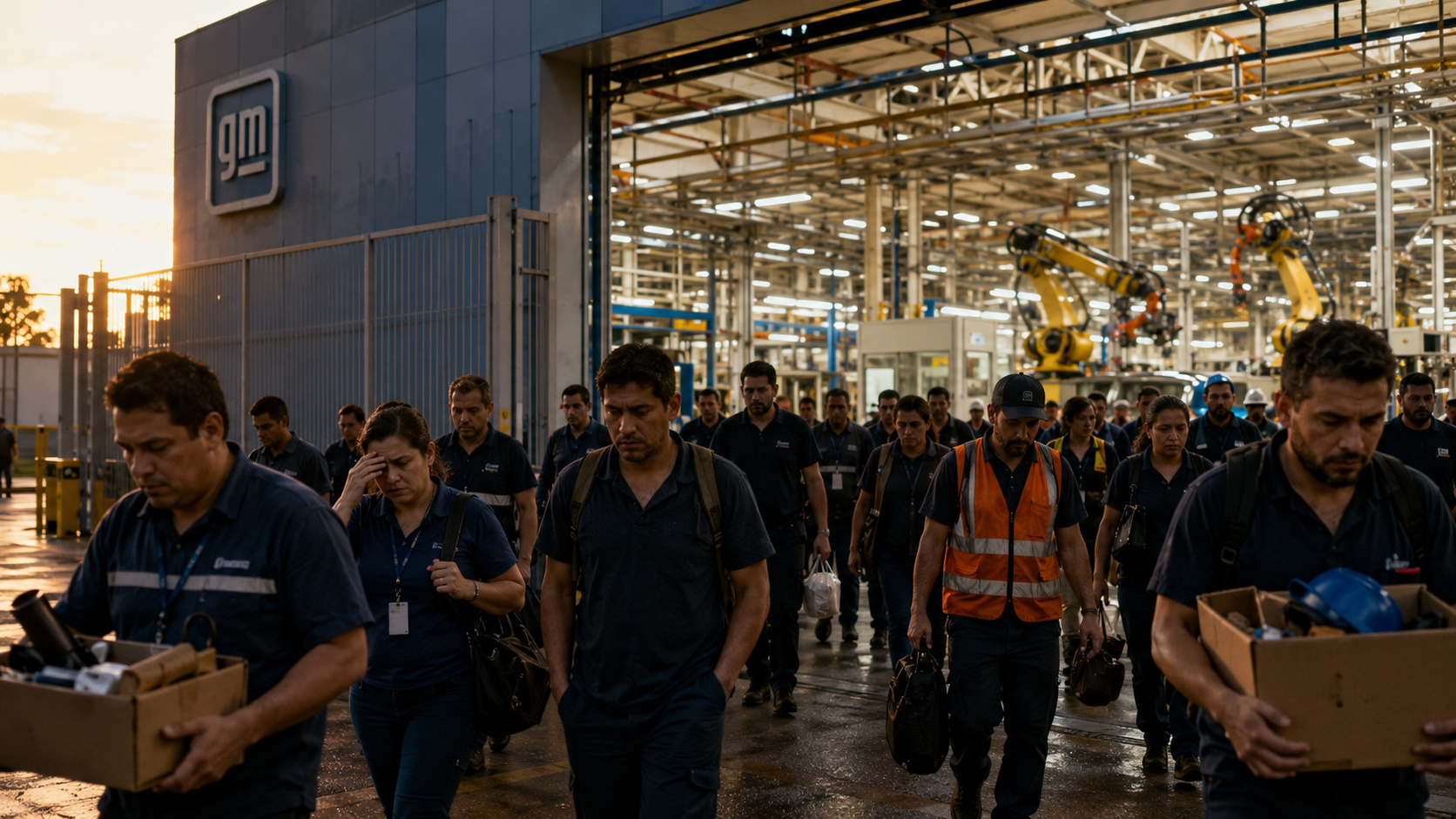
General Motors Replaces Over a Thousand Workers with 50 Cobots at Electric Vehicle Plant, UAW Union Criticizes Move Amid Industry’s Automation Push


Why Conduct These Exercises?
SINKEX exercises allow the U.S. military and its allies to test the effectiveness of their weapons and tactics in a realistic scenario, without risk to human life. Crews can train under conditions that simulate real combat, increasing their readiness and effectiveness in conflict situations.
By observing how a ship behaves when hit by different weapons, engineers can improve the design and construction of future ships. Ships that cannot be repaired or upgraded are eliminated in a way that still contributes to the safety and training of the armed forces.
The United States Follows Strict Environmental Standards During These Exercises
Before sinking, the ships are carefully cleaned to remove hazardous substances, such as oil, asbestos, and PCBs. This ensures that the environmental impact is minimized. Although it seems contradictory, launching powerful missiles at their own ships is an essential practice for the United States.
These exercises ensure that weapons and tactics are always up-to-date and effective while providing a safe and controlled way to dispose of obsolete ships. In this way, the United States maintains its military readiness and contributes to global security.