






 Portuguese
  Spanish


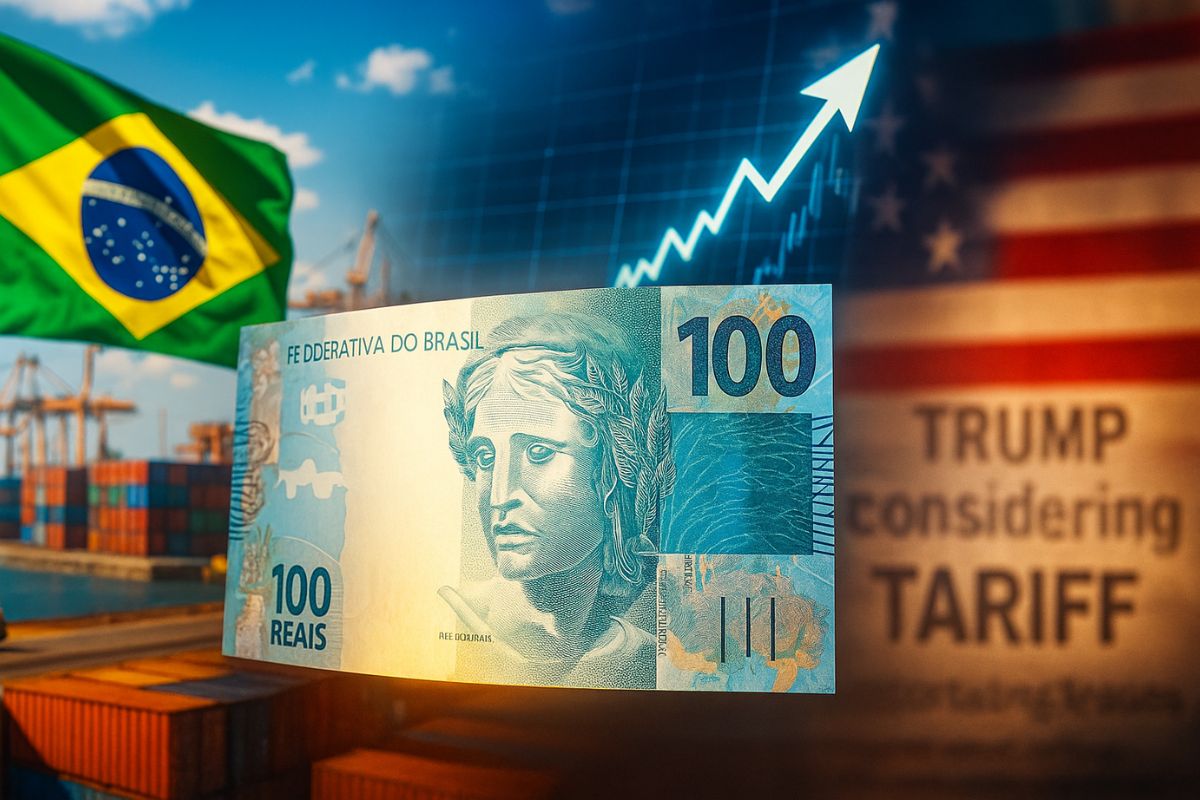


Real Is The Currency That Appreciated The Most In The Last Month, Even With Tariffs. After The Announcement Of Tariffs By Donald Trump, The Brazilian Currency Surprises And Leads The Global Appreciation Ranking
Even under the impact of the tariff announced by Donald Trump on July 9 and in effect since last week, the real is the currency that appreciated the most in the world over the last 30 days. The performance surprised analysts, considering that Brazil became the most tariffed country on the planet during this period.
According to data from the Central Bank, from July 13 to August 13, the real appreciated 3.7% against the dollar, outperforming currencies like the South African rand (+1.8%), the Hungarian forint (+1.3%), and the Chilean peso (+1.2%). Other currencies that also had a positive performance, but with modest gains, include the British pound (+0.5%), the Mexican peso (+0.8%), the Polish zloty (+0.1%), and the euro (+0.1%).
How The Real Maintained Its Leadership
The appreciation occurs in a scenario of strong external pressure, caused by the increase of tariffs on Brazilian products in the North American market. Analysts point out that factors like foreign investment flows, rising commodity prices exported by Brazil, and the Central Bank’s monetary policy helped offset the negative effect of trade barriers.
-
China Tightens Control on Antimony, Driving Prices from $22,000 to Nearly $40,000 per Ton as U.S. Rushes to Bolster Strategic Reserves

-
BlackRock Freezes $1 Billion in Brazilian Renewable Energy, Impacting 1.5 GW of Planned Projects and Highlighting Investor Concerns Over Infrastructure Bottlenecks Cutting Up to 25% of Solar and Wind Generation
-
Labor Shortage: Despite Record Average Salary, 90% of Brazilian Bar and Restaurant Owners Struggle to Hire Key Roles Like Sushi Chefs and Head Cooks

-
Supermarket Deli Counter Attendants in Brazil Could Earn Over $2,100 Monthly by 2026, Plus Benefits Package


In the shorter timeframe of the last five days, the real also leads, showing consistency in the appreciation movement.
Comparison With Other Economies
While the real advanced, several currencies lost value. The Argentine peso fell 3%, and the Indian rupee declined 2% in the same period, reflecting internal uncertainties and instability in emerging markets. Brazil’s positive performance indicates exchange rate resilience, even in the face of external shocks.
Impacts On Daily Life
The appreciation of the real tends to reduce import costs and ease inflationary pressures related to the exchange rate. However, experts warn that the movement may be temporary, as the full impact of the tariff on exports will still be felt over the coming months.
And you, do you believe that the appreciation of the real is sustainable or do you think it is just a temporary movement? What should be the next step for the Brazilian economy in light of the tariffs? Leave your opinion in the comments.


